
Family firm that built the Grade II-listed Globe Works, clashed with unions, and received an explosive warning
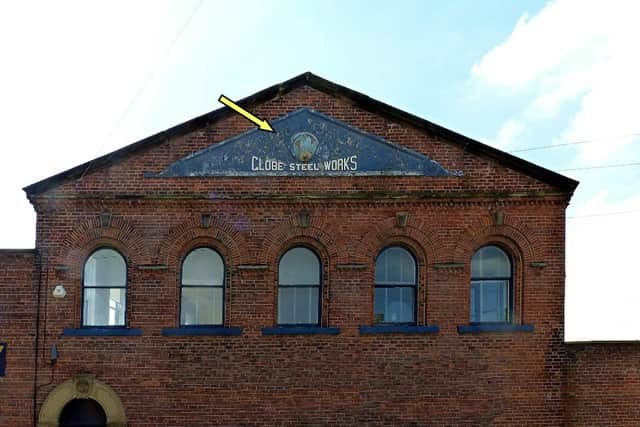
The original Globe Works, a Grade II-listed building, underwent restoration in the 1980s and 1990s
Ibbotson Brothers and Co. was a leading steel and edge tool manufacturer established in 1809 in Sheffield and known for its early industrial innovation.

Initially founded as Ibbotsons & Roebuck by Jonathan Roebuck and brothers Henry and William Ibbotson, the company set up operations at Bower Spring and produced steel, saws, scythes, and stove grates.
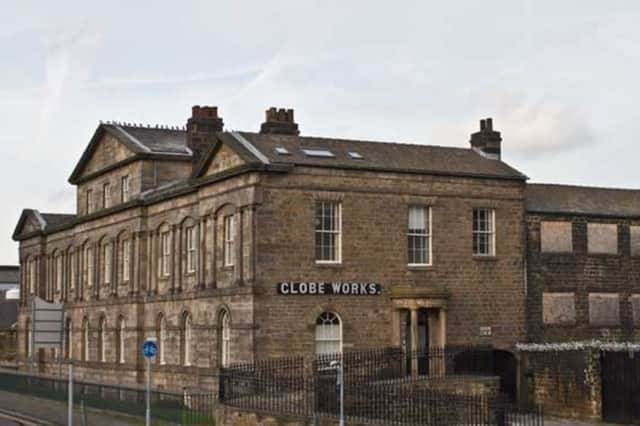
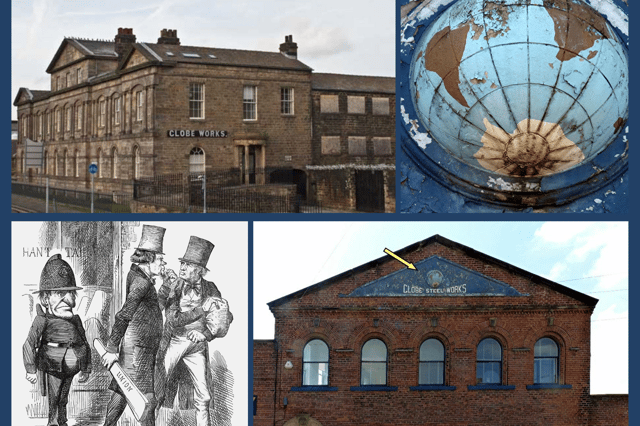
The firm capitalised on the American demand for crucible steel and tools during the 1820s, which led to the construction of Globe Works in 1824, one of the first large-scale steel manufacturing centres in the world.
The main Globe Works complex, completed in 1825, featured classical stone façades and served both as a factory and residence for the owners.
In 1827, Roebuck left the firm, leaving the Ibbotson brothers to continue as Ibbotson Bros.
Henry Ibbotson moved to New York to manage their Pearl Street office, but the partnership with William formally ended in 1837, with Henry settling in the United States until his death in 1849 at the age of 52.
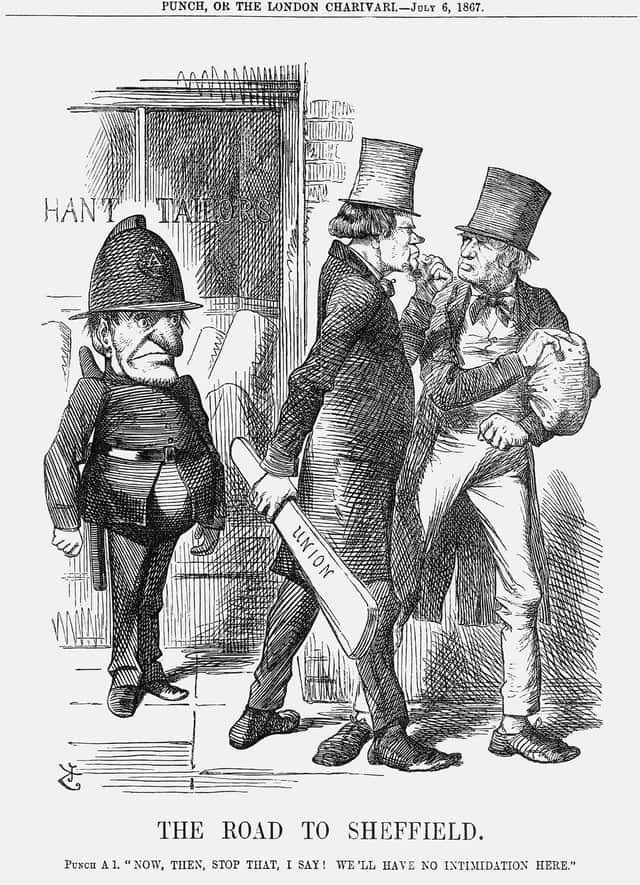
William Ibbotson managed Globe Works in Sheffield, developing a reputation for aggressive business practices and opposition to local trade unions, particularly during the economic depression of the 1840s.
His strategies of market undercutting caused unease and wage reductions in the local industry, culminating in the 1843 dismissal of several employees for ‘loose habits’.
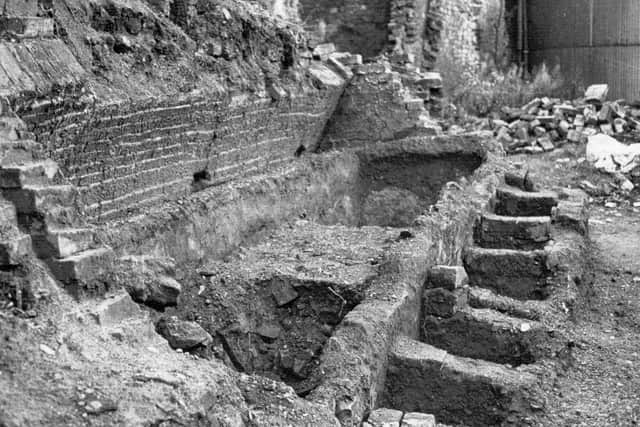
On September 30, 1843, two members of the Saw Grinders Union detonated a gunpowder canister at Globe Works, destroying a warehouse in protest at Ibbotson’s labour policies, marking an early episode of the Sheffield Outrages.
🎞️ Did you enjoy this fond look back to the Sheffield in the past? Well, why don't you sign up to our free retro newsletter.
Increasing competition in American markets and local unrest led to the bankruptcy of Ibbotson Bros in 1845, with its stock and machinery auctioned.
The business survived by restructuring, refocusing on steel and edge tools, and discontinuing table knife production in 1849.
Success followed with a Prize Medal at the 1851 Great Exhibition in London, affirming the firm’s quality and innovation.
After William Ibbotson’s death in 1852, the business passed to his widow Mary and their sons William Frederick and Alfred Buckingham Ibbotson.
In 1862, the company left Globe Works for new premises at Russell Street and Alma Street, establishing Globe Steel Works, which concentrated on steel production and railway spring making.
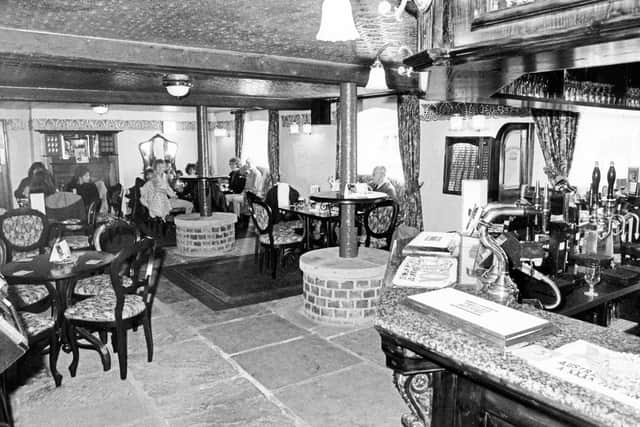
The Great Sheffield Flood in 1864 caused only minor damage to Globe Steel Works, which was briefly used as a morgue for flood victims.
Alfred B. Ibbotson took charge after William F. Ibbotson’s death in 1864, and in 1869, he and Samuel Fisher Ibbotson patented an improved railway rail joint, which proved lucrative.
By 1901, the company expanded to become a major manufacturer of railway buffers, employing 1,000 workers by 1914.
Later leadership under Frederick John Talbot, William Ibbotson’s grandson, saw further development in buffers and springs.
In 1939, Jonas Woodhead & Sons Ltd acquired the firm, which retained the Ibbotson name until the 1970s, when it became part of Woodhead Components Ltd.
The original Globe Works, a Grade II-listed building, underwent restoration in the 1980s and 1990s and has since been converted into a modern business centre, preserving its industrial heritage for the 21st century.