
Celebrating centenary of six years that laid strong foundations for the brilliant city of Sheffield
A handful of Sheffielders changed the city beyond recognition for its people - and I believe there are lessons which would be good for modern governments to heed
I was recently compiling a list of names of the great and the good in Sheffield and I realised there was one very significant name missing; Alderman Ernest George Rowlinson, J.P.

Who you may ask was he and what did he do? Well, Sheffield would not be the landmark city it is today had it not been for Rowlinson and his Labour councillors who rescued the city from the depredations of the Anti-Labour Party Council up until 1926.
On November 1, 100 years ago, Sheffield became the first great Municipal Borough in the provinces to return a Labour majority – and has never looked back. In 1932 a manifesto was produced, Six Years of Labour Rule 1926-1932, outlining their successes. It was called Municipal Socialism.
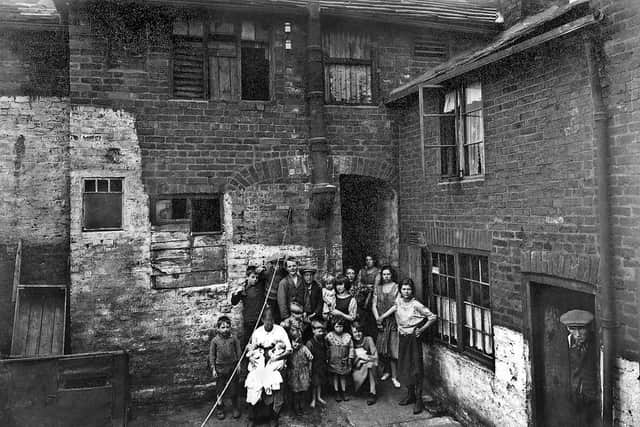
The Anti-Labour Party coalition of Liberals and Conservatives had ruined the city.
To quote from the 2023 republication of Six Years of Labour Rule by Principle 5: It is difficult to comprehend the sheer amount of work undertaken by the council. Slums were demolished. New (council) houses were built. New maternity and child welfare facilities led to a twelve-fold increase in attendance. New markets, new roads, tram routes extended, new swimming pools, libraries, new schools, new workshops for the blind. A new City Hall, of which, more later.
One example could be found on the Manor estate which had provided only two wooden huts for 3,000 pupils. The Labour Group increased primary school places by 1100, and secondary education increased by 80 per cent.
Their finance policies, which echoed 'anything we can actually do, we can afford', were aimed at easing the burden for the poor by getting the best value. These should be hearkened to by today’s government.
An example is their land purchase which, by using a 2d rate for land purchase, allowed for a prompt and economic purchase of land, thus not incurring the debt of a long-term loan. Over the next four years, property was purchased for £70,000 instead of £210,000. In today’s terms the saving would be about £2.5 million, on interest alone. Let the PFI adherents today pay heed.
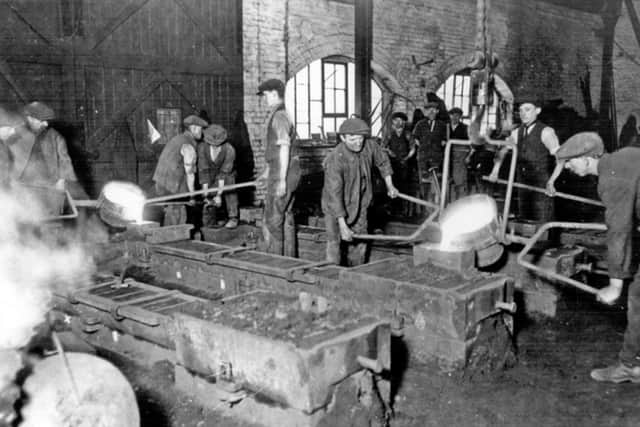
These initiatives were not luxuries. They were essentials for a decent quality of life denied the citizens of Sheffield by the coalition which, in government, also treated the returning troops from World War 1 with utter disregard. It was the beginning of the longest and most intense labour market crisis in the nation's modern industrial history.
There are many, many examples of the astuteness of this council, but there is one that holds a lesson for those today who still believe in outsourcing and PFI.
A Direct Labour Department was set up as a corrective to the hopelessly inefficient methods deployed by the Coalition/Anti-Labour Council. The stimulus was the discovery that the council had been spending £48,000 (£3 million) on corrective measures of badly built housing annually.
The council set up a Purchase of Lands Fund, which allowed prompt and economic buying of land instead of repaying the debt over decades. This saved over £11 million in today’s terms and bought estates for the citizens such as Beauchief Abbey and golf course, and part of Ecclesall Woods.
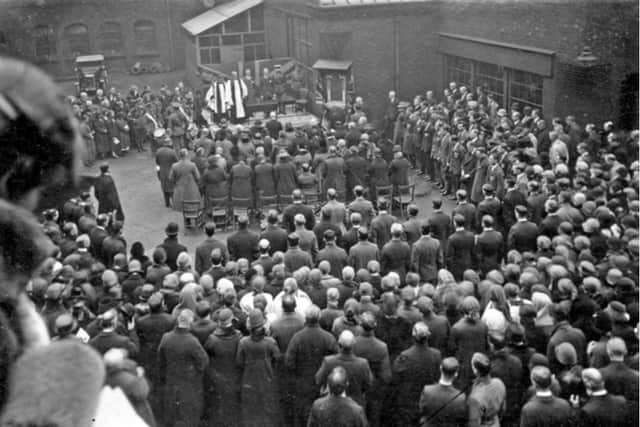
Useful work for the unemployed was provided whereby housing schemes increased, open air baths, new markets, libraries, schools and houses were set up. Over five years it was estimated that nearly eleven million days of productive work had been provided, which is also eleven million days of positive work experience.
However, there were two buildings which could be considered luxuries by Anti-Labour, the City Hall and the public Library. These belong to the neglected cultural realm. Libraries were seen as Universities of the people and although the Central Library and Arts Gallery was the centre piece special libraries were set up across the city. By 1932 issues had increased by nearly 2 million, even before the Central Library had been completed.
The funding comprised £30,000 by the A C Graves and the remaining £110,000 by municipal funding with direct labour, i.e. no private contractors.
The City Hall was much more expensive, costing £443,300 and built by a local contractor with local labour – 120,000 man days of work for those would have otherwise been on the dole. Yet another example of the power of direct labour.
I wish we could provide this today for our NEETs!
But there is much more that this brilliant council did, and it can be accessed in the 2023 edition of the Manifesto which includes the tribute that Lord David Blunkett, then Leader of Sheffield Council, wrote in 1982 praising the 1932 “pioneers who laid the foundations for (this) magnificent socialist city”.
David Blunkett was cut from the same cloth as George Rowlinson. He called for us to throw back the forces of anti-Labour which were already stirring as Thatcher tightened her neoliberal grip on the country.
He was not swayed by the fads of outsourcing and private partnerships. He also warned us to learn from the failures of top-down approaches, e.g. the Regional Development Agencies, and to encourage citizens to build together from the grassroots up. George Rowlinson’s legacy lives on.