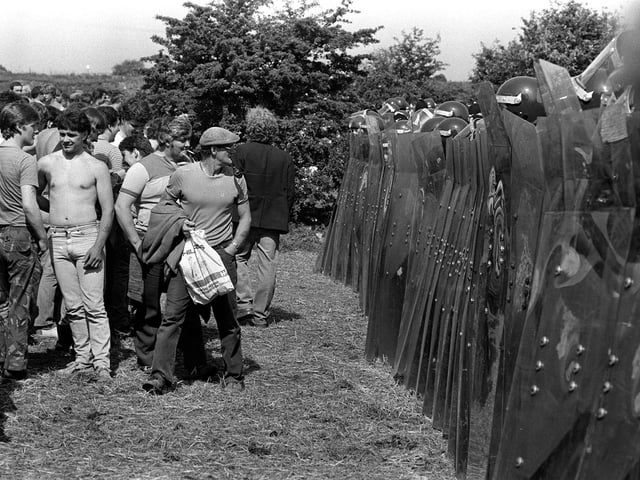
As we enter the 42nd year since the bloodiest event of the 1980s miners’ strike, campaigners are continuing their quest for answers.
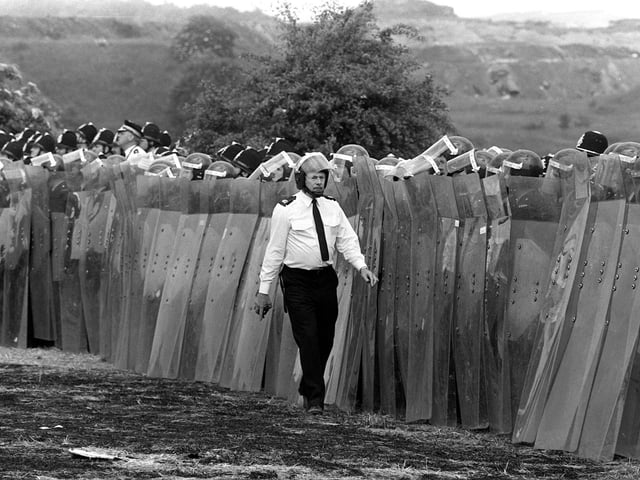
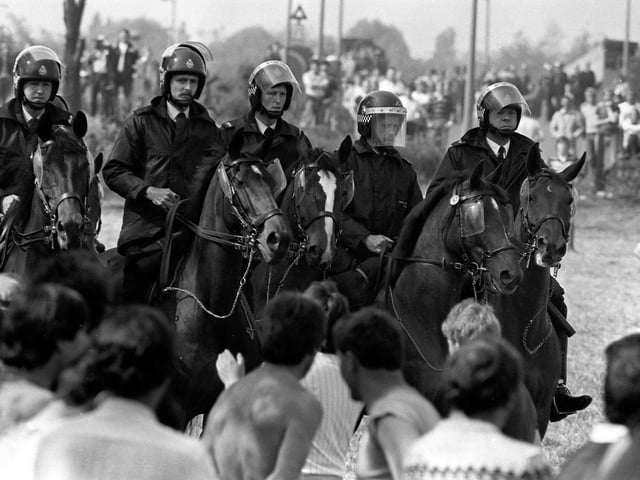
On June 18, 1984, striking miners and police clashed at the site of the Orgreave coking plant, located between Handsworth and Catcliffe.
On the day, an estimated 6,000 police officers from a number of forces attended the site where it was known that mass picketing was planned to take place.
At least 123 people were injured and 95 picketers were arrested.
Of those, 40 were charged with unlawful assembly, while 55 were charged with riot - an offence that could carry a life sentence at the time.
All charges were eventually dropped, as police evidence was deemed unreliable.
Yet, despite public outcry and ongoing work by the Orgreave Truth and Justice Campaign, it was only this year than an official inquiry into the events of that day were launched.
The inquiry will act independently of the government, but is expected to provide a report to the Home Office by spring 2027, with the final findings to be released in spring 2028.
Back when the inquiry was launched in March, chair Pete Wilcox told The Star: “The events on June 18, 1984, had a very severe impact, not just on individuals but in communities - not just across South Yorkshire, but beyond in former mining communities.
“I think for trust to be restored, truth has to be told.
“I think one of the things that’s been so corrosive of trust over the past 40 years is the sense in those communities that the truth has not been told, that their story has not been heard.
“My great hope for this inquiry is that it will contribute to the resolution of some unresolved trauma.”
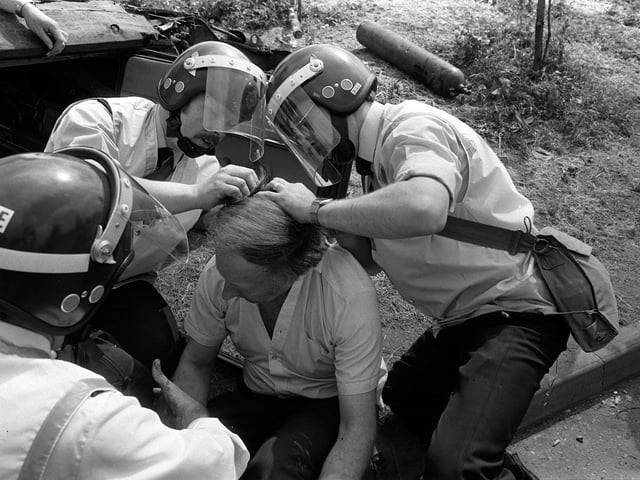
3. Arthur Scargill
Arthur Scargill receives treatment from ambulancemen after sustaining injuries at Orgreave. Photo: Dennis Lound