
"High streets were loud, crowded and alive - now in Sheffield there is space where there used to be queues"
Everyone in Sheffield has an opinion on the city centre but will the younger generation ever want to shop on a high street? Here’s how Sheffield student Betty Graham sees it.
What were once busy high streets, full of life, are now soulless places. In Sheffield this downturn feels particularly visible.
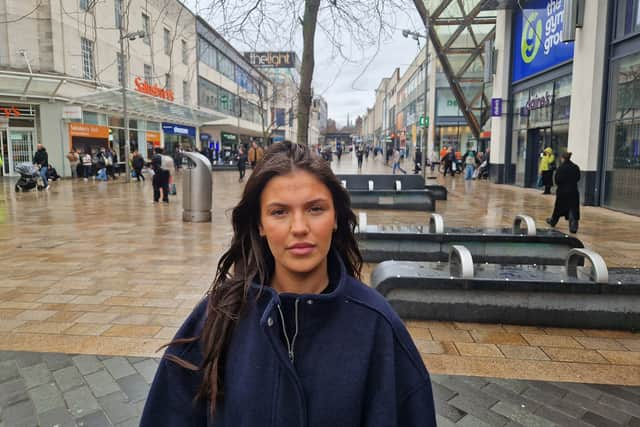

Walking down The Moor and Fargate, the signs of decline are everywhere, with ‘to let’ signs and shops and businesses closing down.
High streets as I remember them were loud, crowded and alive. Now in Sheffield's city centre there is space where there used to be queues.
This then begs the question - why have the high streets ‘died’?
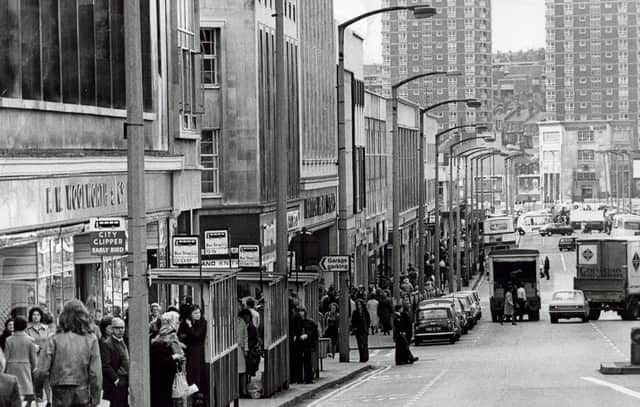
People in Sheffield feel the decline is more pronounced than in other cities because the high street was once such a powerful symbol of local identity. Shops like Debenhams, Woolworths and BHS weren't just stores but landmarks.
Generations have memories of days out and presents bought for loved ones in these stores. Their vanishing has created physical and emotional gaps throughout Sheffield.
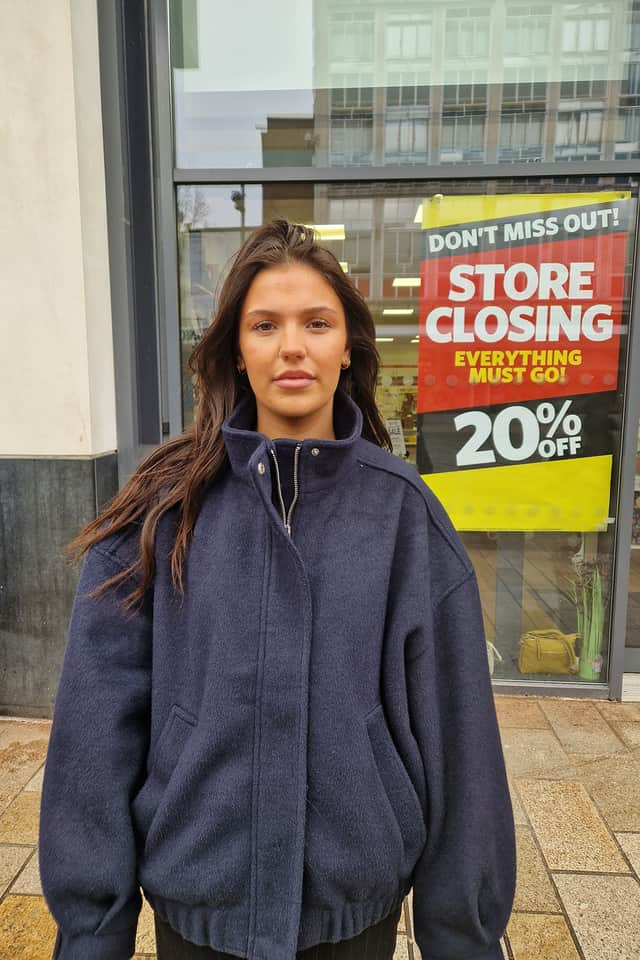
More recently, the closure of the city’s branches of chains like John Lewis has also added to the feeling that something is slipping away. Empty units on Fargate now stand where flagship stores once attracted steady footfall.
I believe that much of the blame lies within online shopping.

Convenience is a big factor, particularly in today’s climate as a result of society having less time and money. For Sheffield residents, especially those living further out in areas like Hillsborough or Intake, home delivery can outweigh the effort of travelling into town, paying for parking and navigating reduced public transport services.
In this regard, high streets have not necessarily failed their communities - they have, in many cases, been priced out. Growing rents and business rates have pushed independent traders off Sheffield’s high streets. While big chains struggle, it is always the case that smaller businesses struggle more.
It is ironic that Sheffield has such a strong independent spirit, you can see this in places like Kelham Island or the Devonshire Quarter. But maintaining a unit in the central shopping district can be financially unsustainable.
When rents rise, businesses shut down. However people’s need for goods doesn’t vanish, it just moves online or somewhere else.
Yet another key part of the problem is the appeal of Meadowhall. With free parking, extended opening hours and a concentration of big brands under one roof, it is dragging foot traffic away from the city centre.
Let’s compare it to Leeds, where I grew up. It has the Trinity Centre and a pedestrianised core, which feels consistently busy. Next to that, Sheffield’s centre can appear fragmented and quieter. Leeds has combined retail, hospitality and corporate investment in a manner that keeps energy levels up throughout the day. Sheffield, on the other hand, often feels like a place people pass through rather than stay in. That difference makes Sheffield’s decline feel more acute.

There are also changes in consumer behaviour. Social media pushes trends based on speed, fast fashion and constant renewal. Shoppers’ loyalty to local stores has weakened. Where previous generations may have preferred a family-owned store, today’s consumers are more likely to be affected by online reviews, influencers and rapid delivery.
It is a vicious cycle - fewer people shopping on Sheffield’s high street means closures leading to the area feeling less appealing, which further reduces footfall. This is worrying in particular because high streets have never been merely retail. In Sheffield, they were social gathering places. This is where people would greet familiar shopkeepers, youngsters would gather in town after school, young people got their first Saturday jobs at places like WHSmith or HMV.
The high street provided informal community - a shared space that was not tied to membership fees or subscriptions. When a high street declines, a city loses not just shops, but character and a sense of belonging.
Some argue that the high street is not dying, but evolving.
In Sheffield, betting shops, chain coffee outlets, nail salons and gyms have replaced beloved shops. Several lovely new cafés and street food venues have breathed life into some parts of the area. The Moor Market, for example, still holds steady trade and reflects Sheffield’s diverse community.
Change is inevitable but evolution should not mean exclusion.
A high street centred on services takes a level of disposable income that not everyone can afford. We can’t all splash out on boutique coffee, beauty treatments or gym memberships. The high street that focuses exclusively on spending beyond essentials can risk alienating a lot of the population.
It could be argued that Sheffield is regenerating. The Heart of the City development is a promise of investment and modernisation. Regeneration, though, does not necessarily mean the restoration of community. Glass fronted offices and luxury apartments might enhance looks but don’t necessarily replicate the accessible, multi generational space the old high street once offered.
If we care about our towns and high streets, we can not dismiss this and label it as progress. Government, local councils, landlords and consumers all have a role to play in the decline of the high street. The question is whether we are willing to fight for it or continue to ignore its decline?