
Unprecedented dryness and warmth continues into autumn, Sheffield weather station reveals
The UK saw one of the hottest summers on record
This year has been one of the Sheffield’s warmest and driest in nearly 150 years, according to Weston Park Weather Station.
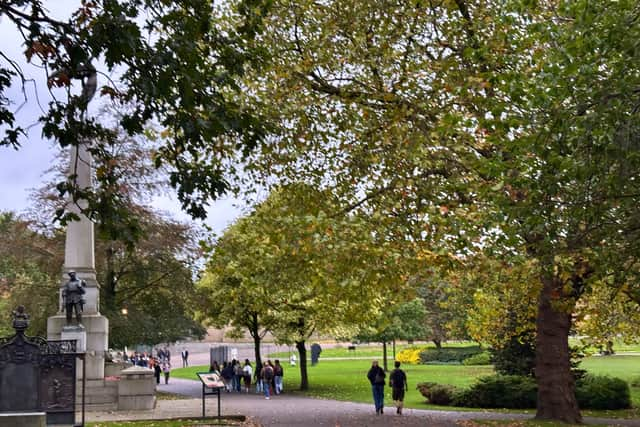

Findings from the station, which has been collecting data on our local climate since September 1882, revealed that this year has been “the eighth driest on record and the driest since 2011” (based on data collected up until October 14, 2026).
The UK saw one of the hottest summers on record, according to the Met Office, and the prolonged dry weather has caused Yorkshire to join much of the rest of the country in drought status, as announced by the Environment Agency in early October.
This lack of rainfall has continued from the summer and into the early autumn, as September and the first half of October saw significantly less rainfall than average.
“The year as a whole, up to October 14, has seen 606.1mm of rain,” reported Alistair McLean, manager of Weston Park Weather Station. “This is unusually dry.
“The 30 year annual average (covering the whole year) is 842mm. This suggests that, even if the remainder of 2026 is wet (as I gather is predicted), we are still likely to come out under average for rainfall across the whole year, and drier than last year, which was also drier than average.”
The temperatures of early autumn also proved persistently high. In 2026, September's average temperature of 15.8 degrees Celsius, compared with a 30 year average of 14.1 degrees Celsius in previous Septembers.
The first 14 days of October this year were reported to be “the warmest first half of the month since records began” at an average of 13.2 degrees Celsius.
While much of the local wildlife suffered through the record-breaking temperatures and current drought, Alistair observed that dragonflies were seemingly thriving this year due to these conditions.
“Dragonflies, which rely on warm weather to fly and breed, are doing very well at the moment, thanks to the fine summers we’ve had in the last couple of years,” he said. “There have been a number of new species that have moved into the area from the South and East, which is almost certainly a result of our changing climate.”