
Live facial recognition trialled at selected stations tackling sexual violence and harassment against women
System generates alerts for individuals on authorised British Transport Police watchlist
Live facial recognition is being trialled at selected Transport for London stations to tackle sexual violence, harassment and intimidation - which disproportionately affect women and girls.
TfL says the move is informed by evidence that the technology is proven to deter and find wanted criminals, protect people from harm and ultimately reduce crime by the Met Police and other police forces.
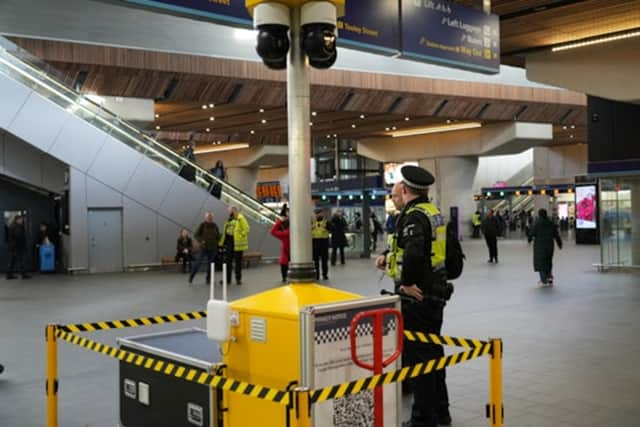

The system used in this trial only generates alerts for individuals on an authorised British Transport Police watchlist linked to serious and high-harm offences including robbery, knife crime and sexual assaults.
By focusing solely on people sought in connection with serious offences live facial recognitionprovides the police with an additional tool to intervene early and help prevent crime before it occurs, says the London body.
Siwan Hayward, security director at Transport for London, said: “Everyone should be able to travel without fear of harassment, intimidation or violence. Tackling violence against women and girls and preventing sexual offending on our network remains a key priority.
“Live facial recognition has the potential to be a powerful additional tool in helping police quickly identify those wanted for high-harm offences, including sexual offences, and supports early intervention and helps stop incidents before they happen.”
TfL’s involvement in the trial will support its wider work to improve safety across the network and also specifically tackle violence against women and girls, whose travel behaviours are shaped by experiences of sexual harassment and sexual offences, according to research TfL recently published.
According to the data 77 per cent of 13- to 16-year-old girls surveyed said they had experienced unwanted sexual behaviour on a journey involving public transport during the previous 12 months while 91 per cent said they had witnessed someone else experience it.
Forty per cent said they had chosen not to make a journey using public transport because they felt unsafe. When asked what would make them feel safer and more willing to use public transport, women and girls raised using LFR to identify offenders and alert police, which TfL says it has made a “key priority”.