Ten snakes and lizards that could be lurking in your garden right now
By Lucy Roberts
Published 28th Feb 2019, 14:03 GMT
Updated 26th Mar 2019, 08:58 GMT
These ten different reptiles could be dwelling in UK backyards with homeowners unaware, now that the weather has improved.
From the venomous European viper and the rare smooth snake to the viviparous lizard and slow worm, herpetophobes might want to look away now. Story and images credited to GardenBuildingsDirect.co.uk
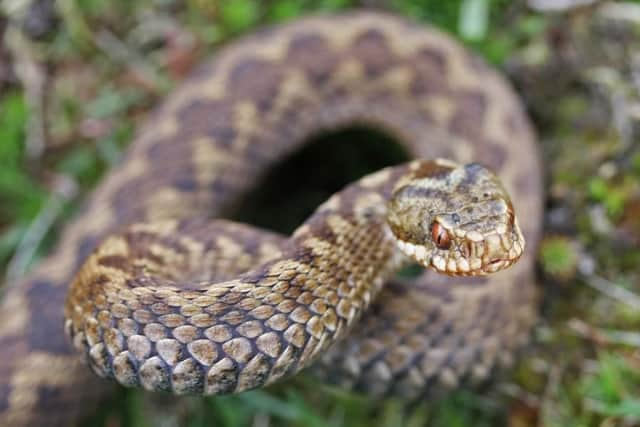
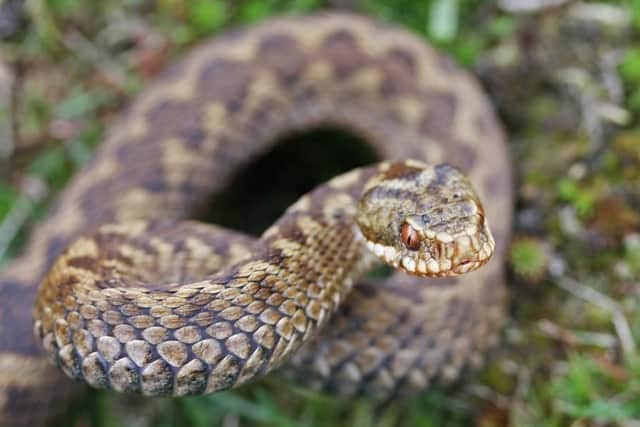
The common European viper (also known as adders) can be found right across mainland UK, is usually about two foot long and has a venomous bite.
The common European viper (also known as adders) can be found right across mainland UK, is usually about two foot long and has a venomous bite. Watch out!
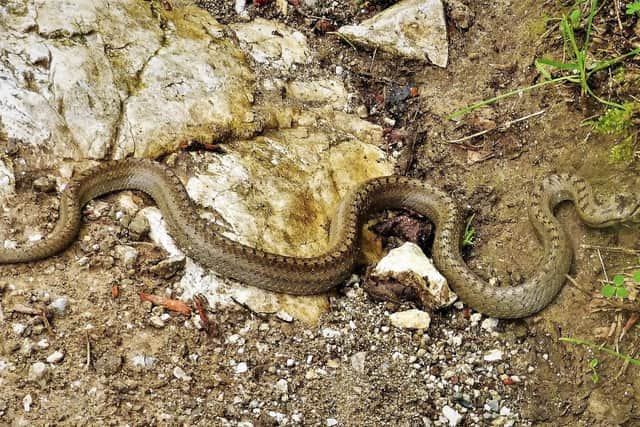
Smooth snakes are comparably rare, though they are most likely to be found in Devon, Dorset, Hampshire, Surrey or West Sussex. Thinner than adders and with no venom.
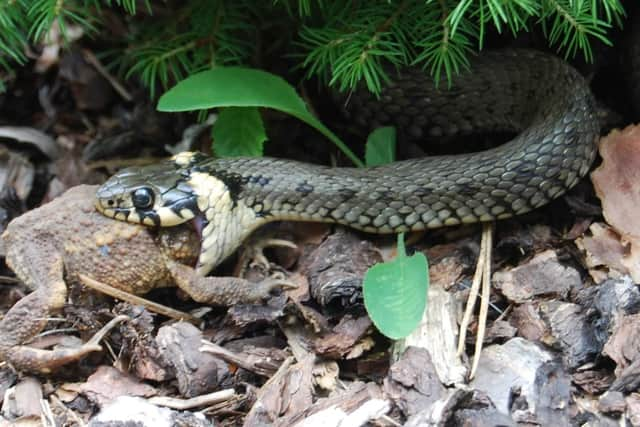
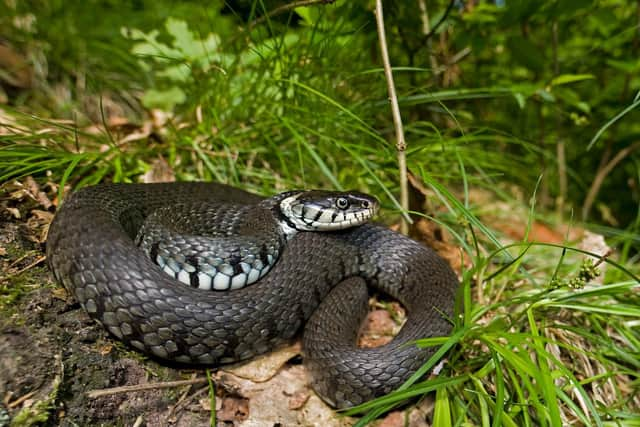
The grass snake favours habitats close to sources of water and can swim well. This non-venomous snake is the largest snake native to Britain.
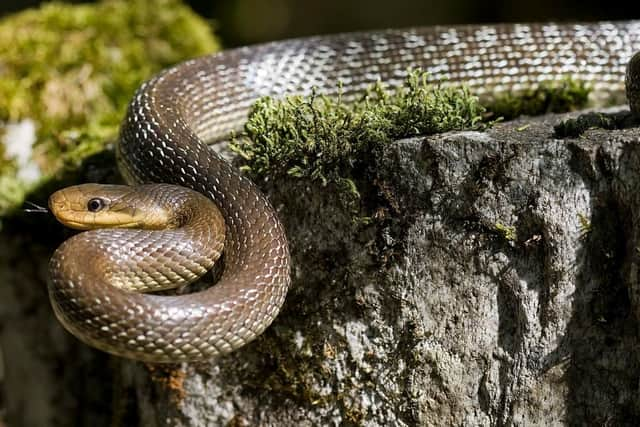
These could be found in London or North Wales neighbourhoods, feed on rodents such as rats and are also non-venomous. Phew.
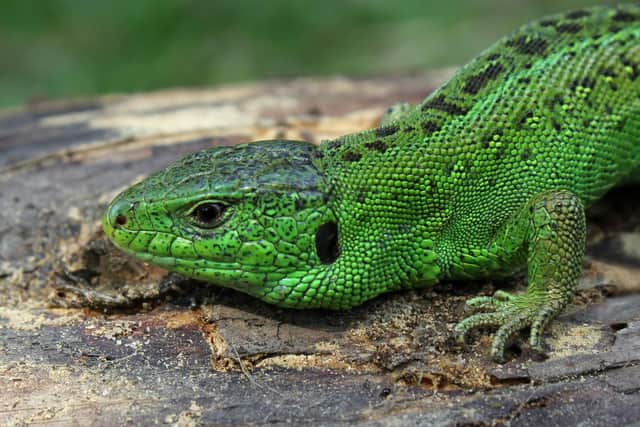
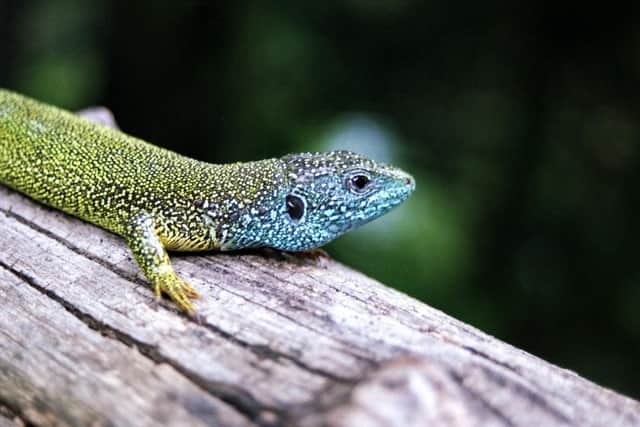
This is the only egg-laying lizard in the UK and can be seen in the summer months near the coast. Legally protected as a threatened species.
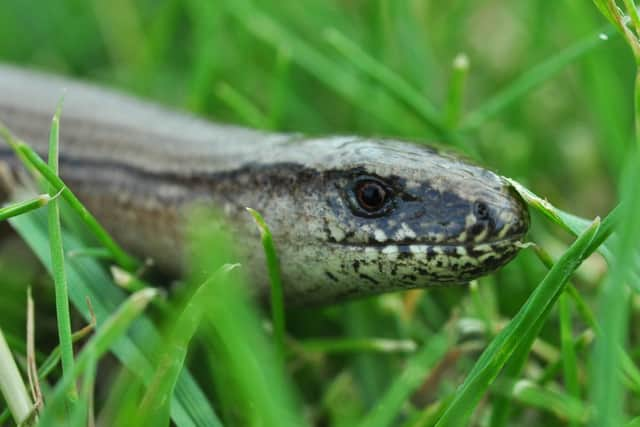
They look like snakes and act like snakes, but slow worms are actually a type of native legless lizard. Found in back gardens everywhere.
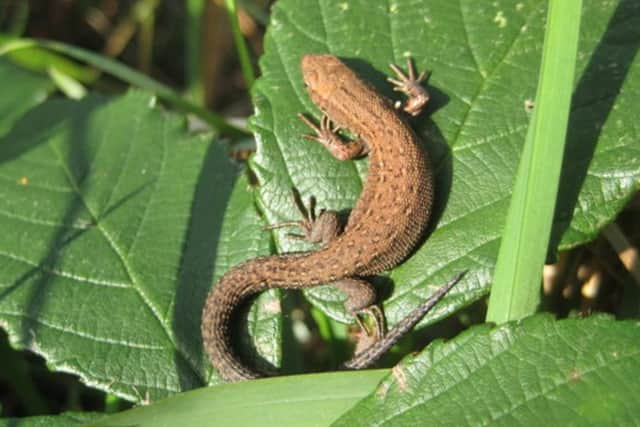
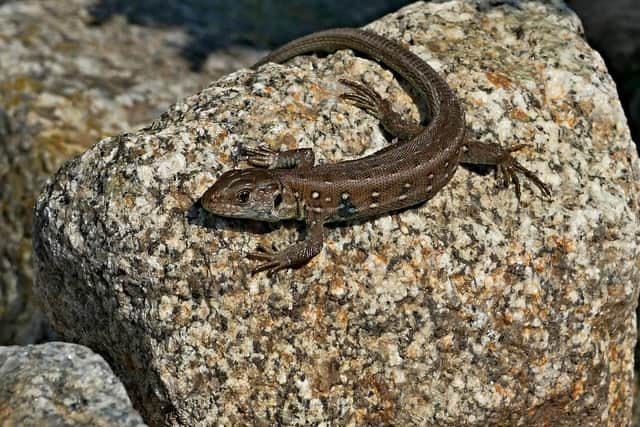
Viviparous, or common, lizards can be seen in a range of colours, from greens and greys to oranges and yellows.
Lacks the bright yellow collar of the classic grass snake. The body colour is grey rather than olive green.
Its natural habitats are green humid areas, temperate forest, the edges of woods, shrubland, open grassland, arable land and pastureland.
This lizard prefers rocky environments, including urban settings, where it can scurry between rock, rubble, debris and buildings.