
Exclusive:Potholes, clean air zones and green belt homes: Where Sheffield parties stand
Political parties debate key issues ahead of local elections this week
Parties with candidates in the local election in Sheffield this week debated key issues at a hustings event hosted by The Star, offering voters a direct insight into how each party would approach some of the city’s most pressing topics.
Representatives from Labour, the Liberal Democrats, the Green Party and the Trade Unionist and Socialist Coalition (TUSC) took part, answering questions submitted by readers.
Candidates from the Conservative Party and Reform UK were invited but did not attend.
Why stand for election?
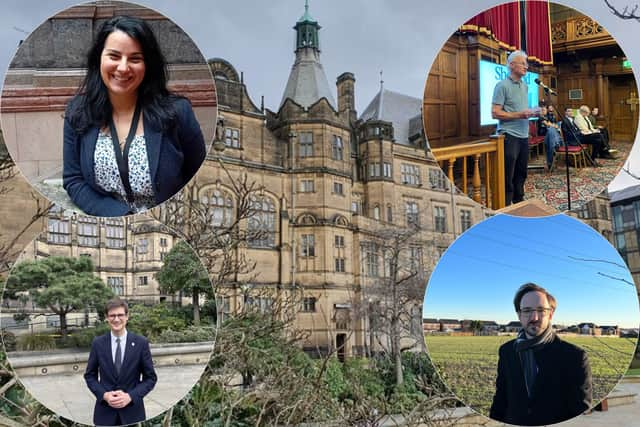

The event began with candidates explaining what had motivated them to enter local politics.
Labour’s Tom Hunt said frustration with past leadership had driven him to act, arguing Sheffield is “not living up to its true potential.”
Liberal Democrat Kurtis Crossthorn focused on community impact, citing everyday actions - such as helping clear a pavement for a mobility scooter user - as his inspiration.
Green councillor Angela Argenzio, who is not up for election this year, said the Greens want to ensure residents have access to opportunity while continuing to improve Sheffield.
TUSC’s Alistair Tice, meanwhile, framed his candidacy as part of a wider challenge to the current system, aiming to offer “a complete alternative” to capitalism, focused on working people.
Housing and the green belt
One of the most contentious issues discussed was the future of Sheffield’s green belt and how the city should meet housing demand.
There are plans for thousands of homes to be built on green belt land across the city as part of the Local Plan.
The Local Plan is a blueprint for development in Sheffield up to 2039. It includes a government target of 38,000 new homes and 654 acres for business.
Sheffield City Council says 89 per cent - more than 33,000 - would be on brownfield sites.
But it is not enough. This shortfall has led to proposals for 3,529 houses and 130 acres for business on 14 sites in green belt - as well as three schools and two graveyards
Make sure you don’t miss any of the breaking news and biggest headlines from Sheffield and South Yorkshire with our free daily newsletter.
Tom Hunt defended the council’s Local Plan, arguing that increasing housing supply was essential to address affordability issues.
He said: “For too long, we haven’t been building the homes that we need - I’ve heard too many parents say their grown-up children can’t afford to move out.”
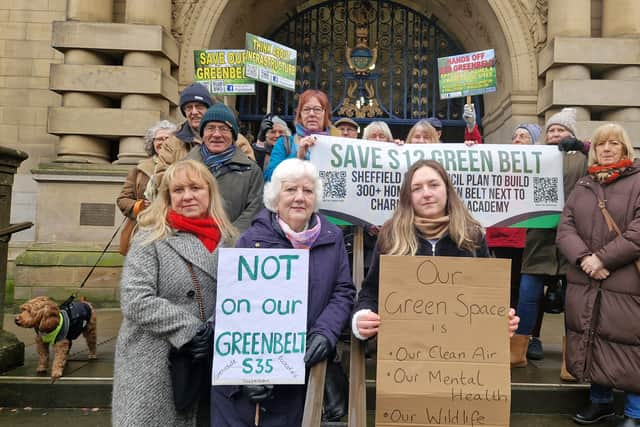
He emphasised that most new housing would be built on previously developed land, adding: “Around 90 per cent of homes will be on brownfield sites - we’re only looking at a small number of sites in the green belt.”
He also noted that a brownfield-only plan had been rejected by the Planning Inspectorate, leaving the council with little choice but to consider limited green belt development.
He added that under the plan, “every development will have to include affordable housing.”
Angela Argenzio supported elements of this position, highlighting the legal constraints councils face.
She explained that the Planning Inspectorate has the final say and said the proposed plan could actually strengthen protections.
“At the moment, you need a development of 400 homes before infrastructure is required,” she said.
“Under the new plan, that threshold would be just 10 homes - which is a massive improvement.”
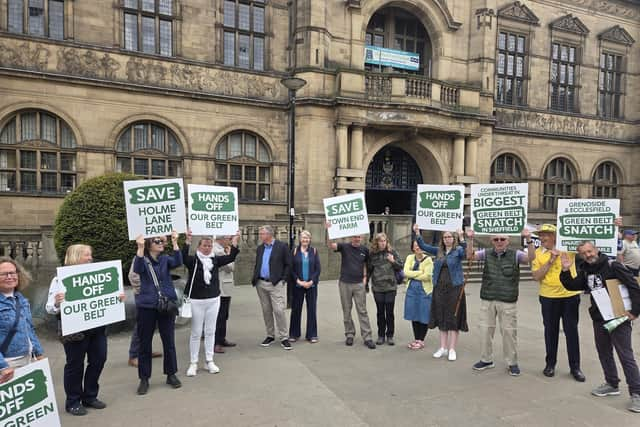
However, opposition to building on green belt land was strong from other candidates.
Alistair Tice said his party was “completely opposed” to the proposals, arguing that developers favour green belt sites because they are cheaper and more profitable.
He also warned about what he described as “creeping privatisation” of parks and public green spaces.
Kurtis Crossthorn echoed concerns about losing green space and suggested alternatives, including bringing empty homes back into use.
“We’ve got thousands of long-term empty homes, we should be focusing on those instead,” he said.
In response, Mr Hunt pointed out that the Local Plan had been developed through a cross-party administration including the Liberal Democrats, and argued that critics had not presented a viable alternative.
Roads, potholes and the Amey contract
The state of Sheffield’s roads - and the controversial contract with Amey - sparked further debate.
Alistair Tice was critical of both Labour and the Liberal Democrats, linking them to the origins of the private finance initiative (PFI) deal.
He said: “Lib Dems negotiated the contract and Labour signed it off. Now we’ve got a pothole crisis, and it comes back to privatisation.”
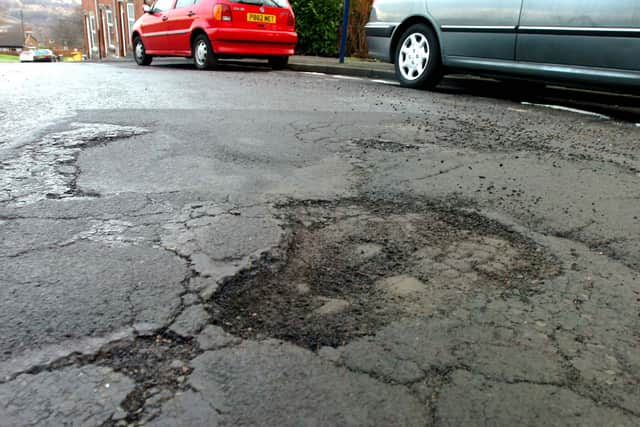
He also questioned the efficiency of the arrangement, noting that council staff are employed to monitor the contractor’s work.
Tom Hunt acknowledged ongoing frustrations but said improvements had been made.
“Amey have doubled the number of teams doing pothole repairs,” he said, adding that hundreds of repairs are now being completed each week.
He also highlighted a shift in strategy: “Rather than just patching potholes, they should be resurfacing whole stretches of road and we need to see that consistently.”
Angela Argenzio agreed with concerns about privatisation but said leaving the contract would be financially unfeasible.
Instead, she argued the council must focus on making the current system work.
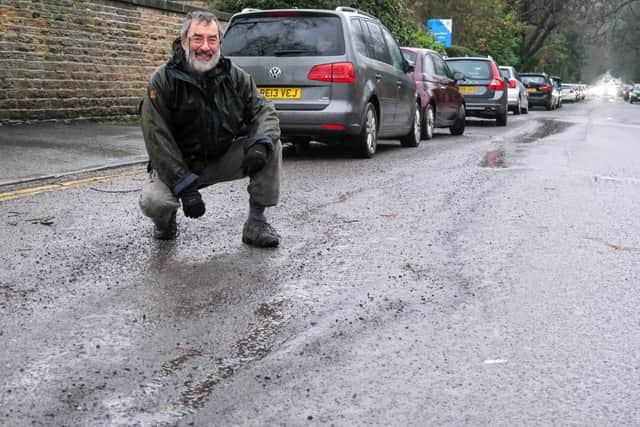
Kurtis Crossthorn defended the original decision to invest heavily in road infrastructure, saying it had been necessary at the time.
However, he acknowledged that improvements are needed, particularly when repairs fail repeatedly.
“If patches fail, then it’s often the structure of the road that needs fixing,” he said.
“You can’t just keep patching - it needs proper reconstruction.”
When asked to summarise their positions on the Amey contract, the candidates offered clear differences: Ms Argenzio said she opposed such contracts “in principle.”
Mr Hunt said “it’s what we have and we need to make it work.”
Mr Crossthorn supported it “with accountability.”
Mr Tice said he was “absolutely not” in favour.
Clean Air Zone: benefits vs business impact
The Clean Air Zone (CAZ), which has raised over £11 million in charges and fines over the last two years, prompted lively discussion.
Tom Hunt argued the scheme had delivered measurable environmental benefits.

“Nitrogen dioxide levels have reduced across the city,” he said, citing a 23 per cent drop in recent figures.
He added that financial support had helped businesses upgrade vehicles, contributing to cleaner air.
He also pointed to public health concerns: “One in 20 deaths in our city is linked to air pollution - we had a legal duty to act.”
Angela Argenzio supported the scheme, particularly from a health perspective.
She said clean air is “especially important for children with developing lungs” and noted that pollution contributes to hundreds of excess deaths each year.
She also highlighted ongoing investment in cleaner transport, including electric buses, and said the transition should continue.
Kurtis Crossthorn took a more cautious stance, arguing that the policy must be balanced against economic pressures.
He said businesses were already facing rising costs and suggested the scheme may need reviewing in future.
“We do have to balance it out, cars aren’t the problem - it’s the pollution they cause.”
He also stressed the importance of improving alternatives, including public transport and electric vehicle infrastructure.
AlistairTice said he supported clean air measures in principle but criticised what he described as punitive enforcement.
He argued that such policies can generate public resentment and called for a different approach.
“There should be more of a carrot than a stick,” he said, suggesting expanded - and potentially free - public transport as a solution.

The discussion briefly turned to proposals for free bus travel for young people, with Labour suggesting a free bus travel for under-18’s scheme could be introduced.
However, Mr Crossthorn questioned whether funding had been secured.
“The last paper I saw said funding hadn’t been identified,” he said, suggesting the proposal may be premature.
Mr Hunt responded that funding options were being explored and that a final decision would come after the election.
The hustings made clear that while there is some agreement on broad goals - such as improving air quality and infrastructure - there are significant differences in how parties propose to achieve them.