
Why experts are now more optimistic for future of at-risk Sheffield heritage landmarks

But these are some of the city’s most at risk historic buildings
It is a huge city, rich in heritage.
But over the years, Sheffield has lost some iconic buildings and landmarks.
The once famous domed St Paul’s Church that stood at what is now the Peace Gardens is long gone. So is the famous frontage of the old Gaumont cinema at Barker’s Pool.
However, campaigners who dedicate their lives to fighting to preserve the city’s heritage say they are now more optimistic than they have been in years about the city’s chances of protecting its wealth of history.
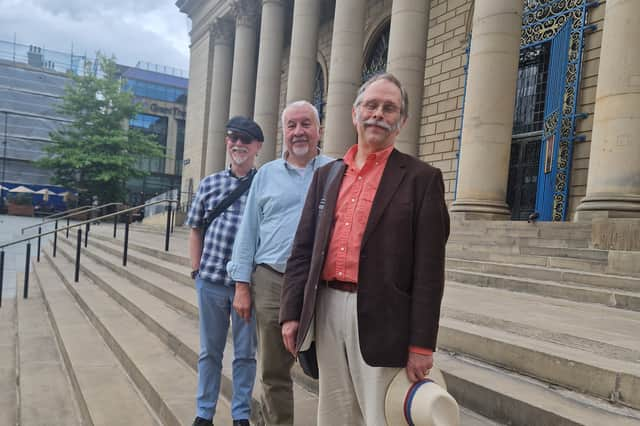

Sheffield Conservation Advisory Group was set up with experts from a number of city based organisations including the Sheffield Victorian Society, Hallamshire Historic Buildings and the Sheffield Historic Buildings Trust.
And those involved in the group feel that while there are still important buildings from the city’s history which cause them concern, Sheffield Council is paying more attention to the issue than it has in years.
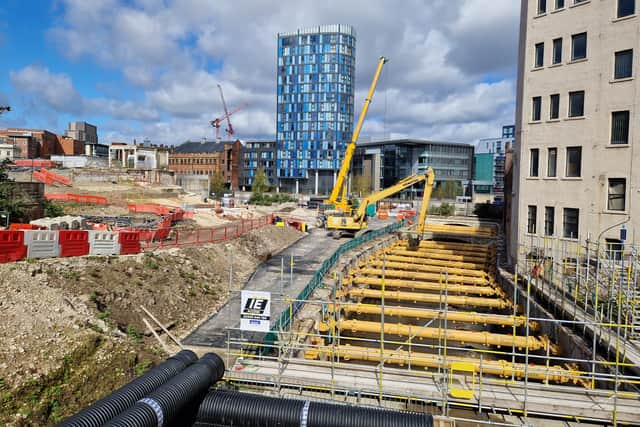
This comes at a time when work is underway to redevelop the site of the former Sheffield Castle into a public open space and park, with parts of the castle’s historic footings on show. The castle was demolished after the English Civil War in the 1640s.
And members of the advisory group feel that Sheffield City Council is now consulting them on heritage issues on a more strategic level than in the past.
Group member Robin Hughes, a member of Hallamshire Historic Buildings, said: “We now have a local heritage list that contains heritage assets that are not listed. It does not provide formal protection, but gives it more of a chance if a planning application should threaten it.
“Also, three months ago, there was a permanent heritage manager appointed.”
He says the local heritage list is a work in progress, but currently has 174 heritage ‘assets’ already locally listed.
In addition, the city centre conservation area has been extended, says Nigel Slack, chairman of the consultation advisory group and chairman of the South Yorkshire Victorian Society.
It had previously ended roughly where the Hole in the Road used to be, at Castle Square, but now extends out towards the former Sheffield Castle site.
He feels the change at Sheffield Council from a leader and cabinet to a system of committees has opened things up for heritage isses to be heard and acknowledged.
“I think It’s created a progressive approach to heritage,” he said.
Mr Hughes said: “In the 60s, buildings were being knocked down and dual carriageways built. Now they’re trying to re-open the castle site and reintegrate it into the city centre.”
Craig Broadwith, chairman of the Sheffield Historic Buildings Trust agreed. A former employee of Historic England, he remembers a time when Sheffield Council declined heritage grants to regenerate historic parts of the city.
He believes this has now changed.
Some of Sheffield’s biggest heritage concerns
For the members of Sheffield Conservation Advisory Group, there are some high profile buildings that they rate highly on their list of current concerns.
The Old Town Hall
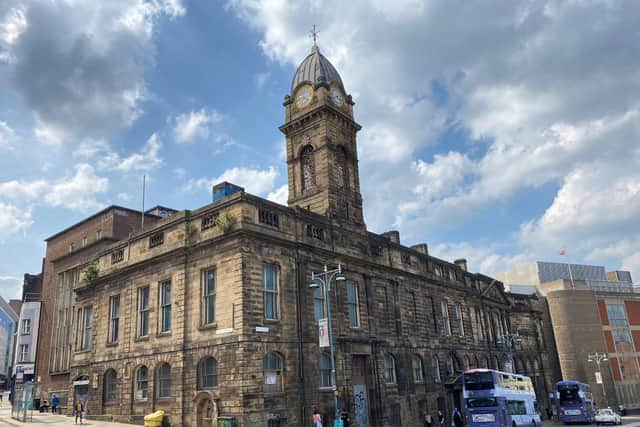
Mr Slack rated the Old Town Hall, on Waingate, as the biggest current concern.
The Old Town Hall dates back to 1808 and was Sheffield’s civic headquarters but housed the city’s courts for most of its history.
It is Grade II listed but not been used for 30 years and has fallen into a very poor state of disrepair.
He said: “We are talking about the actual heart of the city, with the castle, and what was the first major civic building in the city centre. It will be really expensive to fix.”
It’s history includes being the site where protesters were shot dead after elections in 1832, and many famous criminal trials
He is very concerned about the state of the building.
Salvation Army Citadel
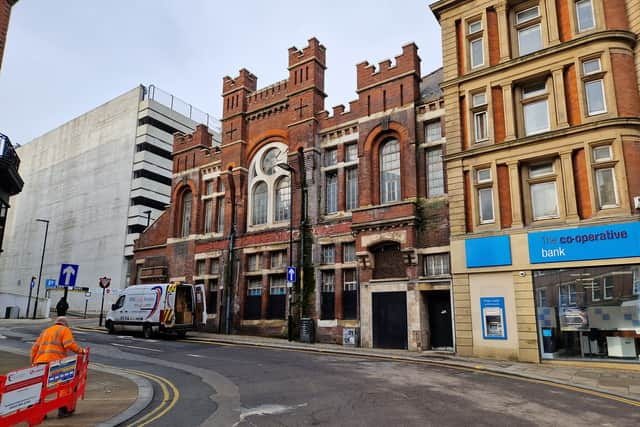
The building has been empty for years, but there is now optimism over its future, with Sheffield Council having put in place plans for its future.
Mr Hughes said: “The council now own it and have set money aside. We still want to know what they want to do with it Bu there has been a willingness to take it on, which makes me more optimistic about it.”
The building, on Cross Burgess Street, opened in 1894 and was used by the Salvation Army for more than a century as their main church venue, before the charity moved out in 1999. Since then, the building, which includes a Grade II listed, red-bricked castle-style frontage, has remained empty.
Sheffield Central Library
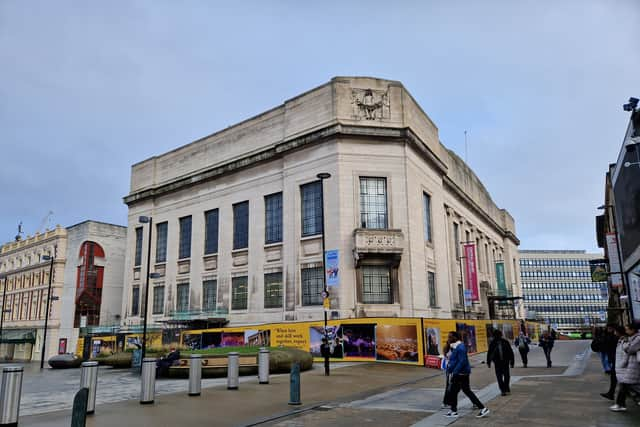
There are concerns over the building, with major repairs needed. It currently has boards in front of it to keep people safe.
Mr Broadwith said: “The council are taking it seriously, and they are not now looing to hive it off to the private sector.”
First opened in 1934, Sheffield Council said last year that the ‘much-loved’ building was in need of major repair works to prevent further deterioration, improve accessibility and to regenerate the building for the future.
Meersbrook Hall
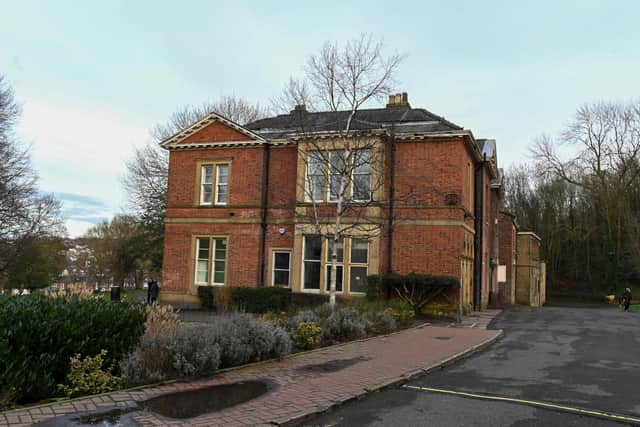
Dating back to Georgian Times, Meersbrook Hall was Sheffield’s museum from 1890 to 1953. It is now empty, in the middle of Meersbrook Park.
But there is now a community group which has been set up to try to find a future for the building.
Mr Hughes said: “It’s a symbol of hope, but it is an uphill battle. It will be a struggle, but I think it is something that could happen.”