
Sheffield MPs explain decisions after decisive vote on the 'Assisted Dying Bill'

Only half of the city’s MPs passed a vote
MPs in Sheffield remain divided on the ‘Assisted Dying Bill’ and have explained their decisions after it failed in the House of Commons.
MPs from across the country gathered in the House of Commons on Friday (September 11) to resume debates into the Terminally Ill Adults (End of Life) Bill after Parliament went into recess over the summer.
The decision was delayed by the House of Lords, forcing another vote in the Commons despite previous support.

And while the bill passed previously, it fell through this time, with 286 MPs voting against it while only 268 showed their support.
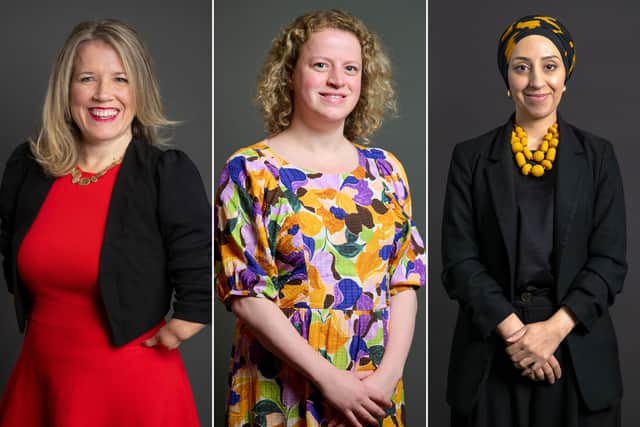
In Sheffield, only three MPs voted in the crucial debate, with two showing support while the third opposed.
“This week, death has felt rather too close to home, for me,” Penistone and Stocksbridge MP Marie Tidball said during the debate
“My dad, John, my constituent and hero in life had surgery for lung cancer, followed by a cardiac arrest the next day.
“Thanks to our wonderful NHS, he is on the road to recovery to such an extent that I was even able to have a conversation with him, at his bedside, where he insisted that I came here to speak and vote in this debate today.
“My dad is determined to live, nevertheless, he told me that if circumstances were different, where his condition was terminal with six months left to live and had the capacity to make that choice, he would want to have the option to choose an assisted death, to give him dignity.”
Ms Tidball continued to pass her support for the bill, adding: “setting the bar high for dignity in death, we set the bar even higher for dignity in life too.”
She said she was “deeply disappointed” by how the vote ultimately turned out and “heartbroken for all the terminally ill people and their loved across the country, who wanted this choice to live a good death” as she laid out her plans to continue supporting reforms to palliative and social care for disabled people.
Sheffield Hallam MP Olivia Blake also voted in favour of the bill, and thanked her constituents for sharing their thoughts with her ahead of the debate.
“I was moved to read so many deeply personal stories, which I reflected on at today's debate,” she continued.
“I value the variety of views expressed to me, and thoroughly considered these, concluding that the current system denies a dignified death to many people.
“I voted for the bill as it seems to me that the compassionate approach is to allow each individual to make their own choice about their own circumstances.”
However, Sheffield Central MP Abtisam Mohammed chose to vote against the bill, raising fears around a lack of safeguards that may lead to people who could recover choosing to end their own life early.
She added: “Health inequalities for disabled people, people living in poverty and people from ethnic minority backgrounds are already well documented, but they are not considered by this bill, and my initial decision to vote against at Second Reading was due to my concern for the most vulnerable people in society.
“For such groups, there remains the long-term problem of trust in the health service with confidence in end-of-life care being especially low. Evidence given from minority and disabled groups highlighted the fear that they will be pushed into assisted dying through systemic biases and societal attitudes about whose lives are valued.
“Having worked for many years to challenge structural inequalities, I am still not convinced that this bill is safe, especially as crucial safeguards such as a sign-off from a High Court judge have been dropped.
“It has been particularly troubling to see, for example, amendments that would have improved safeguards by ensuring individuals could not be considered terminally ill based on mental illness or disability, or ensuring that relevant and available palliative care options were in place for all, were struck down at Committee.”
- RELATED: Concert organised to raise funds for Sheffield's twin city in Palestine
- RELATED: Tragedy as Sheffield woman dies after cocktail of drugs
- RELATED: "Festering" man appeared at neighbour's door with loaded crossbow
- RELATED: Despicable domestic abuser believes he is "entitled" to attack romantic partners