
Rotherham residents face £73 annual council tax rise after budget approved

Rotherham councillors have approved a 3.95 per cent council tax rise from April as part of the authority’s budget for the coming financial year.
The increase, agreed at a meeting of full council on March 4, will see the annual bill for a Band D household rise by £73.89, taking it to £1,944.52 from April.
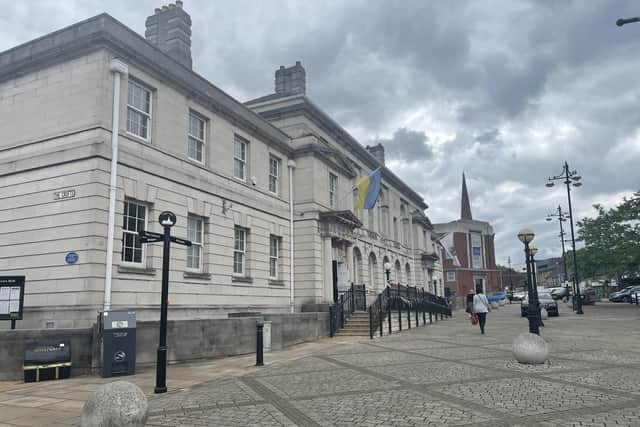

Council leaders said the increase was needed to help meet rising costs, particularly in social care. The authority expects to spend around £13.4m more on adult and children’s care services this year, driven by rising demand and increasingly complex needs.
While government funding for Rotherham is set to increase by around £13.2m in 2026/27 following changes to the national funding formula, officers say much of this additional money will be absorbed by those pressures.
Council leader Chris Read said the budget would ‘improve the quality of life of Rotherham residents over the coming year’.
He added that while councils had faced years of austerity under previous Conservative governments, increased funding from the current Labour government meant Rotherham was now able to present a balanced budget for the next three years while continuing to invest in regeneration and services.
The budget includes funding for business support officers and town centre events across the borough, including in Rotherham, Swinton, Wath, Maltby and Dinnington, as well as investment in parks, leisure facilities and highways.
Councillors also highlighted measures aimed at easing everyday costs for residents, including a new offer of half-price swimming for people aged 65 and over.
Conservative councillor Timothy Baum-Dixon said he could not support the budget, arguing it did not represent value for money for taxpayers and that the council should focus on leaving more money in residents’ pockets during the cost of living crisis.
Liberal Democrat councillors proposed an alternative budget which they said would reduce the council tax increase by cutting funding for town centre events and removing additional council funding for the selective licensing scheme.
Conservative councillors also put forward an amendment which would reduce the council tax increase to three per cent, redirect reserve funding towards regeneration and road repairs, and cut spending on schemes including subsidised swimming for over-65s and additional council business support roles.
Both were rejected by the council’s Labour majority.
The budget passed following a vote at full council, with the Labour majority supporting the proposals. Liberal Democrat, Conservative and Reform councillors voted against, along with some independent councillors.