
Rotherham Council agrees to limit questions during five-hour meeting

Rotherham Borough Council has agreed a series of changes to its constitution, focusing on introducing time limits to improve the efficiency and structure of meetings.
During a full council meeting on April 9, which lasted almost five hours, the changes were agreed to keep meetings on track and within set timeframes.
Councillor Chris Read, leader of the council, told the meeting: “Long meetings make tired derision makers and inevitable bad decisions. Many members have family, work or caring responsibilities, and for some members, their own health conditions and disabilities mean they cannot commit to an indefinite length of meeting every six weeks.
“It’s a matter of basic respect between us. Too often our meetings are getting to a point at the end where more than half of the members of this chamber aren’t able to stay. We have proposed some time limits that will prevent any element of the meeting rumbling on for an unmanagably long period of time.”
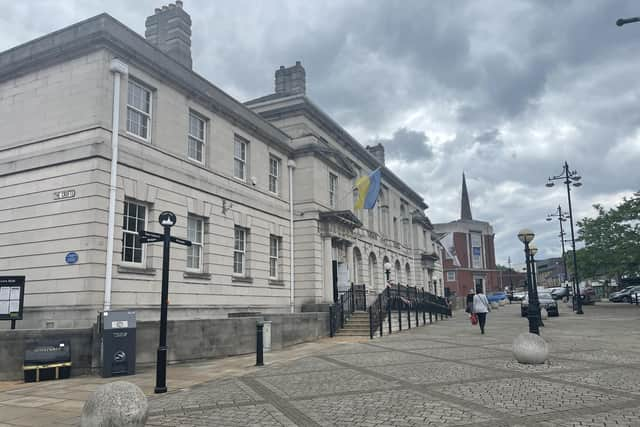

Cllr Zachary Collingham, leader of the Rotherham Conservatives, agreed with the new rules, adding: “Meetings have been getting longer, without necessarily getting any more productive, and we have had instances of both members and the public bending and breaking the very few rules that we have.”
Cllr Taiba Yasseen, Independent, opposed the changes, stating: “This is the only space in the entire council that we are allowed to be… very proudly political to represent our communities. I feel it’s about control.
“What message are we sending to the public – that they’ve got 60 seconds to ask about issues that affect their daily lives?”
A one-hour cap will be applied to all general questions and answers from councillors, with a maximum of 15 questions. Five of these questions will be answered during the meeting, and the remaining 10 would receive written responses. A one-minute limit would also be introduced for supplementary questions.
Public questions will be limited to 20 minutes, with any remaining questions to be answered in writing after the meeting. Further proposed changes to motions and debate procedures include limiting speeches to five minutes for proposers and three minutes for seconders and other members. Additionally, the time allocated for motions will be capped at 90 minutes, with any unfinished business to be voted on without debate once the time limit is reached.
The annual budget council meeting will be a focused session for setting the budget and tax rates, as well as agreeing on the municipal meeting calendar. This meeting would be strictly limited to these items, with provisions for urgent matters to be considered as exceptions, preventing the meeting from running on for extended periods.