
People spending years on waiting lists to get assessed for ADHD without help in Sheffield
A clinical director in Sheffield has told members of the council that decisions made two years ago on how to handle the increased demands on ADHD assessments “should have not happened”.
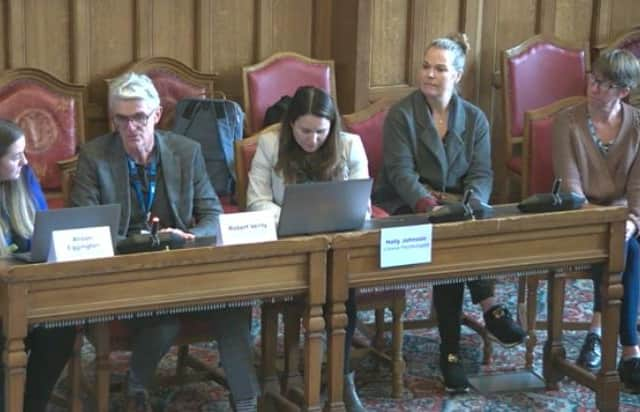
Sheffield City Council’s health scrutiny sub-committee heard from NHS professionals about how the ADHD and autism service is in the city.

Members were told that when it comes to attention deficit hyperactivity disorder (ADHD), in 2018 the demand for referrals was 200 per year in Sheffield.
Currently, the demand for assessments is around 200 per month.
A report added the number of people with ADHD on the waiting list at the end of July 2024 in Sheffield was at 3,616 (2,250 on screening and 1,366 on wait list), national referrals 4,298 (2,361 on screening and 1,937 on wait list).
However, 3,832 of these are Derby and Derbyshire Integrated Care Board (DDICB) service users and will be transferred at the end of October, which will “greatly affect the waiting list”.
The current longest wait for an ADHD assessment is around six years – but members were told not everyone was waiting six years.
Cllr Sophie Thornton asked the presenters from the NHS what help if any people who have to wait six years for an assessment have been provided with for the last few years – as it was revealed during the meeting that assessments stopped in 2022.
She heard that the issue around people not getting assessed or getting help while being on the waiting list was staff-related.
Cllr Thornton said, who was diagnosed with ADHD not so long ago, said she had tried to go through the process in the NHS – but she knew she wasn’t going to have help so she went private.
She said there was a blaming game going on while it’s “not my fault that I didn’t realise until later on”.
She told the presenters that while they knew about the increased demand and the issues within the service, they stopped the assessments, did not provide enough help for people waiting which then led to a lot of bad press .
She asked: “So where does the responsibility lie for this?”
Members were told by Robert Verity, a clinical director, that he was very sorry but “I don’t know where that responsibility lies”.
Mr Verity said: “I think those decisions that were probably taken back in May 2022, it’s an oversight that should not have happened and we’re now trying to address this as best as we can.”
Cllr Sophie Thornton also asked the presenters about what’s going to happen with the patients in Derbyshire when the DDICB’s contract ends later this year.
She was told that the DDICB was working on a new ADHD provision more local to them but the referrals won’t just go back to the end of the queue.
Members were told the Derbyshire referrals won’t “queue jump” as they don’t have a service in the county at the moment.
Up next, Cllr Julie Grocutt said the experience was that a diagnosis when it’s given correctly and under proper medication makes a massive difference.
She said: “So the fact that we have so many people waiting, obviously, is a concern.”
Cllr Grocutt also asked the presenters whether they were concerned about losing staff in Sheffield to Derbyshire.
The answer was they did not “envisage” that people would just turn to Derbyshire.
At the meeting, members also heard about numbers around autism in Sheffield and they were told that the service has been successful in attaining the commissioned target for Sheffield which is 600 assessments and 1200 follow ups per annum.
They were also told that there has been a reduction in referrals received from Rotherham, Doncaster and Barnsley.
A report published ahead of the meeting said: “The number of people on the wait list for Sheffield autism assessment as at end of July 2024 is 996 with an average wait of 65 weeks.
“This has halved in the last 12 months as Sheffield patients have been offered 80 per cent of appointments.”