
Insufficient burial ground, unmet housing need and food insecurity: Green belt campaigners voice concerns
“At a time when national policy is placing increasing importance on food security, climate resilience and protecting productive land, the permanent loss of around one-tenth of Sheffield’s best farmland is significant”
Members of Sheffield’s green belt campaign fighting plans for new homes to be built in the city have told councillors of their concerns.
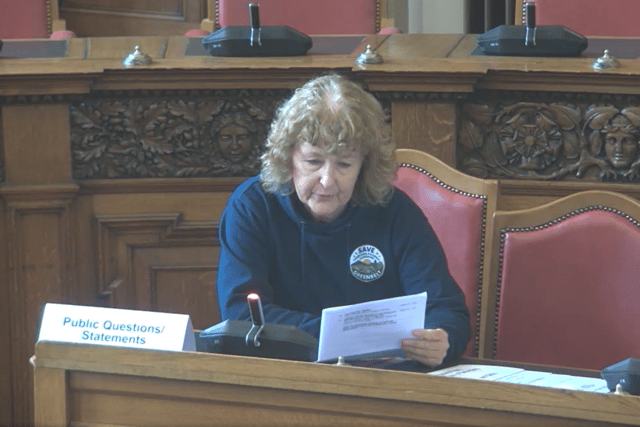

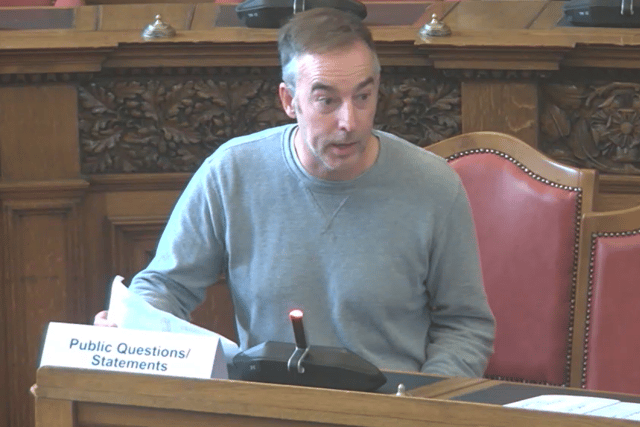
Three campaigners spoke at Sheffield Council's Strategy and Resources Policy committee meeting this week.
Current plans for more than 3,500 new homes, as well as schools, cemeteries and industrial units, threaten about 800 acres of Sheffield’s green belt, which is overwhelmingly concentrated in the southeast and north of the city.
This is outlined in the council's controversial Local Plan - a blueprint for development in Sheffield up to 2039.
There are 14 plots earmarked for 3,529 houses and 130 acres for business.
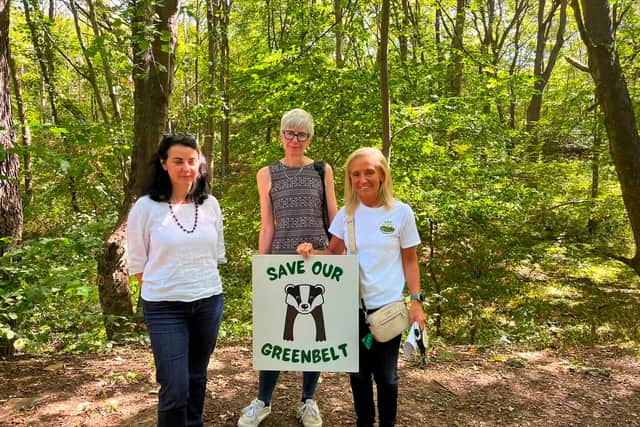
Gillian Travis, a campaigner from the Ecclesfield and Chapeltown group, shared that on August 14, Prime Minister Andy Burnham said: “The ability to grow our own food is national security."
She said 'best and most versatile' (BMV) agricultural land is scarce in Sheffield.
And added that according to Defra, “Just 7.53 per cent of Sheffield’s mapped agricultural land is predicted BMV.
“Yet representations to the Sheffield plan examination indicate that over 120 hectares, more than half of the approximately 230 hectares proposed for Green Belt release, is predicted BMV.
“This represents approximately 10 per cent of Sheffield’s entire predicted BMV farmland."
She said: “At a time when national policy is placing increasing importance on food security, climate resilience and protecting productive land, the permanent loss of around one-tenth of Sheffield’s best farmland is significant.”
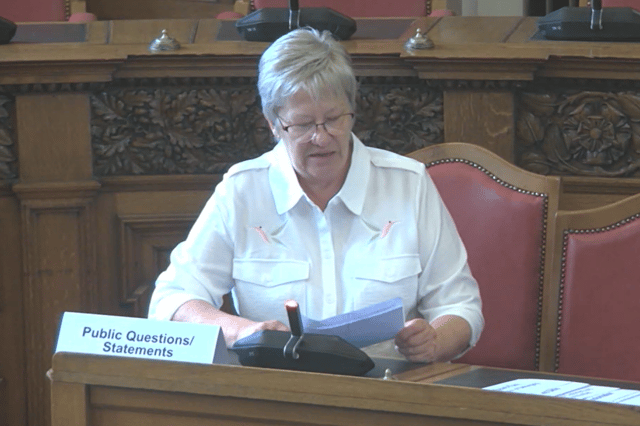
Christopher Jackson’s statement focussed on the city’s struggle for burial land, and was read out by Lynda Jackson.
She read: “Three hectares of land west of Black Lane, adjoining Wisewood Cemetery, is for auction on 21 September 2026, with a guide price £80,000.”
The statement urged the council to buy back the land to extend the cemetery, given pressures it is facing to meet burial demand.
Michael Parkin criticised the delivery of housebuilding in Sheffield, claiming “releasing more green belt is not a housing-delivery strategy.”
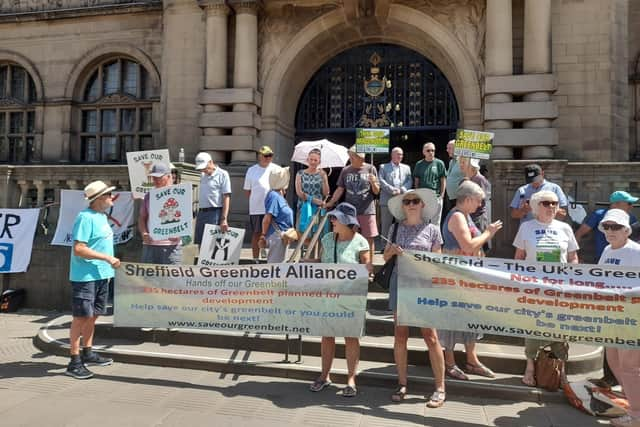
He said Sheffield has the lowest housing delivery test score in South Yorkshire.
“Over three years, 9,092 homes were required. Sheffield delivered 5,313," he said.
“This is not simply a land-supply problem. It is a delivery problem.
"The plan requires 1,780 homes a year now, rising to 2,750 from 2031/32. In 24 years of Government data, Sheffield reached 1,780 only four times and 2,750 once. The average delivery is 1,166 a year.
“The new National Planning Policy Framework treats a score below 75 per cent as evidenced unmet need. Sheffield is at 58 per cent. The plan proposes releasing green belt to meet future need. Under-delivery does not reduce that need, it adds to it, and to the pressure for more green belt release.”
Ms Travis, Ms Jackson and Mr Parkin were met with applause from the council chamber, however due to the pre-election period, their questions had to be reframed to statements and they did not receive a response from councillors.
There is a by-election in Walkley later this month.