
Sheffield Council tower blocks under 24-hour fire watch over insulation risk
Nine tower blocks of council flats in Sheffield are under a ‘waking watch’ because of increased fire risks related to issues around external insulation.
Members of Sheffield City Council’s high-rise forum, which is a council-tenant liaison group, were briefed on the issue on Wednesday (November 11). They heard that the problems were discovered during Fire Risk Appraisals of External Walls (FRAEW) tests undertaken as part of a fire safety compliance programme.
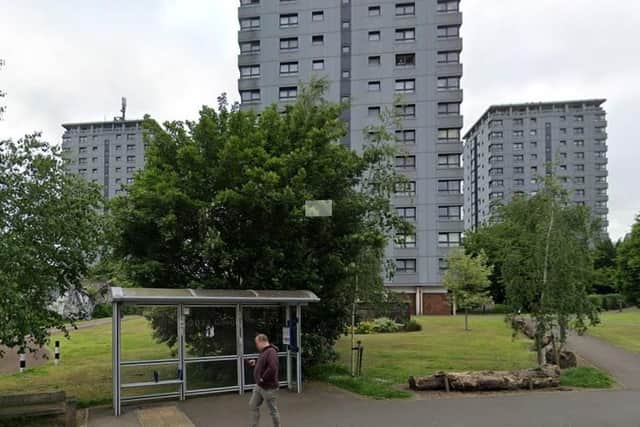

The nine blocks affected are six at Callow Mount, Drive and Place in Gleadless Valley and three at Leverton Gardens and Drive in Highfield. A city council report to the high-rise forum said: “The remaining 15 towers across the city were confirmed to be low risk with no further actions required.”
The report said: “There is a limited area within the enclosed balcony area behind the glazed windows where the insulation configurations could increase risks in the event of a fire.”
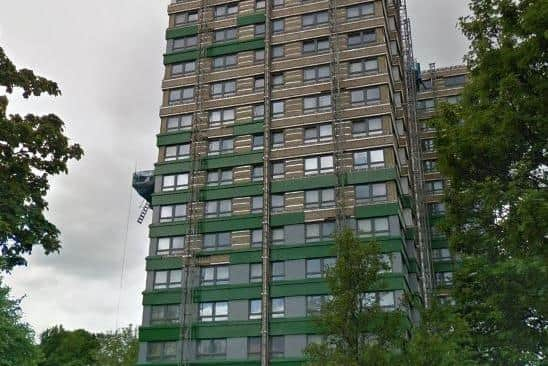
The waking watch involves trained personnel undertaking external checks 24/7 as well as fire door inspections, advice on improved resident safety from an independent fire engineer and the installation of additional smoke detectors in flats and bin stores.
Evacuation
Residents have been advised of the situation by letter and drop-in sessions have been held, said the report. Fire evacuation rules remain the same – tenants should stay put if advised to by fire officers when a fire is elsewhere in their block.
The report said removal of the insulation and replacement with materials that comply with fire standards is planned and procurement is under way.
Peter MacLoughlin is a long-time council housing campaigner who lives in a high-rise block in Netherthorpe who attended the meeting. He said they also heard from Dean Butterworth, council housing service service head for resource and maintenance, that there are problems with tenants throwing objects out of windows at waking watch staff.
Peter said that objects being thrown from flats is a long-standing safety worry that the council needs to tackle.
He said he questioned Mr Butterworth about what the waking watch has so far cost the council and was told £150,000, funded from the Housing Revenue Account.
Gobsmacked
Peter said: “I just sat there gobsmacked, listening.”
He added: “It’s obviously something to do with the material at the back of the cladding itself.
“I assume it’s combustible, otherwise why have they been wanting to get rid of it? They have got to replace it.”
Peter said he was told that legally the council can only replace the materials causing concern once the government signs off on it, which would take 46 weeks. He is concerned that a head start was not made on the procurement process to keep any delays as short as possible.
He said the council could be forced to rehouse hundreds of families at short notice if waking watch teams walk off the job because of the abuse and danger they are undergoing.
Peter said: “We heard we’re getting quite a lot of reports from the contractors that they’re getting harassed from irresponsible tenants with things being thrown out of their windows to intimidate them.”
Technology
He pointed to Southampton Council which is using technology to pinpoint which flats objects are being thrown from.
Following the Grenfell Tower fire disaster that killed 72 people in London in 2017, the council worked with the University of Sheffield to check cladding on all council tower blocks. Defective cladding which failed fire safety tests was found on the Hanover block in Broomhall.
An investigation was launched to find out why the Hanover cladding was different to the solid aluminium cladding used on all other council tower blocks in the city. However, its findings were inconclusive because some records were missing.
At the time, long-term Hanover resident and tenants and residents association member John Cawthorne told the Local Demcoracy Reporting Service: “I don’t think there is a conspiracy here.
“I think there is ineptitude, a lack of attention to detail, sloppiness, poor record-keeping and maximisation of profit by doing something easy and cheap.
Priority
Sheffield City Council has issued the following response.
The council’s top priority is keeping people safe. Following the outcome of External Wall Fire Risk Assessments that identified a limited presence of combustible insulation and poorly-installed cavity barriers within the glazed curtain wall façades, we have implemented a series of interim safety measures to ensure the safety of residents within these blocks.
This has included waking watch patrols, restrictions on balcony storage where possible, and continued direct engagement with South Yorkshire Fire and Rescue. The waking watch is an interim fire safety measure that was agreed with South Yorkshire Fire and Rescue Service as an appropriate way to manage the risk pending removal of the insulation.
Further details can be found on the council’s website here: Form 2 – Housing Performance Report Q1 25-26.pdf (paragraph 2.4.5). The council is seeking approval to remove the insulation as quickly as possible through the building control application process from the Building Safety Regulator. This is a statutory requirement for all higher-risk buildings (HRBs) in England, under the Building Safety Act 2022 and associated regulations.
Unfortunately, due to the high volumes of applications across the UK, the regulator is experiencing pressures in approving applications, with current timescales being extended, which is beyond the council’s control. The safety of all concerned, be it residents, council staff, contractor or the public is paramount. Measures are in place to ensure officers performing waking watch duties can do so safely. The council is aware of two isolated incidents of anti-social behaviour directed towards the waking watch and officers are investigating the source. Both incidents have been referred to the police.
Sheffield City Council condemns any form of anti-social behaviour and will take appropriate action if any such behaviour is reported to us. To date the waking watch across nine buildings has cost £167,000. This is an appropriate and necessary investment to keep our residents safe.