
Plan approved to tackle Sheffield Council £28.2m budget overspending
A plan for Sheffield City Council to tackle its forecast £28.2m budget overspend includes a freeze on non-essential recruitment and work to deliver high-demand services for less.
A meeting of the finance and performance policy committee yesterday (August 18) heard from director of finance and commercial services Philip Gregory that the budget position is expected to improve over the course of the year.
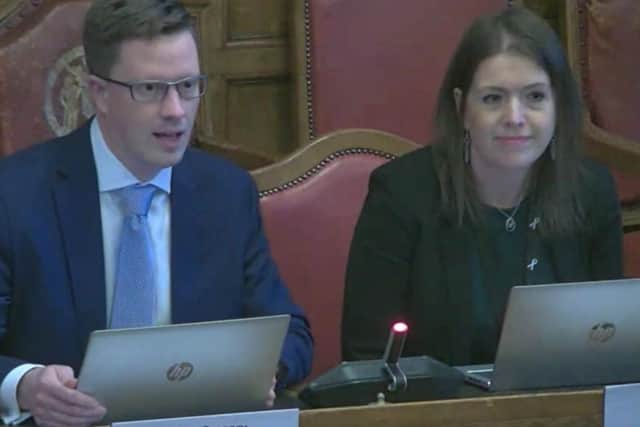

Mr Gregory said that “a series of targeted interventions” is already underway.
The rising cost and increased demand for temporary accommodation for homeless people, adult and children’s social care services and home to school transport for children with additional needs all continue to be major problems for the council in trying to balance its 2025-6 budget.
A six-month restriction on non-essential recruitment could make savings of £6m, said Mr Gregory. He said this would not affect taking on recruits for essential service delivery, safeguarding roles or replacement of promoted staff.
Another £3m could be saved by keeping job vacancies open for longer than usual and planning for how to fill the gaps.
Radical
Changes to the adult social care service, which is forecast to be £31.3m overspent, are being overseen by an improvement board led by chief executive Kate Josephs.
A report to the committee said this includes conducting a “radical review of non-essential and discretionary spending”, including the use of agency staff and specialist advisors. It mentions using AI tools to help look at ways to improve efficiency.
A working group is also looking at children’s social care costs, focusing on the placements budget, streamlining services and eliminating inefficiencies in order to tackle a £15.1m forecast overspend.
Some supported accommodation could be taken back in-house by the council, rather than paying providers.
Housing repairs and maintenance are facing a £7m overspend, which the report said is due mainly to increased costs associated with supplies, services and agency staff. Streamlining and efficiency work is underway and workforce development would mean less reliance on outside contractors.
Homelessness services, including providing temporary accommodation, are predicted to be £3.8m overspent because of rising demand for help. The council is already increasing the amount of council stock that is used for this, in order to spend less on more costly B&Bs.
Confidence
The committee heard that the number of transport coach roles is being increased from five to 17. They help children and young people with special needs to build the skills and confidence to travel to school or college independently, making use of personal travel budgets.
Currently, 1,200 children and young people travel by taxi. As some students are not in school for the full day, this means they cannot travel in shared transport, so part of the effort will be focused on getting more of them into education full time, the committee heard.
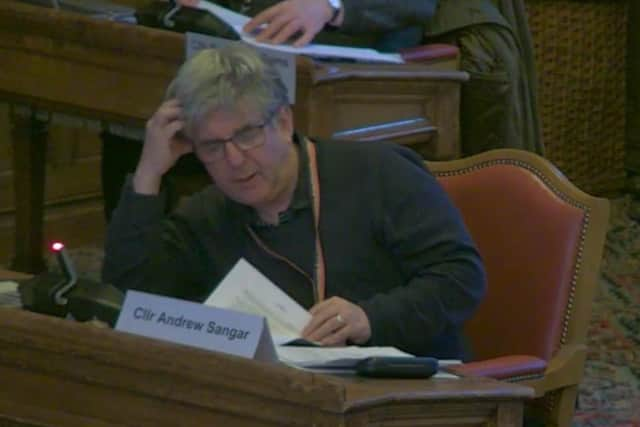
Coun Andrew Sangar said that the LibDems had argued for this policy 18 months ago. He said the savings would already have started to roll in if other councillors had supported their call.
Coun Sangar said the forecast overspend was “alarming” but was pleased to hear of plans to bring it down.
Committee chair Coun Zahira Naz said: “Sheffield, like councils all over the country, is facing financial pressure. This is about us being really open and clear about the challenges but we are already mitigating them.”
She said the priority is to protect vital frontline services for Sheffield residents.