
Old protections refreshed for Sheffield woodlands, saving trees from lopping and felling without council’s consent
Anyone who violates a tree protection order could face a fine of up to £20,000
Councillors have voted to approve a tree protection order for five sections of woodland in north west Sheffield.
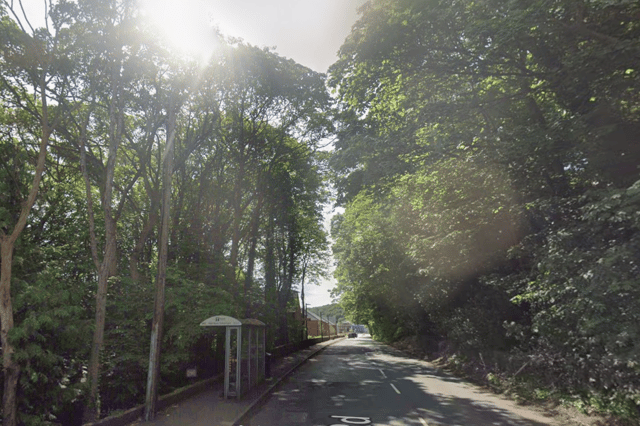

A tree protection order (TPO) was made in May this year to protect a range of trees at Oughtibridge Mill, despite one objection from a resident.
On November 11, councillors on the planning and highways committee heard this was needed because of various changes in the area since an original TPO was made in 1975.
These include new housing, trees and the shifted boundary with Barnsley.
A TPO is a legal order made by the council that makes it an offence to cut down, top, lop, uproot, wilfully damage or wilfully destroy a tree protected without the councils written consent.
Anyone who violates a TPO could receive a fine of up to £20,000.
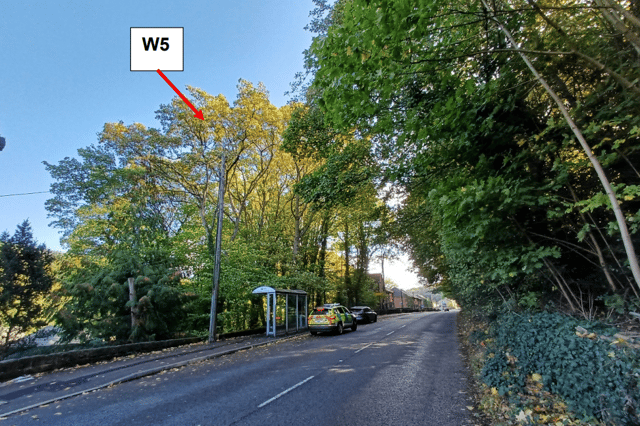
The objector requested that seven trees next to their property in one of the woodlands be excluded from the TPO, claiming that they regularly shed large branches and drop wet leaves on the footpath.
They wrote to the council sharing concerns over the impact on their house and the implications of managing protected trees, such as the cost of seeking professional advice.
The resident said they did not want to stop the TPO, but wanted amendments to the areas included.
The council recommended the area covered by the TPO should not be amended, saying the trees "significantly pre-date the housing development"
A report to the committee states the TPO does not prevent reasonable tree management, and does not prevent works needed to make the trees safe.
For example, dead branches can be removed and urgent work to remove "immediate risk of serious harm" may be carried out without consent.
The council must be contacted for other work, which is considered on individual merits.
In a letter to the objector, the council's tree officer Jonathan Galley explained that removing trees from protection could leave part of the woodland vulnerable to more extensive works in the future.
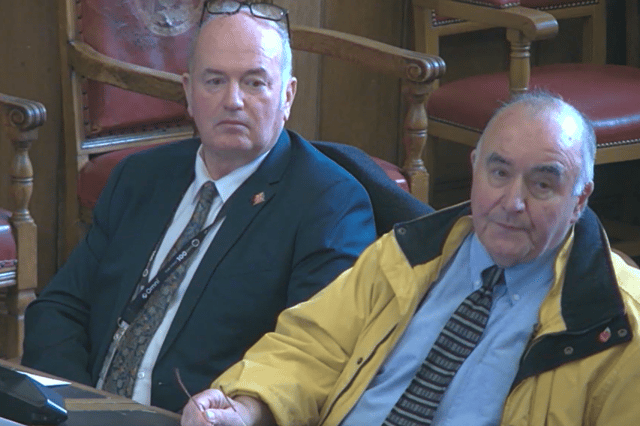
Councillor John Hesketh said he felt sorry for the "poor householder fearing the tension up against the big body" of the council.
He said reading between the lines of the objection letter, he thought the householder who raised the issue "clearly doesn't want to have this tree felled".
"All he or she wants is to live without the danger of branches or trees falling, without the difficulty of leaves piling up."
Coun John Booker said: "The issue I read in the report is the density of the leaf fall on the footpath. It is a bit of a danger.
"The footpath is next to the property and leads to a bus stop and a public house. When I walked on it the other day, it was very dense with leaves. I think that's the main issue."
He asked if the council could get highway maintenance to have that cleared on a regular basis while the leaves are falling.
Chair of the committee, Coun Mike Chaplin, said the council's contractor could be contacted to request additional street cleaning.
Officers confirmed the responsibility for fallen branches would be down to the tree owner, but the council could request branches to be trimmed if they overhung or obstructed roads.
- RELATED: ‘City of Sanctuary’ status for Sheffield renewed
- RELATED: Road closed in both directions after early hours incident
- RELATED: 24 mobile speed camera locations to be used in Sheffield due to community concerns
- RELATED: Sheffield drug dealer caught with sheets of Class-A painkillers & seizure medication