
"It's a wind-up": Farm educating Sheffield’s most disadvantaged concerned for future after lack of council investment
“If Whirlow didn't exist, what would happen to the kids that come to Whirlow? They wouldn't be going to school, they wouldn't be going anywhere”
A provider of alternative education in Sheffield is concerned about its future after feeling the council is “taking places like us for granted”.
Whirlow Hall Farm Trust is an ‘alternative provision’ (AP), a provider of education for school children outside of mainstream settings, for young people who would otherwise be absent from school.
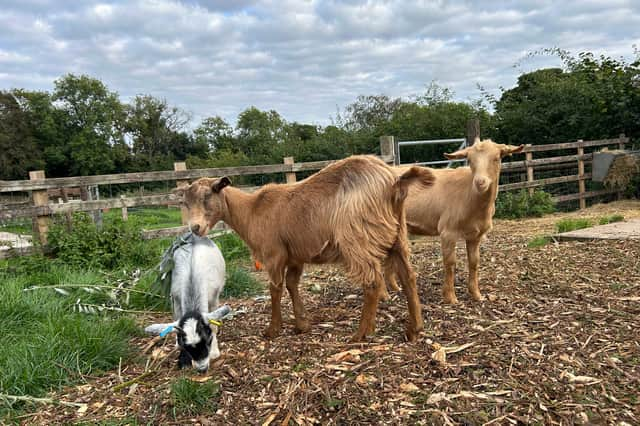
Two members of staff can host four young people a day on the farm, with a curriculum of animal care, cooking, creative skills, conservation work and life skills, with potential for some academic qualifications too.
Young people, usually with anxiety, autism, special educational needs, difficult or traumatic home lives, are referred through their school, but Sheffield City Council controls those referrals and funds places like Whirlow per pupil per day.
However, Ben Davies, CEO and John Gray, head of education and development, are concerned their value in helping “the city’s most disadvantaged children” isn’t recognised.
From what they understand, a nearby special school gets three times what they get paid for taking pupils.
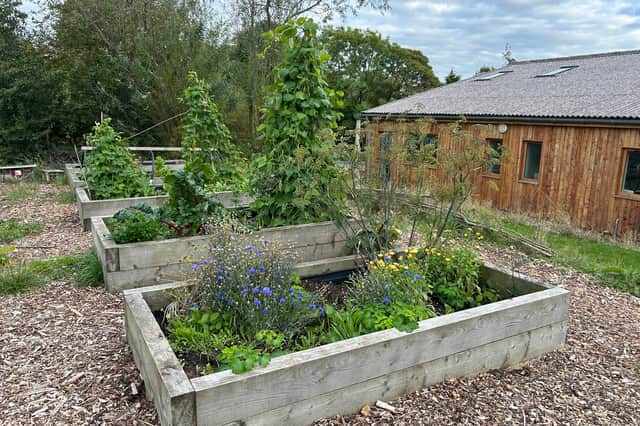

Mr Davies said: “It is a wind-up, because we are working with kids that not even some special schools are managing to work with properly. We're the ones getting them back into school. That's what the whole network, what alternative provision (AP) is about.”
In late July, just before the end of the academic year, the council told Whirlow Hall Farm Trust there will be no increase in funding next year, despite the fact that their costs are going up.
Mr Davies said: “When the council put council tax up by 4.99 per cent, there's no recognition that the same pressures apply to a place like Whirlow.

“This doesn't feel like a great way of ensuring quality or to get good outcomes for the young people.
“Some of the AP network just aren't going to be able to survive, or they'll start cutting corners because that's the only way.”
Mr Davies finds the council's approach “take it or leave it in terms of funding” and is left confused how the rates are worked out.
He once asked for 100 per cent business rates relief, which the council has discretion to give, but the response was “essentially we weren’t financially insecure enough.”
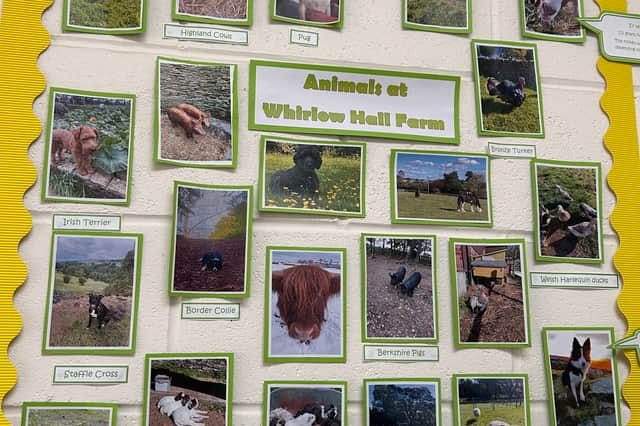
“If Whirlow didn't exist, what would happen to the kids that come to Whirlow? They wouldn't be going to school, they wouldn't be going anywhere.
“If it's being here that works for that group and we don't exist, well, there isn't an alternative because the system hasn't designed an alternative.”
Mr Gray told a story when he worked with a child who hadn’t been to the special school they were registered at in a very long time.
He said: “They were extremely unfit. They couldn't walk up the hill without having to sit down on a chair.
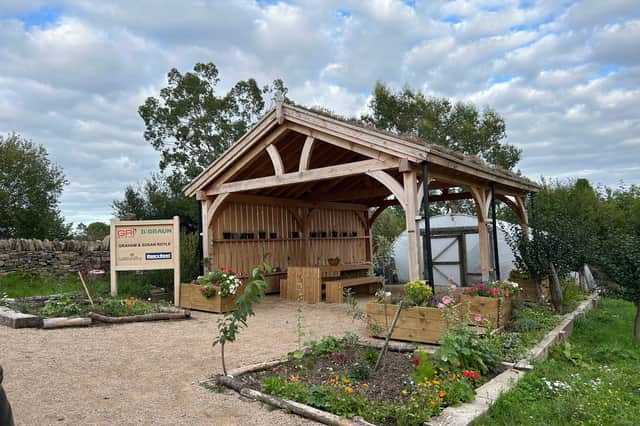
“We started very, very gently on half a day a week. We built them up and they managed to do a whole day. And then we actually got them to do a second day.
“Over the period of two years or so, that child ended up going to school three days a week and then was here two days a week.
“You can see, that is re-engagement.”
Mr Davies stressed that well funded AP also makes economic sense.
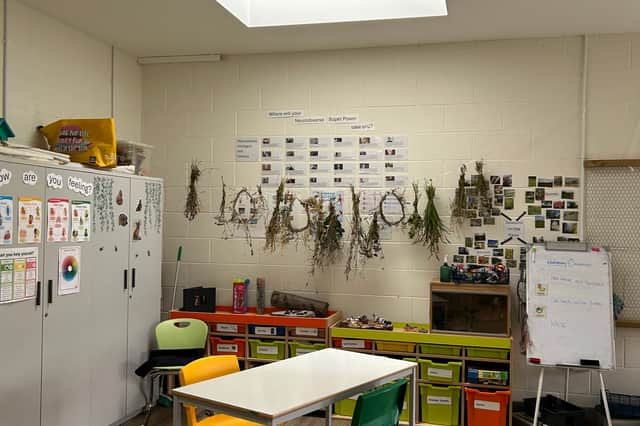
According to the Institute For Public Policy Research, excluding a child from school can cost the taxpayer around £370,000 over their lifetime for things like education, benefits, healthcare and criminal justice.
Even though he knows there are lots of young people in Sheffield who need AP places, Mr Davies said Whirlow are only operating at 75 per cent of capacity because they haven't been referred to efficiently.
Recently, Mr Gray spent over a week filling in the paperwork for a new ‘therapeutic AP’, but Whirlow Hall Farm Trust has not seen “a single child” on that tender.
“Who's come up with this then? And why are the schools not taking advantage of it? If they said that it was a problem that needed to be solved?" Mr Davies asked.
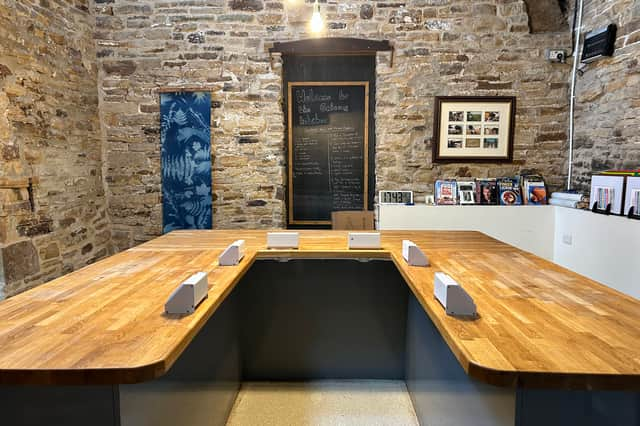
Sheffield City Council is currently reviewing the AP network and Whirlow Hall Farm Trust feel change is on the horizon, but they don’t yet know what it could look like.
They are concerned if AP will has to become more professional, the Ofsted framework of assessing academic achievements, for some of the kids they support “that just won't be possible”.
They see success in other, less easily measured ways.
“I think they could be a lot more sympathetic to our pressures on us,” Mr Davies said.

He said his staff work with “the same exhaustion” as teachers, without the pay, pensions and perks.
“When they come to work with the most disadvantaged children, the children that are going are slipping through the cracks very, very easily. There is, it doesn't feel, the value is there.”
Mr Davies wants to ensure sustainability for Whirlow Hall Farm Trust's future.
He said: “Are we in a good position, or are we suddenly going to find a tap gets turned off and we're left going, what are we going to do now?”
A council spokesperson said: "Sheffield City Council recognises the important role alternative provision plays in finding the correct education setting for children who for whatever reason cannot attend mainstream education settings.
"We advise providers of AP that they should be regulated to attain the best possible provision. This is because schools are more likely to refer young people to them if they are part of the council’s quality-assured framework and part of the brochure of providers the Council sends to schools.
"The council has co-produced a new strategy to improve how alternative provision operates across the city. This has involved engagement with more than 80 stakeholders over a three-month period.
"It will be brought before next month’s Education, Children and Families Committee meeting at Sheffield Town Hall on Tuesday 3rd November for approval.
"If the new strategy is approved, market engagement events will then be held across November and December.
"Any potential and existing providers would be invited to be part of these events."