
Debate over future of funding Sheffield tenants’ associations as money lies unspent
A weekly levy on Sheffield council tenants to fund tenants’ and residents’ associations is set to continue at 10p a week, despite calls for a rise by some groups.
Sheffield City Council has been looking at the issue of the levy and what should happen in areas where there are no tenants’ and residents’ associations (TARAs) to spend the money collected. This is known as the residual levy and in some areas totals more than £100,000.
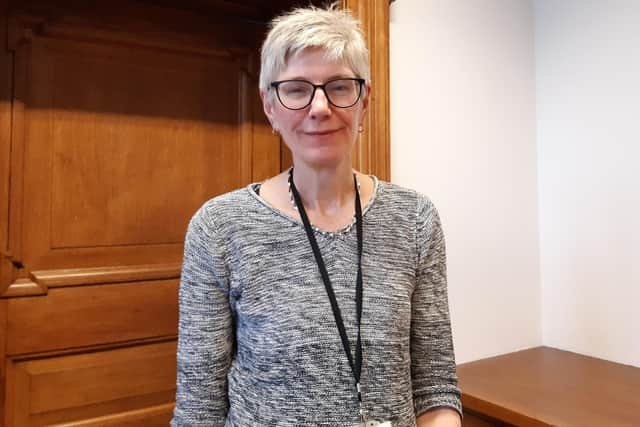

A meeting of the council’s housing policy committee last Thursday (September 18) agreed to look at how best to ensure spending of the residual levy in consultation with tenants.
Tenants have already been consulted on whether the levy should increase to 15p or 20p a week, if those in areas with no TARA should continue to pay it and whether the council’s Housing Revenue Account (HRA) be used to pay the levy on behalf on tenants in rent arrears.

The 840 responses showed that tenants don’t want the levy to be increased, want the council to continue to collect the levy in all areas but think the council should stop paying it for those in rent arrears.
As further consultation and engagement is planned, councillors made no immediate decision on raising fees or changing the system. However, they will look at working with the 40-plus TARAS in Sheffield on ways to increase their funding.
Petition
One TARA called a year ago in a petition to the council for the levy to increase so that it could better serve the local area. This position has also won backing from some other TARAs and councillors.

Tenants will also be advised that they can opt out of paying the levy. This is already being pointed out to new tenants.
Councillors heard that a scheme to ensure the residual levy is spent to benefit areas with no TARA, which are currently missing out, has been piloted in the north-east of the city. If successful, it could spread citywide.
Community groups could apply to a local panel to get grants from the residual levy for the area.
Firth Park ward Coun Fran Belbin, part of the area where the pilot scheme was in action, said: “We absolutely must get that residual levy out to the people who have contributed it. I think that’s really important.
“The way it is accumulating is not how it should be.”
Share
She said her ward has five TARAs and four get their share of the levy but other parts of the ward are not covered by a TARA. The TARA missing out has been unable to hold an annual meeting in recent years, which is needed to qualify.
She said that groups that applied for the residual levy funds aren’t necessarily active in areas of the ward, such as Longley, which don’t have a TARA.
“What I’d like to see is that funding being used to perhaps generate some interest from people in that area that might potentially grow into a TARA in the future and really think about how to apply that funding in that area.”
Director of housing James Clark said that parts of the city are no longer covered by TARAs, which needs to be addressed. He said that further engagement with tenants is needed to find out what lies behind their views.
Coun Alison Norris said that the issue has been “rumbling on for more than a year now” and councillors want the residual levy to be used.