
Council orders spending clampdown as £3.4m overspend forecast

Rotherham Council is clamping down on “non-essential” spending, delaying recruitment where possible and pushing services to maximise grant income as it tries to rein in a forecast £3.4m overspend this year.
A financial monitoring report going to Cabinet next week shows the council’s budget position has worsened since September, largely due to rising costs in children’s placements and adult social care.
The report, which looks at spending and income up to the end of November, warns that even with tighter controls, the authority may still need to use reserves to balance its books by the end of the 2025/26 financial year.
Council finance officers say directors across all departments have been instructed to take “all steps” to reduce the pressure on budgets, including restricting non-essential expenditure, delaying recruitment where possible and ensuring grant funding is fully maximised.
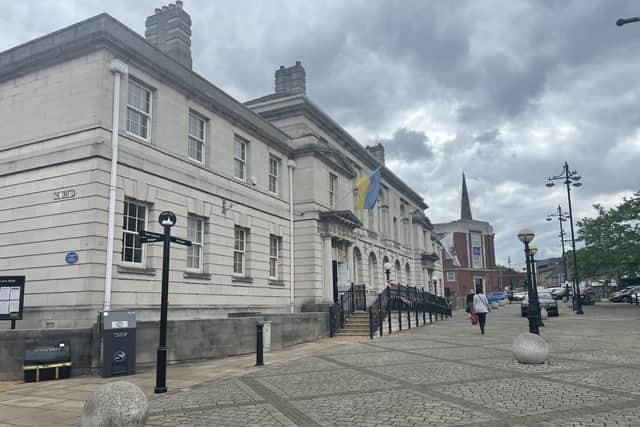

Rob Mahon, the council’s assistant director of financial services told a meeting of the overview and scrutiny management board yesterday (Jan 13) that pressures from social care placements were the main driver of rising costs, linked to increasingly complex care needs, higher market prices, inflation and growing demand, with knock-on effects also being felt in areas such as home-to-school transport and special educational needs.
Mr Mahon added that waste management budgets had been under pressure this year due to the impact of the route optimisation programme, but added it was now in a stronger position and did not expect the changes to create financial pressures in 2026/27, with the full planned savings expected to be delivered.
The overall forecast overspend of £3.4m is made up of an £8.7m overspend across council services, offset by a projected £5.3m underspend in central budgets.
The biggest pressures continue to come from social care. Children and Young People’s Services is forecasting a £4.9m overspend, driven by the cost of residential placements, while Adult Care, Housing and Public Health is forecasting a £4m overspend due to the cost and complexity of care packages.
The report also highlights the impact of the national local government pay award, agreed at 3.2 per cent, which is expected to cost the council £2.3m more than originally budgeted. Officers say the council has no control over the level of the pay award.
Mr Mahon added that more than 60 per cent of its core services are now funded through locally raised taxes, reflecting a significant reduction in the share of funding provided by central government. He said councils were now looking ahead to the Government’s Fair Funding Review, a major overhaul of how national funding is shared, which is expected to place greater emphasis on areas with higher levels of need and demand.
He added: “I think we’ll bring that back significantly before the end of the financial year and hopefully minimise any use of reserves. The Fair Funding Review is the most significant change in how local authorities are funded and represents a shift towards a clearer needs-based system, which we anticipate will be a positive change for the council.”
Despite the pressures, the report says progress is being made on delivering savings. Of the £7.494m in savings required for 2025/26, £6.918m has already been secured, with the remaining £576,000 still to be delivered.
Cabinet members are being asked to note the forecast overspend and the steps being taken to manage it, alongside updates to the council’s capital programme, which has seen a number of major projects delayed into future years.