
Cladding scandal: University of Sheffield research highlights devastating mental health impact
University of Sheffield researchers highlighted the devastating impact of the cladding scandal on the mental health of leaseholders in a study featured by the BBC.
Leaseholders with flammable cladding are still suffering the fallout of the Grenfell Tower fire four years on, with mounting issues being found and soaring costs.
The new study – which is featured in a BBC iPlayer documentary ‘Britain’s Dangerous Buildings – Is My Home Safe?’ – found widespread negative impacts on wellbeing, with the threat of financial devastation often driving mental harms and outweighing the risk of a fire for many.
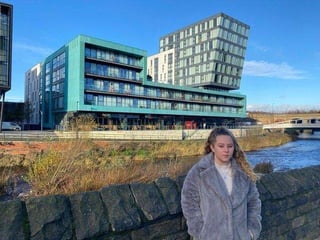
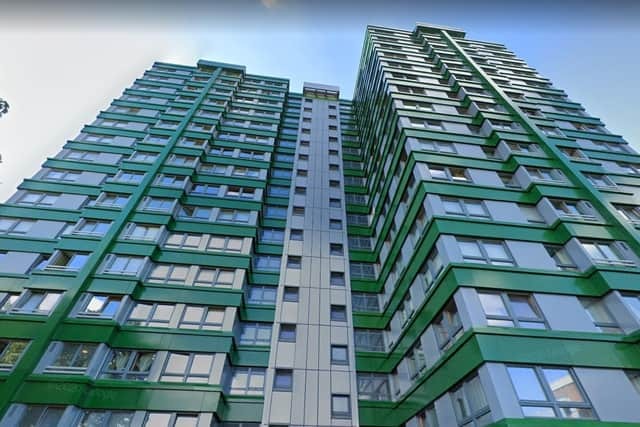

Researchers interviewed leaseholders for the first time about the impacts on their mental health and found this ranged from key life events being put on hold – such as retirement, starting a family and moving for work – to changes in how individuals felt about themselves and their place in society.
The stress has led to several leaseholders experiencing suicidal feelings.
Dr Jenny Preece, of the UK Collaborative Centre for Housing Evidence at the university, authored the study.
She said: “In 2020, the Housing, Communities and Local Government Select Committee said the physical and mental health impacts of the building safety crisis were tantamount to ‘a public health crisis’. The Covid-19 pandemic has only intensified these negative impacts, and the longer leaseholders remain in limbo the worse the outcomes are likely to be.
MORE PROPERTY: New cladding planned for Sheffield tower blocks after fire risk assessment finds 'combustible materials'
“Speaking with those affected, our study clearly shows the widespread and severe impacts on leaseholders’ mental wellbeing. These impacts do not just exist today, but in some cases will fundamentally affect people’s lives for the long-term, even before any bills for re-mediation work have been received.”
Academics called for clear and decisive action from the Government in light of the findings.
Dr Preece said: “Many leaseholders felt completely let down by government action to-date. It is now urgent that the Government takes action to identify, prioritise and re-mediate buildings, commit to funding comprehensive repairs in all building types, and hold to account those who are responsible for this national scandal.
“The ad hoc approach that we have seen to-date is not working, and we quickly need new action to protect leaseholders from unaffordable re-mediation bills. There is a cost to doing nothing, not just to individual leaseholders in terms of their mental wellbeing, but to wider society as well.”
Dr Will Martin, of the UK Cladding Action Group, said: “The report is a shocking indictment of the Government’s handling of the scandal to date. Four years on from Grenfell thousands of innocent leaseholders are mentally and physically exhausted by the constant threat to life that living in such buildings bring…
“Leaseholders don’t want anymore ‘sticking plasters’, they want robust solutions to a problem they had no hand in creating, yet currently seemingly find themselves entirely responsible for.”
A DLUHC spokesperson said: “It is unacceptable and unfair that leaseholders are facing excessive bills – they are innocent parties in this and we recognise the impact it can have on their mental health. As the secretary of state has made clear, we are committed to ensuring they are supported and we will be setting out further proposals in due course.
“Building owners and industry must make buildings safe without passing on costs to leaseholders. Most blocks of flats are safe and do not need expensive works, and we continue to drive extreme risk aversion out of the market, by encouraging a more proportionate, evidence-based approach from lenders and insurers.
“We’ve already provided over £5 billion to fix unsafe cladding on the highest risk buildings and we are making improvements to building safety regulation to protect future homes.”
What is the cladding scandal?
Following the Grenfell Tower tragedy, buildings nationwide were re-inspected and this found commonly occurring problems with sub-standard fire safety.
As a result, many leaseholders are now facing potential financial ruin by property managers and freeholders who are seeking to recover costs for building repairs from leaseholders.