Miners' Institute and the people it represents deserves better than to be left in ruins
It was really re-assuring on a recent Friday to drive along Aldwarke Road and see at least six Rawmarsh and Parkgate Friends of Green Spaces clearing rubbish from the roadside beside the Park Gate steelworks.
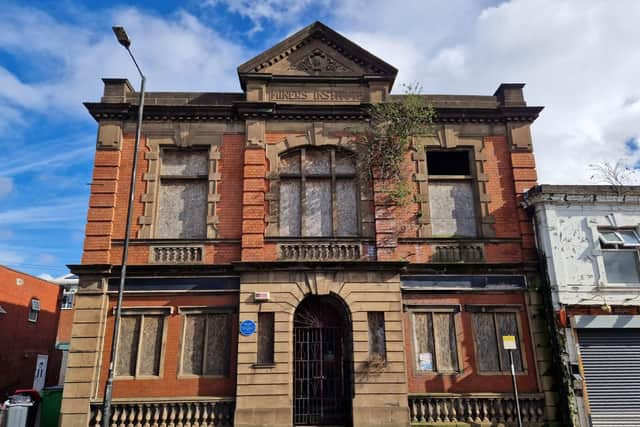
There are plenty of people living in Parkgate and Rawmarsh who care about their community and do something to make it a better place to live. Travelling on to the main Rotherham to Swinton road, and turning right into Broad Street, it is much less re-assuring to see the state of the Miners’ Institute building.
Hundreds of local residents are appalled at the sight of this historic building in such a dilapidated condition. Questions are asked about who owns it and who could let it get into such a state and the answer is very definitely Rotherham Council as confirmed by the Land Registry in recent times.
Nothing upsets the community more than the sight of the holes in the roof, the boarded-up windows and the vegetation growing out of the masonry (not weeds but large bushes). Facebook often records the feelings of many local residents concerning the building’s decay.

Our council leader said recently, "we promised residents that we’d invest in our places… People tell us they want cleaner, safer, more welcoming places to live and these improvements will make a genuine difference to day-to-day life”.
By no stretch of the imagination could the Institute be described as clean, safe or welcoming, so here is an obvious target for improvement.
In the South Yorkshire Local Heritage List the Parkgate Miners’ Institute is described as “a rare and well-preserved example of an early 20th century Miners’ Institute and welfare club. The building is of high quality and unaltered design comprising an eclectic, but harmonious, blend of Georgian, Gothic and Art Deco elements”.
The description goes on to highlight the building’s historic interest “illustrative of the importance of the coal industry”. Reference is made to the interior but refers to its ‘poor condition’ in 2022.
Under a heading of ‘Landmark Status’ the listing states “The building is the tallest and most lavishly decorated within its local context and forms a positive focal point to the street”. How can such an important building be allowed to crumble away?
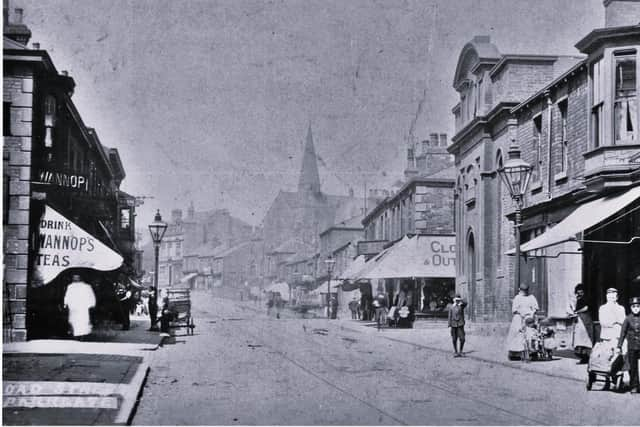
What is so upsetting to many of the older residents of the Parkgate area is that a hall on this site has been central to life in the settlement since the 1850s, not the same building but on the same site, on the corner of Hall Street and Broad Street.
It was certainly the main indoor public place for the community for over 150 years. The history of the hall on this site provides a fascinating insight into the very centre of local life right back into Victorian times, back to the era of the original Crystal Palace.
Hall Street, beside the building, is now sadly truncated but was originally laid out in the 1860s and 1870s. There were no less than 42 miners living in the street in the 1881 Census. The first hall was built as a Temperance Hall and the foundation stone was laid be Samuel Beale of the local ironworks and one of the principal subscribers to the building fund.
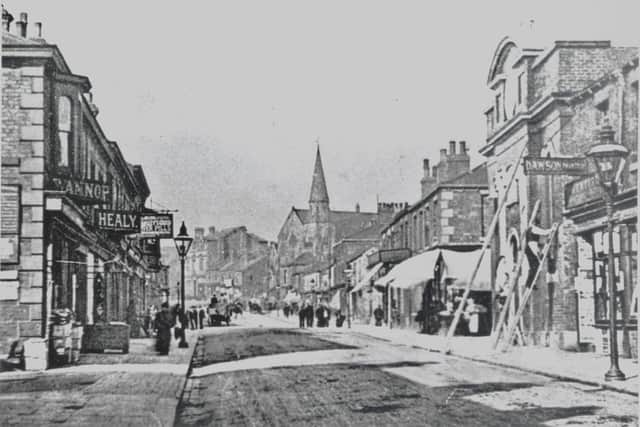
It cost £455 to build and was for several decades a key public space in Parkgate.
The Miners’ Association bought the Temperance Hall in 1891 having leased it from 1882. A Sheffield newspaper reported that following the sale “the Hall had been cleaned and re-painted by the members themselves at the cost of about £20 and it is proposed to form a library and a reading room in connection with it”.
It operated as the key public indoor space for many years, not just for miners’ groups but for all sorts of community events. There are frequent mentions of political meetings in the Hall and in 1892 the Liberal Sir Edward Grey addressed a meeting there. (He later became famous for one of his utterances just before the Great War started. On the 3rd August 1914 he said ‘The lamps are going out all over Europe, we shall not see them lit again in our lifetime’).
The community events that happened there included a cooking with gas demonstration in 1892 and later regular boxing tournaments were a feature. In 1905 T. Clarkson of Rotherham beat T. Hall of Swinton in a bout that earned him £30.
Salvation Army meetings were sometimes held there and gatherings of local Spiritualists. Key meetings linked to the pay and conditions of local miners took place there including repeated demands for a reduction in daily working hours from eight to seven.
In 1935 the very first production of the later renowned Parkgate Operatic Society took place in the Hall when they presented a very well-received ‘Merrie England’.
Dog shows and gardening shows were often based there and in 1938, a more worrying and modern event, a talk by Major McKenzie on the possible dangers of air raids. Early in the Second World War a jumble sale was advertised there to “provide necessities for the Home Guard”.
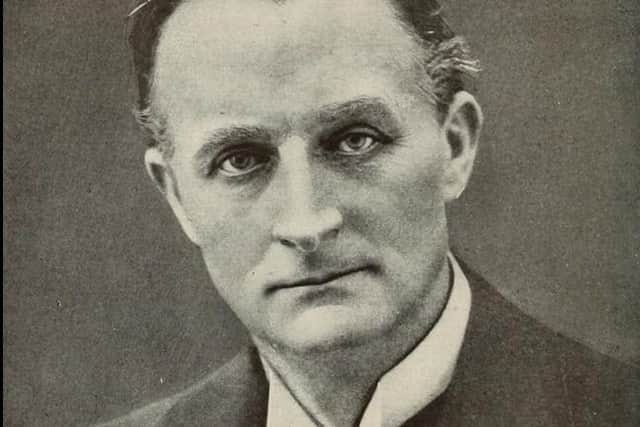
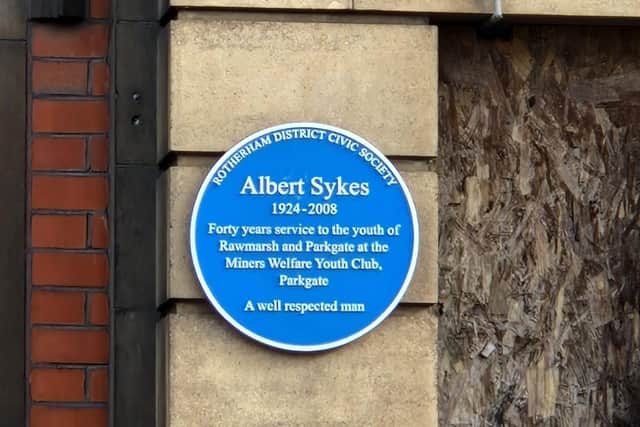
In more recent times the Institute was especially associated with the Parkgate Youth Club and many older local inhabitants remember with great affection, the inspiring work of Albert Sykes in running the club.
He warned the local lads “Don’t step out of line” and out of respect for him, they did not. He is remembered by a Rotherham and District Civic Society ‘Blue Plaque’, mounted in 2023 on the front of the building. Such an iconic building, linked to so much of Parkgate’s history over the past 150 years, must surely be saved for the future.
One final and pressing reason for making great improvements to the Miners’ Institute focus on a special and precious item found inside the building, a very significant marble monument mounted in the Institute building in 1904 and dedicated to seven local miners who died in a tragic pit-cage accident at nearby Aldwarke Colliery.
A newspaper report from soon after the accident stated “In accordance with the decision arrived at by the miners employed at Aldwarke Main No. 1 Branch on Feb 24th last, a tablet will be placed in some conspicuous position in the Miners’ Institute in memory of the seven men killed in the disastrous cage accident… When finished it will be a splendid work of art, and the miners will have a memorial of which they may well feel proud, although it will keep alive sad and mournful thought in connection with their departed comrades”.
In a community that used to be surrounded by local pits like Aldwarke, Roundwood, Warren Vale, New Stubbin, Low Stubbin and Top Stubbin, where many local families have miners recorded in their family trees, it is hard to think of the memorial today surrounded by dirt, dust and rat and pigeon droppings without understandable feelings of disgust and disappointment.