
Derbyshire has long been known for its culinary heritage.
It is particularly famous for the accidental invention of the Bakewell Pudding, created in the nineteenth century, but there is much more to be discovered in the food and drink heritage of Derbyshire – including savoury Derbyshire Oatcakes and its central role in the production of world-class Stilton.
In the Peak District, little else could be cultivated other than oats and for centuries locals lived on oatcakes and other oatbased goodies, such as lumpy tums and thar cake.
Further south, the fertile pastures were suitable for dairy cattle. Cheese-making developed into an industry here with Derbyshire cheese being sold throughout the country, including Sage Derby and later Stilton (it is one of only three counties where it can be made).
In the seventeenth century Chesterfield and Derby gained reputations for brewing and today Derbyshire has one of the highest concentrations of breweries in the country.
Food historian Mark Dawson takes a culinary journey of the county in his new book – Lumpy Tums Derbyshire's Food and Drink.
Mark said: “When I mentioned I was writing this book, the reaction of many of my friends was to ask what traditional foods there were from Derbyshire, adding after a pause, besides Bakewell pudding. Bakewell pudding is certainly the most famous food to come from Derbyshire and it would be egregious not to include it here, although I’m wary of stepping into something of a minefield in discussing its origins and the various myths that have grown up around it. There are, however, many other foods (and drinks) with venerable traditions that were developed in Derbyshire.”
Mark looks at regional fare and dishes that have characterised Derbyshire over the years.
Alongside its traditional food festivals and products, the county boasts diverse food and drink markets and well-known producers and cooks.
Notable businesses featured in the book include Skidmores of Bakewell. The family shop traded as licensed dealers in game from 1919 until they closed in the 2000s. Their shop was an entertaining sight with game hanging from a rail above the window and boxes of fruit and vegetables for sale underneath.
In Chesterfield there were three main breweries: Brampton, Chesterfield and Scarsdale. Brampton Brewery was re-founded in 2007 and now has several pubs in the town as well as a shop and a brewery tap.
Lumpy Tums, by Amberley Publishing, can be purchased here https://www.amberley-books.com/lumpy-tums.html
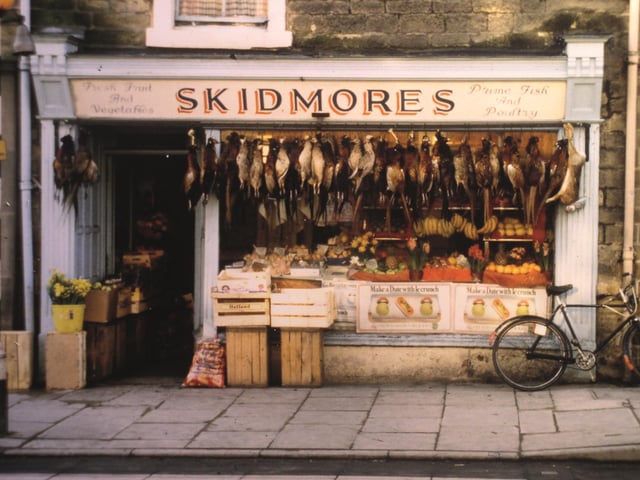
1. Skidmores of Bakewell
Skidmores of Bakewell. The family shop traded as licensed dealers in game from 1919 until they closed in the 2000s. Their shop was an entertaining sight with game hanging from a rail above the window and boxes of fruit and vegetables for sale underneath. Pictured Skidmore’s shop in the 1970s. Photo: Bakewell Old House Museum
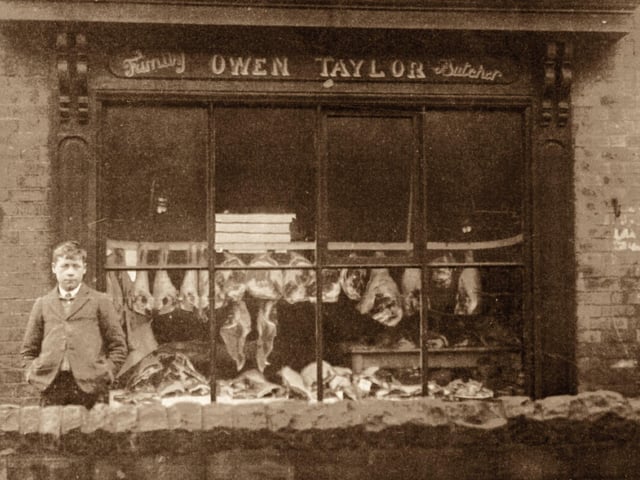
2. Owen Taylor & Sons
Owen Taylor’s first shop at Leabrooks in 1926 with Owen Taylor’s younger brother George. (Owen Taylor & Sons Ltd). Photo: Owen Taylor & Sons Ltd
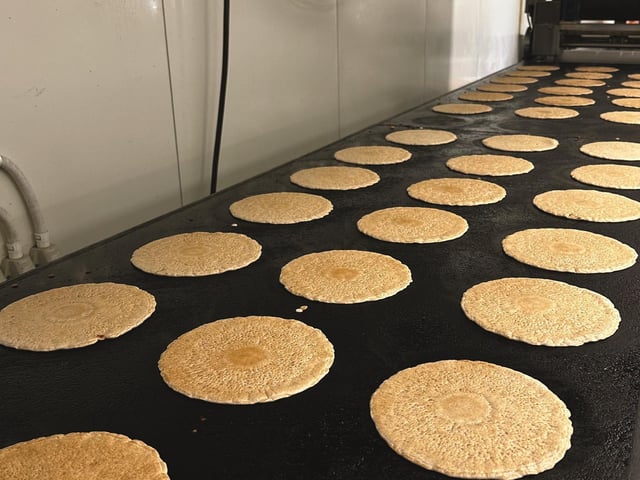
3. Derbyshire oatcakes
In 1941, the Derbyshire Times printed the recollections of Ann Flint of Tideswell on the occasion of her ninetieth birthday. She had worked at Litton Mill as a girl where the chief diet was oatcake, as it had been for the apprentices nearly a century before. Pictured Derbyshire oatcakes being baked by the Derbyshire Oatcake and Pikelet Company. Photo: Charlotte Dreon, courtesy of the Bakewell Bakery
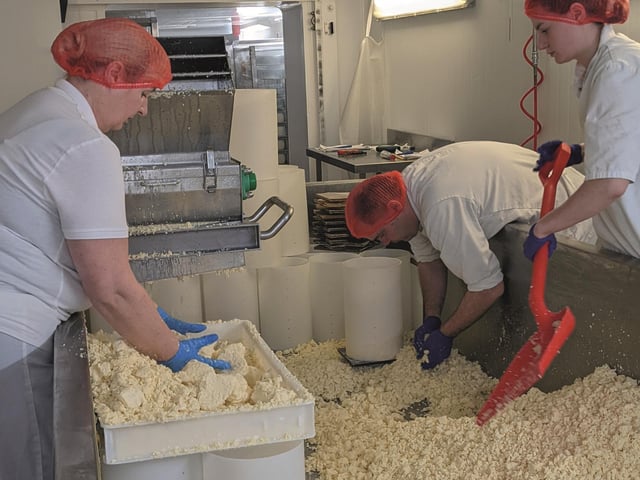
4. Stilton making
Stilton cheese being made at Hartington Creamery. Derbyshire is one of only three counties in England where Stilton can be made. (Hartington Creamery Ltd).jpg Photo: Hartington Creamery Ltd