
We are all in it together but how fair are proposed changes on pensioners and are there better options?
With the state pension due to exceed the personal allowance next year, the debate over how to protect older people’s incomes has sharpened, alongside wider questions about tax relief, borrowing and government spending, writes Sheffield money expert Lucy Kelgate
We have endured the political party conferences, heard the posturing and the promised future. The noise, the confusion, the lack of clarity and at the end our futures in a state of flux, in that it is difficult to understand the decisions we need to make, and struggling to have confidence to make conclusions.
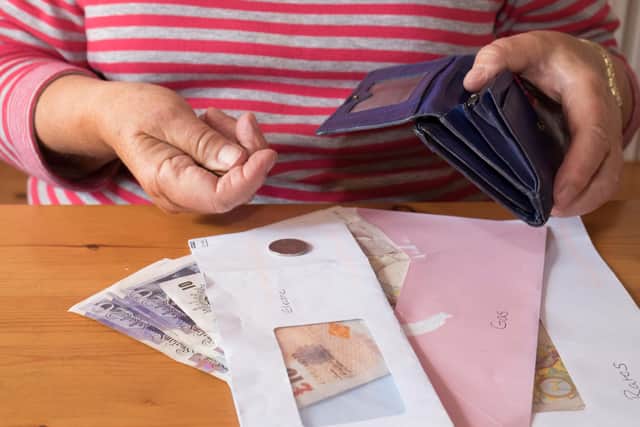

The state pension triple lock featured in most of the of the conferences; this may be unaffordable, with debate continuing on this, but, let us not forget the emotive discussion, with the personal inflation rate for the elderly being invariably higher than those who are still working.
Less ability to be active means that reliance on heating the home, expected to increase by further 20% in 2027, food increasing due to this year’s heatwave, Ukraine, and El Nino. Many of these pensioneers are also tenants, rather than owning their own property, where for some, the increased rents are taking accounting for all of the value of the state pension paid.
Currently not every pensioner gets the same level of state pension; those who retired at 6th April 2016 get a higher level. Is this discrimination? Could claims be forthcoming to make all pensioners equally paid, this on the back of the WASPI claims?
Next fiscal year it’s likely that state pension will exceed the personal allowance, with Government stating that those reliant on this payment as their only income will be exempted from paying tax.
How this is going to work, with the additional administration burden/costs to HMRC disregarded. By increasing the personal allowance to equal the state pension, there is a win, win. Less administration costs for HMRC, and more disposable income those still working to assist in higher fuel and food.
The personal allowance, £12,570 has been unchanged since 2021, with no proposed changes through to 2031. If inflationary increases are applied it would be around £17,470 by then, with the 40% threshold £70,370, not £50,270.
In 2026/2027, the OBR estimates £1.304 trillion In Government receipts, against £1.419 trillion of spending. This means borrowing roughly every 8p of every £1 of state spending. Welfare, currently another hot topic, is forecast to cost £352.8 billion, with debt interest £109.4 billion. This sees our ageing population competing for the same limited fiscal space. Burdening national debt is forecast to increase significantly, and pivotal to the low-growth doom loop, culminating in more future fiscal pressure.
The cost of the triple lock is estimated at £16 billion; is there another way to consider protecting the income for our elderly?
One less obvious tax relief is on private pensions payments being made now, costing the exchequer about £83.9 billion annually. Of this circa 71% of that tax relief goes to higher and additional-rate taxpayers. Tax relief over basic rate, is around £15 billion a year. Only a billion less than maintaining the triple lock! So, the question is why is the political debate focused on restraining the incomes of pensioners rather than on reducing tax subsidies for people already able to accumulate substantial private wealth?
Confidence in being able to plan your future, is key. The complexity of confusion is having a divisive and negative effect, making us unable and/or unwilling to commit to spending, the necessity to get the UK economy emerging towards ‘Growth Britain’.
The reflection of any nation is how we protect and look after our aging community. Is it correct that we strike fear into them as to how they can survive their retirement, the longest holiday they are going to have?
The first line of the PM Andy Burnham's speech at the Labour Party conference was “We are all in this together”. Are we?