
Sheffield doesn’t need to prove it’s a city of culture – but it desperately needs to win
Sheffield is already a city of culture - but now we need everyone else to know that too
I recently heard Sheffield referred to as the ‘sticky city’.
Aside from the questionable phrasing, I tend to agree.
After six years here, the culture and spirit have made it impossible to leave.
Seeing Sheffield make the final four in the race to become UK City of Culture 2029 feels deserved.
Winning would not make Sheffield a city of culture – we know that already. But it would give us the chance to show the rest of the country what the city of steel has forged into the modern day.
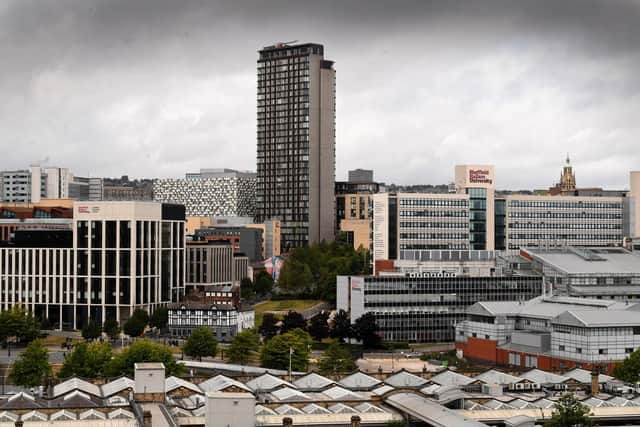

John McClure, frontman of Reverend and the Makers, said Sheffield had “long since punched above its weight”, and of that, I have no doubt.
We have consistently produced some of the best musical talent in the country. To list the obvious, Pulp and Arctic Monkeys have taken Sheffield around the world, while the Human League helped bring electronic pop into the mainstream.
Sheffield's influence on the second biggest genre in the UK, electronic music, is also undeniable.
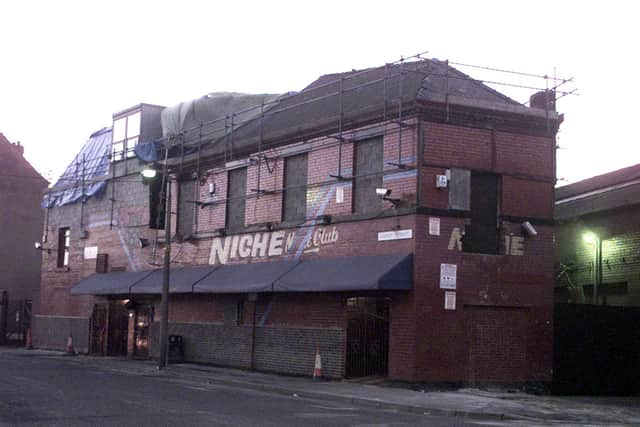
Niche helped shape the bassline scene in the 1990s and 2000s, cementing the city's place in the UK's electronic music story.
Today, that electronic music tradition takes different forms, with Sheffield-born DJ Silva Bumpa taking his sound to audiences far beyond Yorkshire. Meanwhile, newly opened WaterBear College of Music is helping nurture the next generation of musicians and producers.
Perhaps the closest we have come to the recognition we deserve is the stream of visitors who arrive for the World Snooker Championship but Sheffield has far more to offer than one theatre and one tournament.
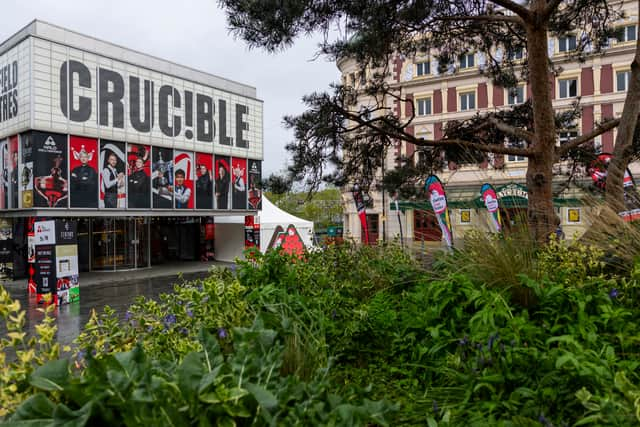
Our theatre scene itself is one of the strongest in the country, with the UK's largest regional theatre complex.
And for Sheffield artists, Yorkshire Artspace provides affordable space for the city's burgeoning talent.
Beyond the venues and galleries, Sheffield’s culture seeps into the neighbourhoods and communities themselves.
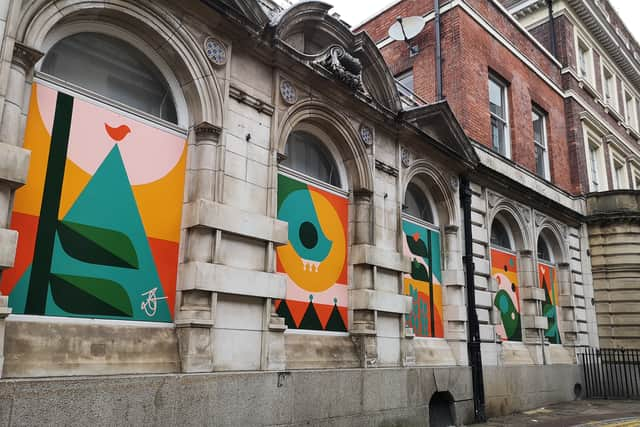
Just look at our street art – whether you love it or loathe it – and the character it brings to our everyday city walls.
That same sense of identity runs through Sheffield’s sporting culture, too.
The city helped give birth to modern football, and with it, the fierce rivalry between Wednesday and United.
The Sheffield Steelers continue to make their mark on ice hockey, while boxer Naseem Hamed put Sheffield on the map in the ring.
Spend more than a year here and you might find yourself taking up climbing, too, with the Peak District right on our doorstep.
And who could forget Olympic champion Jessica Ennis-Hill, another product of Sheffield’s sporting legacy?

Yet, for all this, we have built our cultural identity without the investment or attention enjoyed elsewhere.
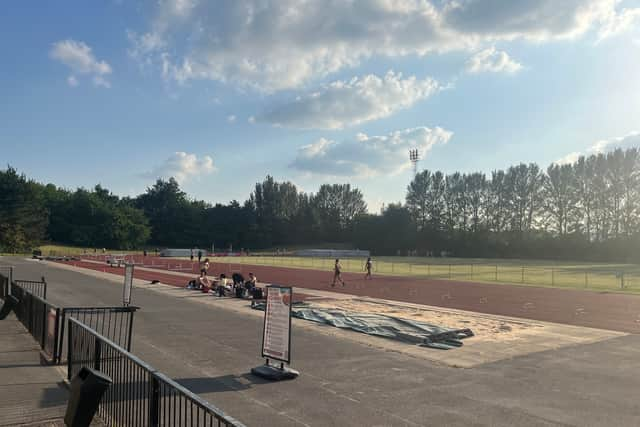
Sheffield has produced a world class Olympian, but has just one public athletics track.
We have incredible musical talent, yet venues - like Hope works and Tank - continue to close.
How are we supposed to keep producing the next generation of artists, musicians and athletes if the spaces they need to develop are disappearing?
The council's cultural audit shows a sector with real potential, but one facing significant challenges.
Between 2017 and 2021, employment and employee numbers in Sheffield's cultural and creative industries increased by between 15 and 20 per cent.
Arts Council funding figures also reveal a striking gap between Sheffield and other cities.
Between 2023 and 2026, funding through its National Portfolio Organisations and Investment Principles Support Organisations amounted to £6.59 per person each year in Sheffield.
In Leeds, the equivalent figure was £35.65, while Manchester received £44.60 per person through the same funding streams.
A city's reputation for producing talent means little if young people cannot access the spaces and opportunities they need to develop it.
Speaking on Thursday, Council Leader Fran Belbin said funding from the City of Culture investment could help create jobs and give creatives a future in Sheffield.
This is exactly what the city needs.
We should not have to watch the next generation leave Sheffield to find the opportunities they deserve.
Sheffield is already a city of culture, and we do not need an award to prove it.
But winning the title would force the rest of the country to take notice – and give Sheffield the investment to ensure its next generation of talent can flourish here, rather than having to leave to make it.