On the Wildside with Ian Rotherham: Caution urged over highly toxic thornapple plant found in UK
A highly poisonous plant, Datura stramonium, commonly known as Thornapple or Devil's Trumpet, has been identified in Yorkshire, prompting a warning about its extreme toxicity and potential dangers.
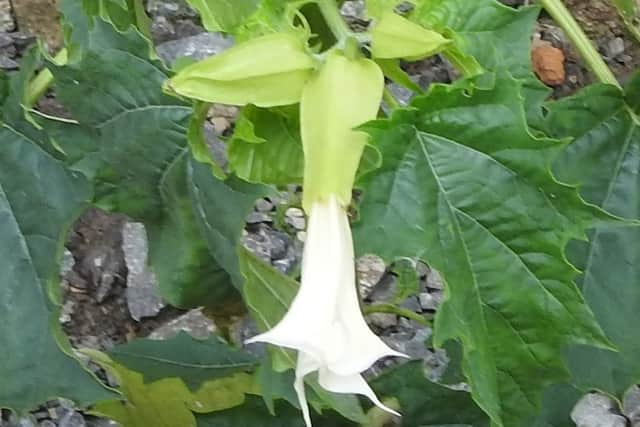
Datura plants are a group of species of very poisonous, evening-flowering plants belonging to the nightshades or Solanaceae, and commonly called Thornapples, Devil’s Trumpets, Mad Apple, and in England, Moonflower, Devil’s Weed and Hell’s Bells. Evolved to be pollinated by long-tongued moths and maybe bats, the very distinctive, long, trumpet-shaped flowers are strongly scented when they open at twilight. Their native occurrence is generally in dry, warm, temperate, or subtropical regions, and globally, their main centre of distribution is Central and South America, particularly Mexico.
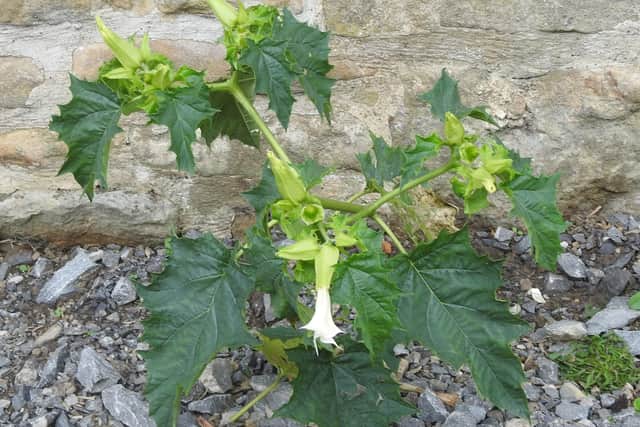

All the species are exceedingly poisonous, the seeds and flowers particularly so, with psychoactive effects. The latter include respiratory depression, arrhythmias, fever, delirium, hallucinations, anticholinergic toxidrome, psychosis, and (if taken internally) death. So, clearly these are a group of plants best avoided! Nevertheless, because of their psychoactive effects, they have been taken in association with activities such as witchcraft and sorcery.
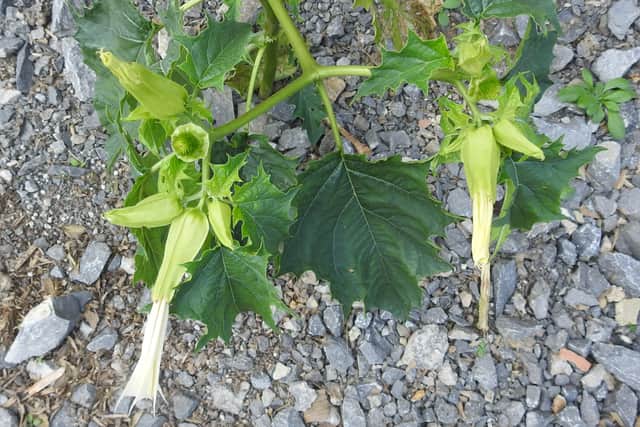
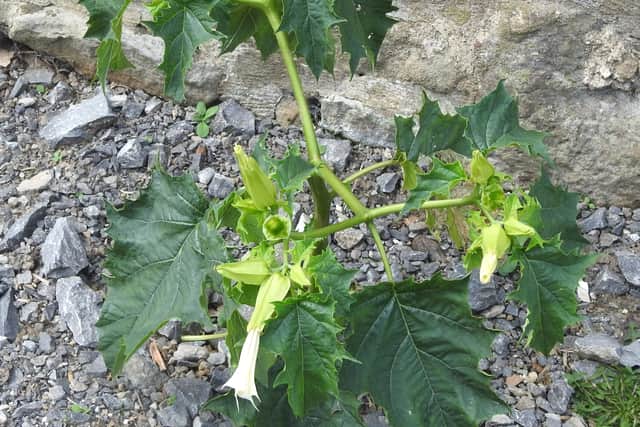
The species most commonly encountered in Great Britain is Thornapple or Datura stramonium and which contains active chemicals such as tropane alkaloids which generate the psychoactive effects, but with unpleasant and potentially very toxic side-effects. Believed to originate in Mexico this does now occur as an annual plant on disturbed ground. I have had it reported from Graves Park in Sheffield, and recently I found a specimen on a farm in North Yorkshire. They like warm weather and have seeds possibly distributed in bird droppings, which would explain occurrences a long way from any obvious seed source.
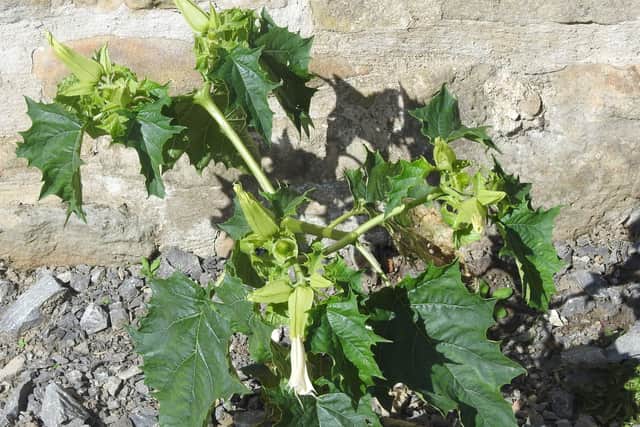
Thornapple has long been used in traditional folk medicine and for recreation, as far back as Culpeper and Gerard, with one of the active agents being atropine, the leaves were smoked in a cigarette or pipe. They are an interesting addition to local or indeed, garden, floras but take care handling or touching them and avoid if there are children or pets likely to come into contact.

Occasional accidental poisoning does occur such as in Australia when in December 2022, approximately two hundred people were taken ill after eating spinach-based supermarket foods which, it turned out, had Thornapple leaves inadvertently picked with the spinach.
Professor Ian D. Rotherham, researcher, writer & broadcaster on wildlife & environmental issues, is contactable on [email protected] ; follow Ian’s blog (https://ianswalkonthewildside.wordpress.com/ ) and Twitter @IanThewildside; BlueSky @ianthewildside.bsky.social