
"I wish I could have voted at 16 - changing the voting age should be celebrated as a win for our democracy"
It was revealed this week that 16-year-old children may soon be able to vote in the UK.
The proposed new voting age change is arguably the biggest change to the electorate system since 1969, when the voting age was reduced from 21 to 18.
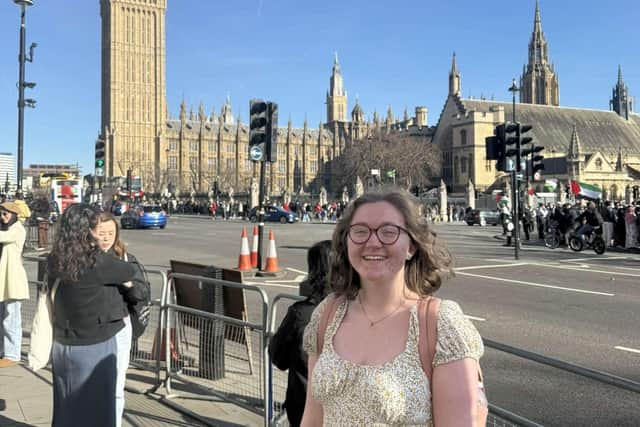

If passed by Parliament, changing the minimum voting age would be part of a range of measures introduced through a new Elections Bill, which would be ready for the next general election due for 2029.
I recall my first time voting as an exciting moment.
As a young person who had been nicknamed ‘the political one’ in my family, told to avoid discussions of politics around Christmas and birthday parties - it felt great to finally have a real voice in our country’s politics.
For 16 and 17-year-olds, they already have levels of responsibility that others on the electorate have. They can pay taxes, work, and can join the Army, so why shouldn’t they be allowed the vote?
As the Prime Minister put it, this week “if you pay in, you should have the opportunity to say what you want your money spent on, which way the government should go.”
Notably, the voting age change suggestion was missing from the 2024 King’s Speech in the opening of Parliament, despite it being a key priority in Labour’s manifesto.
Since my A-level and university years, I’ve felt that it has been more uncommon to find a young person who wasn’t at least trying to be engaged in social issues and politics. However, the broader picture shows that electoral turnout for young people is low across the country.
Now I’m 21, I personally look back on 16-year-old me with a level of pride at how engaged she was becoming in politics, with a level of care being so profound.
However, this isn’t necessarily the case for all teenagers.
There are areas around the country where even adults who already have the vote could appear weakly ‘educated’ and up-to-date on recent political updates - yet their vote is not withheld because their vote is their right. That is the joy of universal suffrage.
By giving these 16 and 17-year-old their vote, the government appears to be welcoming opportunities for young people to become more politically educated, by inviting their engagement, whilst also welcoming more electoral support from their own younger supporters.
For now, until we are shown otherwise, I think we should celebrate this as a win for our democracy.
Annaleece Longmore, University of Sheffield graduate