
I went to Electric Studios on opening night – and Sheffield finally has a venue to rival Leeds and Manchester
I spent a night in the brand new Electric Sheffield on opening night and this is what I thought.
I am the first to admit that when I came to Sheffield as a student back in 2020, I was thoroughly underwhelmed by the Leadmill.
This was the venue that, I’d been told repeatedly, was the beating heart of the city’s nightlife: a cultural institution, a rite of passage. But in reality, it felt like much of that reputation was built on what it used to be, rather than what it was offering then.

I get it. This is a place that hosted bands like Pulp, Arctic Monkeys, The Stone Roses, Oasis, a venue soaked in decades of musical history and northern identity.
But arriving as an outsider - a student with no emotional attachment - I saw something else.
A venue that felt tired. A dancefloor that didn’t quite land. Toilets that, frankly, required a level of emotional resilience I hadn’t prepared for.
The love for The Leadmill often felt rooted in what it had been, rather than what it was. Which is why, when the long-running saga over the building finally ended - I was equal parts sceptical and curious.
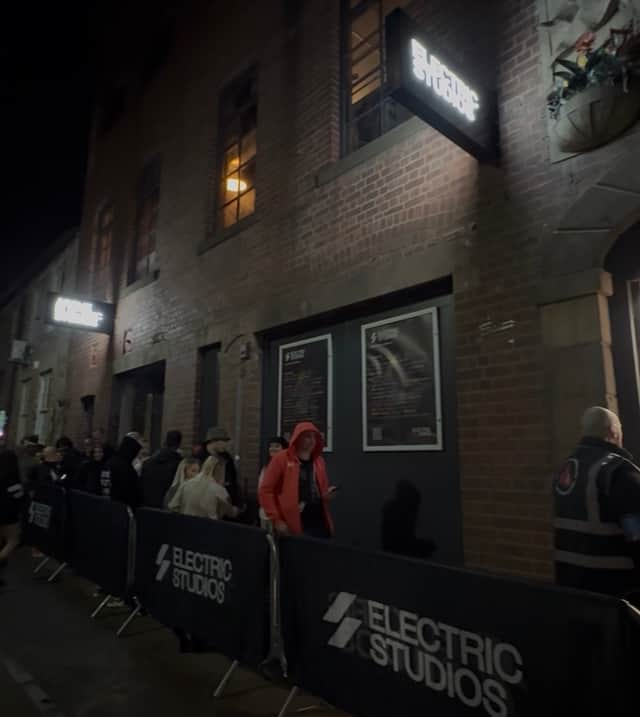
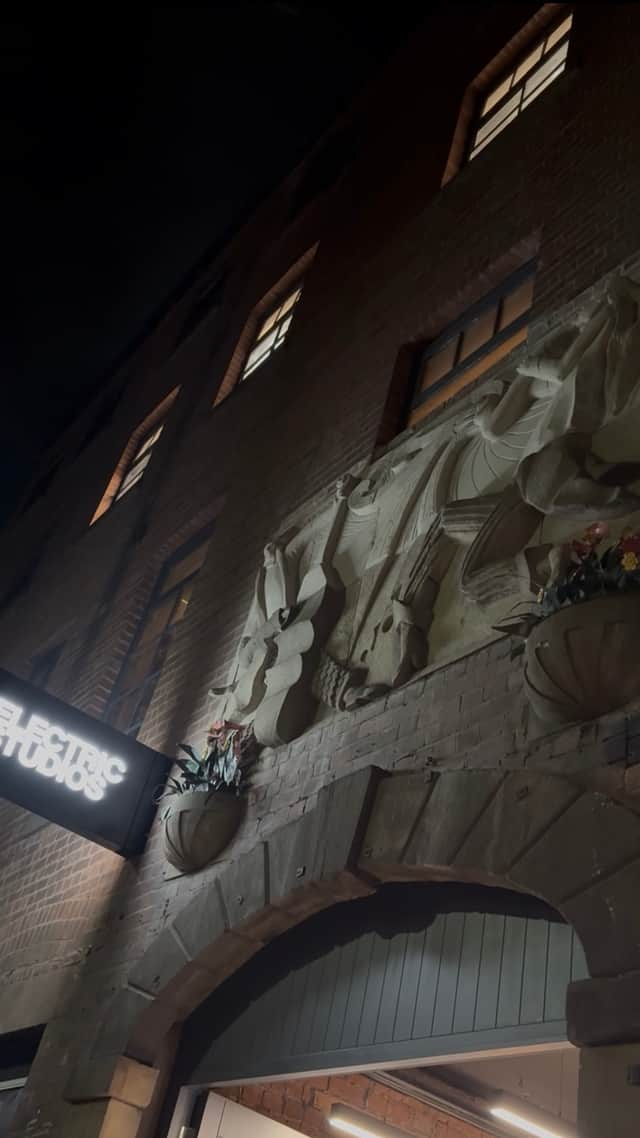
Electric Sheffield now occupies the former Leadmill building, after landlord Dominic Madden declined to renew the lease to The Leadmill Ltd, which ran the legendary venue.
Madden had bought the property years earlier when it failed to sell at auction - a purchase the original operators could have made at the time, but chose not to. A prolonged legal dispute followed before they eventually vacated the venue.
When Electric Sheffield was announced, it came with baggage and depending on who you ask, it’s either a fresh start or a hostile takeover.
But here’s the thing: most people on a night out don’t care about lease agreements. They care about whether it’s actually… good.
And this is where I have to admit something that may not go down well with the purists.
I think Electric Sheffield might be exactly what the city needed.
Now, before you accuse me of selling out - I should declare my bias. I’m what you might call a “dirty Londoner” (not my phrase, but I’ve heard worse), and I’ve spent more time than I’d like to admit in Electric Brixton.
It’s a place that thrives despite fierce competition and a less-than-glamorous postcode. If a venue like that can pull crowds in London, then there’s no reason Sheffield can’t replicate - or even improve on - that model.
And on opening night, Electric Sheffield made a strong case for itself.
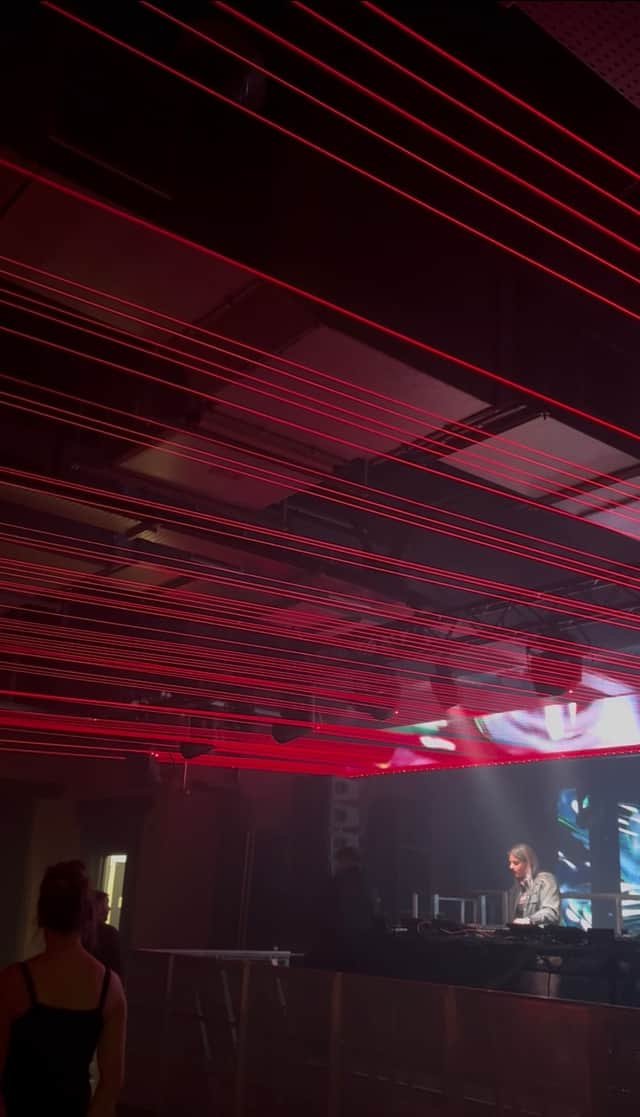
Turning up early (before the inevitable decline in judgement), I had a chance to take in the space before it filled, and visually, it’s a different world.
The redesign is sharp. The main room’s lighting rig and stage setup are miles ahead of what was there before - and the production feels worthy of touring acts.
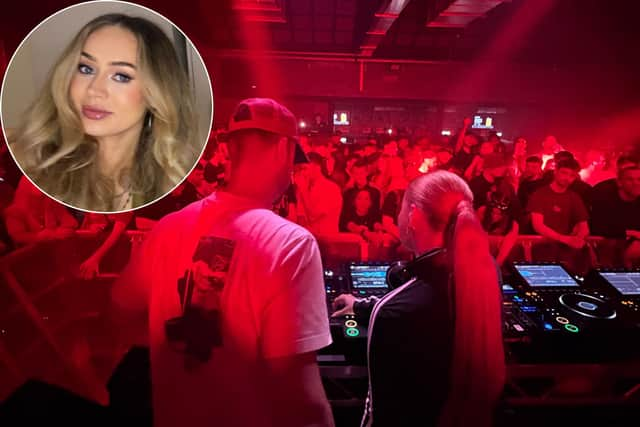
You get clear sightlines across the space, whether you’re in the crowd or - in our case - somehow behind the decks.
Downstairs, there’s a smaller second room with its own stage and bar, more intimate, but with real potential.
Practical upgrades like expanded toilets, cloakrooms and reworked layouts make a difference too, even if they’re not the kind of thing you brag about the next day.
The venue has also maintained the accessibility that it has prided itself on.
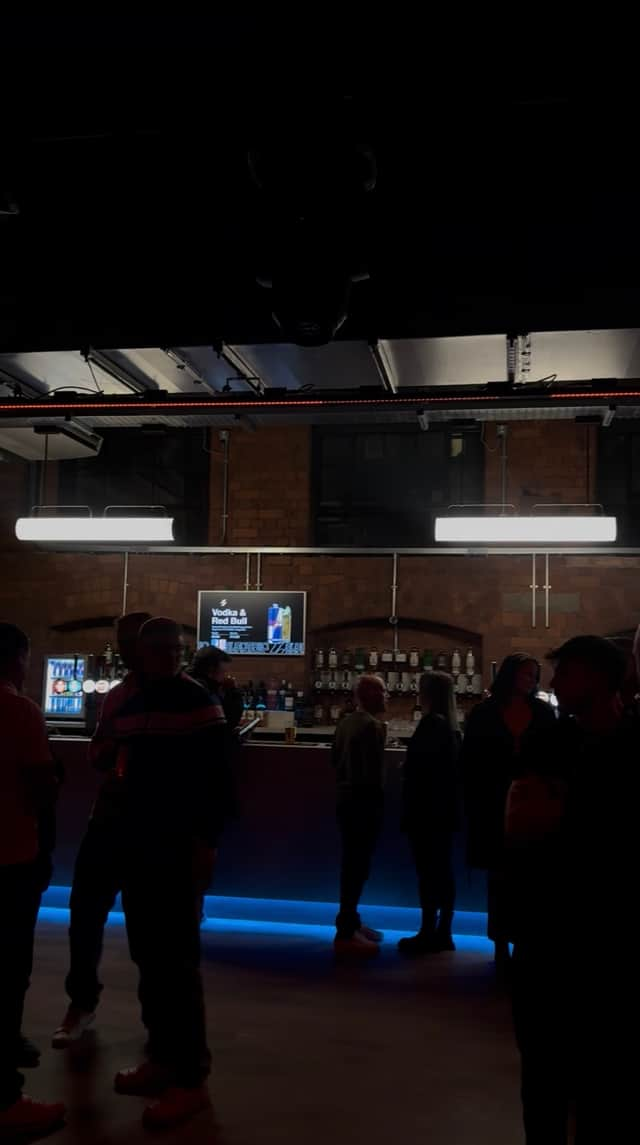
Capacity has jumped - over a thousand for gigs, closer to fifteen hundred for club nights - and there are plans for rehearsal spaces and creative work areas. It’s not just a club; it’s aiming to create infrastructure for a music scene.
Which brings us to the actual night.
Headlined by the huge name that is Wilkinson - the reaction when I told people was: “No way? In Sheffield?”
I’ve always liked drum and bass, so I was sold. My friend wasn’t - but by the end of the night, even she had to admit she may be a convert. I would say that is a pretty strong endorsement of what the venue managed to pull off.
The energy was there from the start: packed, but not suffocating. And perhaps most impressively, I didn’t spend the night overheating, which is a miracle in itself at most similar venues.
I stayed until the end - something I can’t remember doing in Sheffield since Hope Works closed - and left thinking something I hadn’t expected: I’d actually invite my friends here. That, more than anything, is the real test.
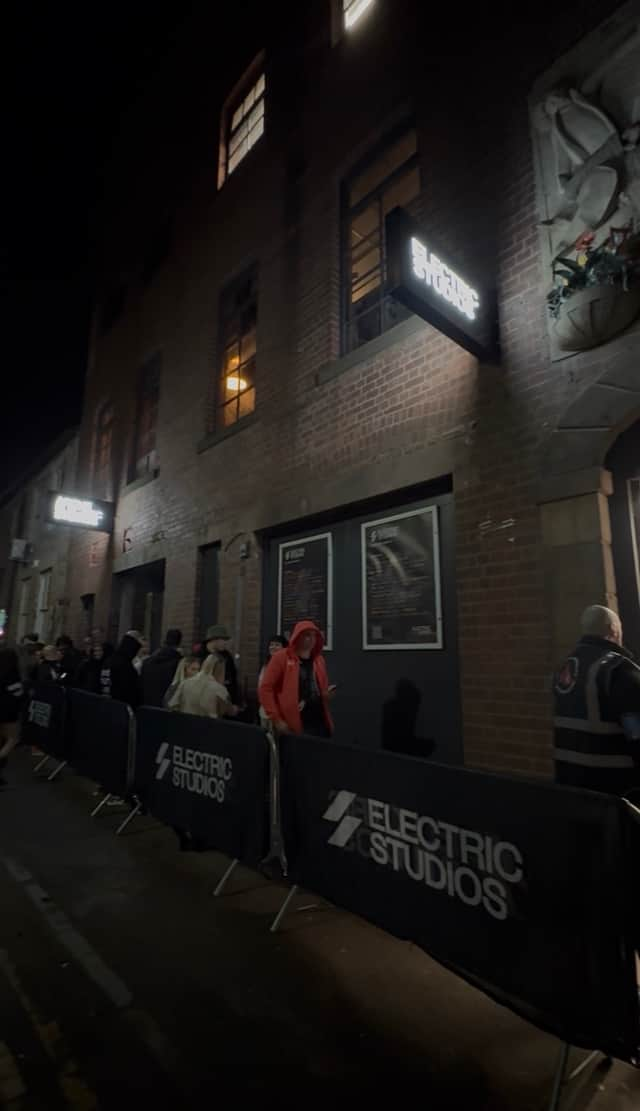
Of course, it’s not perfect. Drink prices raised eyebrows - £12 for a double isn’t quite West Street Live territory, and probably never will be.
But given the rising costs venues are dealing with - rent, staffing, production - it’s hard to act too outraged without also accepting the reality of the industry.
And while the opening leaned heavily into electronic music, there are signs of balance.
Acts like Saint Etienne and The Levellers have already sold out, with names like The Lemonheads and Goldie Lookin Chain on the way.
I am told this is largely down to the fact that booking touring bands is harder than ever. And maybe that’s the key point in all of this.
Sheffield’s musical identity has always been tied to its past - rightly so - but scenes evolve and tastes shift.
What people pay for now isn’t always what they paid for twenty years ago. DJs and electronic artists are drawing crowds in the same way bands once did - it’s still live performance, just in a different form.
You can’t preserve a scene by freezing it in time. So I believe that Electric Sheffield isn’t just a replacement for The Leadmill but a slightly controversial attempt to drag a beloved institution into a new era.
And for the first time since I have lived here, Sheffield feels like it can go toe-to-toe with nights out in Leeds and Manchester.