
On the Wildside: Magpies and jays divide opinions
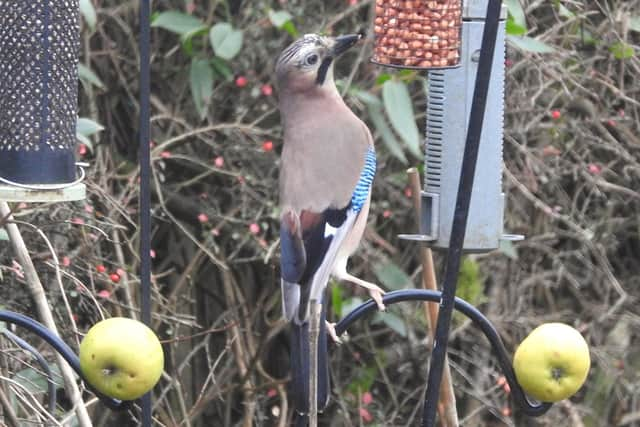
Jays are doing very well but not everyone likes them or their cousins, the magpies, increasing in numbers. Clearly both will take young, nestling birds and eggs too, scavenging and robbing hard-wired into their behaviour.
They are ‘crows’ and that is what they do, but they have a place in nature’s ecology. Talking to local birdwatchers recently, we pondered how people’s opinions of these two species, with their stunning plumage and exciting behaviour, might be different if they were rare. Our feeling was that they would be sought by twitchers and other keen birders. As it is, these birds are still legally ‘controlled’ in some areas by shooting estates; and others, including farmers, often feel they are very damaging. I get letters and emails from readers worried about the effects of the two species on smaller birds, especially breeding songbirds, and of course at very local levels, some adverse effects are undeniable.
All this said, the widespread declines of say farmland birds are not caused by the crow family (the corvids, including magpies and jays). Furthermore, they are not caused by birds of prey like sparrowhawks, which again may have localised impacts but are not responsible for wider, long-term declines. These serious problems result from the usual suspects of pesticides, pollution, habitat loss and degradation, weather, and climate issues. This may not make you feel any better about magpies stealing eggs or sparrowhawks taking blue tits off the feeders, but these are only localised impacts, and if the other, bigger problems are resolved then natural levels of predation are less damaging.
When planning wildlife gardens, we can help, by providing smaller birds with areas for security and safe cover when feeding or nesting, which makes a big difference to survival rates. Organisations like Wildlife Trusts and the RSPB often take similar actions on nature reserves to provide shelter, cover, and nesting sites, whilst managing factors like water depth to control predation. Predators and scavengers all have their place, and the issue is one of balance, whilst remembering that nature is red in tooth and claw!

Professor Ian D. Rotherham, researcher, writer & broadcaster on wildlife & environmental issues, is contactable on [email protected]; follow Ian’s blog (https://ianswalkonthewildside.wordpress.com/) and Twitter @IanThewildside