On the Wildside: As the weather turns colder the autumn birds are returning
As the weather turns colder and also wet and windy, the region’s birdlife is changing too. Flocks of pink-footed geese have been passing over from north-west to south-east as they make the trip from Lancashire’s coastal wetlands and down to the former fenlands of the Doncaster lowlands, and further south to the East Anglian Wash.
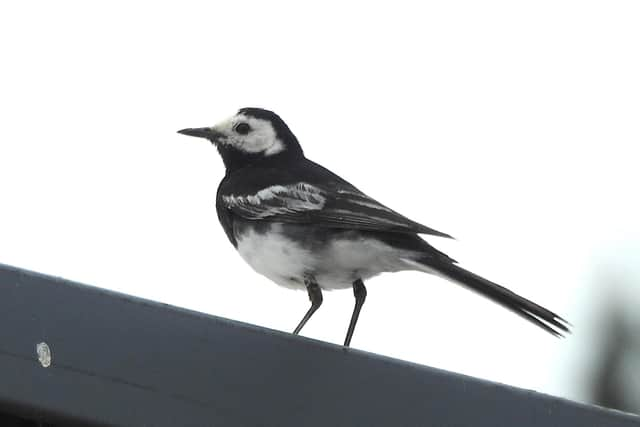
Also passing through the area are flocks of migrants, from woodpigeons to pied wagtails, heading south-west from the north-east. Closer to home, the wildlife garden has flocks of blue tits and great tits now visiting the feeders, together with increasing numbers of goldfinches which also assemble in local treetops in late afternoon pre-roosting groups. Up to 50 or more twittering birds gather excitedly in the high branches where they are almost invisible as they are silhouetted against the sky.
In recent weeks, many birds have been foraging in the region’s parklands, woods, and hedgerows which are full of heavy crops of berries from hawthorns to rowans, and blackthorns too. Also, until the first heavy frosts kick-in these habitats are full of insects and other invertebrates which are also rich pickings for many of the birds. In late September I had willow warblers passing through and I think, feeding on ripe honeysuckle berries, but they will also enjoy the harvest of small insects to eat. Many birds prior to their long migrations will need to feed up to build their reserves of body-fat. The local swifts departed mid to late August, but flocks of house martins were still moving through the region in late September. Along with the swift, our local swallows are another bird that has struggled in recent years, and yet I still get reports of nests-sites unnecessarily and thoughtlessly disrupted and traditional breeding locations blocked off. These are additional, highly unwelcome pressures on a bird species already under pressure and quite likely to be lost from many areas in the decades to come. If you come across such irresponsible actions like this, then do let me know. Nature conservation as a broad principle is simple - ‘do your bit’!
Professor Ian D. Rotherham, researcher, writer & broadcaster on wildlife & environmental issues, is contactable on [email protected]; follow Ian’s blog (https://ianswalkonthewildside.wordpress.com/) and Twitter @IanThewildside