
On the Wildside: Snow quickly brought winter birds to the garden feeders
Cold, frosty weather followed by prolonged snowy conditions soon had the birds flocking to garden feeders across the region. The need to replenish depleted energy stores becomes imperative for small birds during times of winter chill, and the extreme weather systems such as Storm Goretti.
Cold weather quickly drains reservoirs of body fats, and the stormy conditions further limit the availability of time suitable for feeding, as we might say ‘a perfect storm’ in terms of avian survival. Providing different types of feeders and a variety of energy-rich foods such as fat-balls, peanuts, sunflower seeds, suet dumplings, and dried mealworms or calci worms helps draw in a good mix of smaller birds to the garden. With food presented in various ways the intention is to ensure availability to a wide range of species and to help them fill the vital energy gap most effectively.
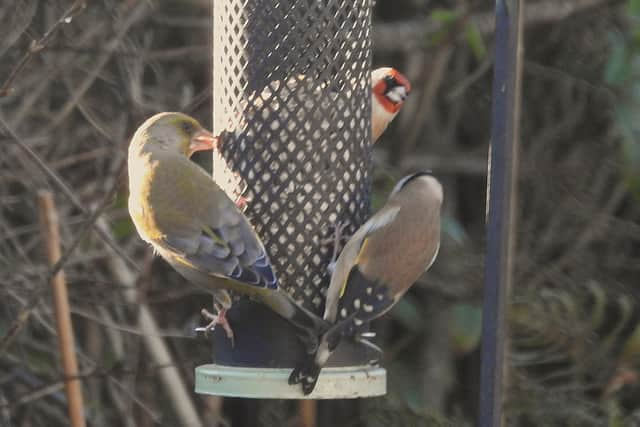

Also, as I have written previously, birds are creatures of habit and so regular provision of food throughout the year and year-to-year, all helps. I realise that readers sometimes find it frustrating when they put out food in cold weather but there is not a huge uptake, and sadly there is no short-cut to making the birds aware of where to come. Clearly visible feeders and a the right sorts of food certainly help, but time is a key aspect that underpins success and with no quick answer.
What is clear though, is that feeding the birds makes a huge difference to their changes of survival in inclement weather. Back in Victorian times, when domestic frugality was the norm, and in many cases the necessity for human survival, the idea of feeding the birds was considered most eccentric, wasteful, and even exotic. During the bitterly cold winters in the mid to late 1800s, middle class Londoners began to put out food scraps to feed the birds.
And when the naturalist William Henry Hudson travelled from the metropolis to Cornwall the locals thought it most peculiar that this man put down food on the ground for the birdlife.
Professor Ian D. Rotherham, researcher, writer & broadcaster on wildlife & environmental issues, is contactable on [email protected]; follow Ian’s blog (https://ianswalkonthewildside.wordpress.com/) and Twitter @IanThewildside