
Pioneer Nigel Dunnett who transformed Sheffield's streets into green spaces dies aged 63
Professor Nigel Dunnett, a pioneering Sheffield horticulturalist who transformed urban spaces has died aged 63
Tributes have poured in following the death of Professor Nigel Dunnett, a Sheffield pioneer who brought wildflowers to the city.
Dunnett, 63 was a Professor of Planting Design and Urban Horticulture at the University of Sheffield, and widely regarded as one of the most influential voices in modern horticulture.
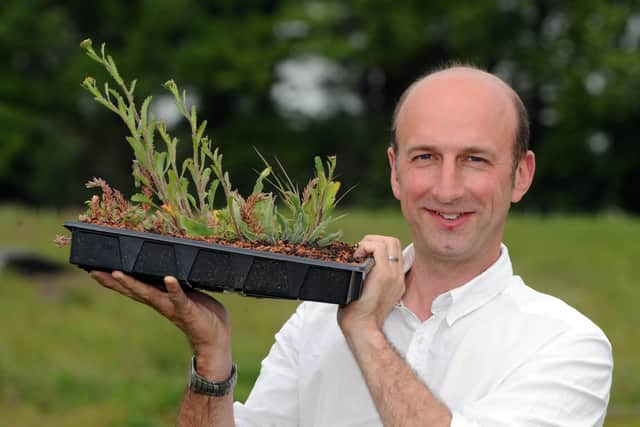

His work transformed urban spaces across the UK, bringing naturalistic planting and vibrant wildflower meadows into cities.
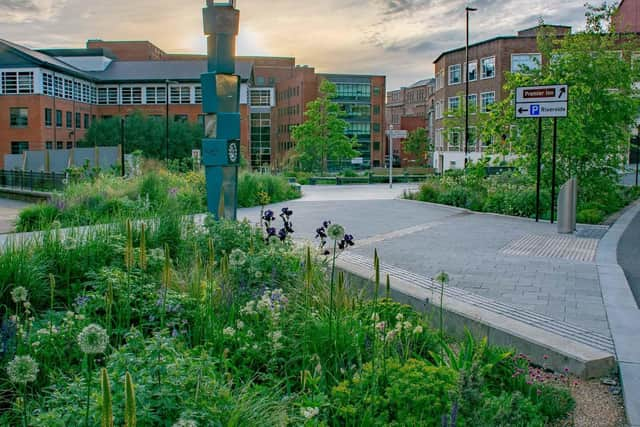
In Sheffield, his influence is most visible in the award-winning Grey to Green scheme, which transformed parts of the Castlegate Quarter from a tarmacked road system into a vibrant green corridor of trees and wildflowers.
Now the UK’s longest “green street” and largest retrofit sustainable drainage scheme, it helps manage flood risk, boost biodiversity and improve air quality - while creating a calmer space that encourages walking and cycling.
The Royal Horticultural Society (RHS) said it was deeply saddened by his passing. A statement online said: “Celebrated for his ability to combine rigorous science with beauty, creativity and a deep respect for nature, his influence on horticulture will be felt for generations to come.
Our thoughts are with Nigel's family and everyone who knew and loved him.”
Fellow horticulturalist and broadcaster Rachel de Thame also paid tribute: “I’m so thankful for all the times I spent in a garden with Nigel Dunnett, who died yesterday.
“We talked about sustainable planting back in 2012 at the Olympic Park… and were doing so again in his memorable Chelsea garden for Hospitalfield Arts last year.
“Thank you Nigel for always inspiring us and sharing your passion and knowledge so generously. We will miss you. Sending my heartfelt condolences to Nigel’s family, many friends and colleagues”
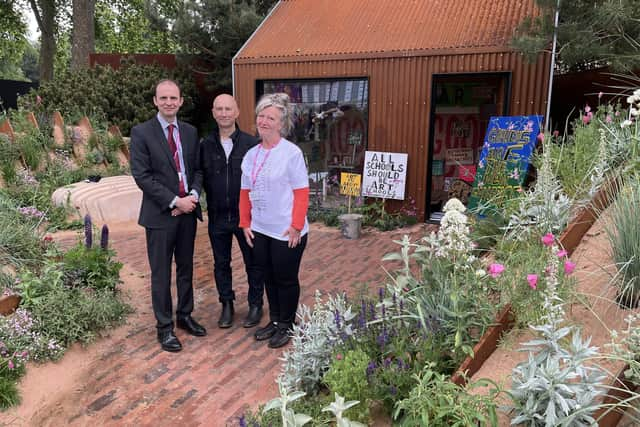
Dunnett’s work reshaped how green spaces are designed, particularly in urban environments.
His planting schemes were known for being both visually striking and environmentally sustainable, often replacing traditional flower beds with biodiverse, low-maintenance meadows.
He played a central role in landmark projects including the wildflower displays at the Tower of London moat for the Queen’s Platinum Jubilee in 2022, where more than 20 million seeds were sown to create a “Superbloom” installation.
A decade earlier, he contributed to the transformation of Queen Elizabeth Olympic Park for the 2012 Olympics.
His work also led to the creation of Pictorial Meadows, a Sheffield-based social enterprise born out of his research at the University of Sheffield.
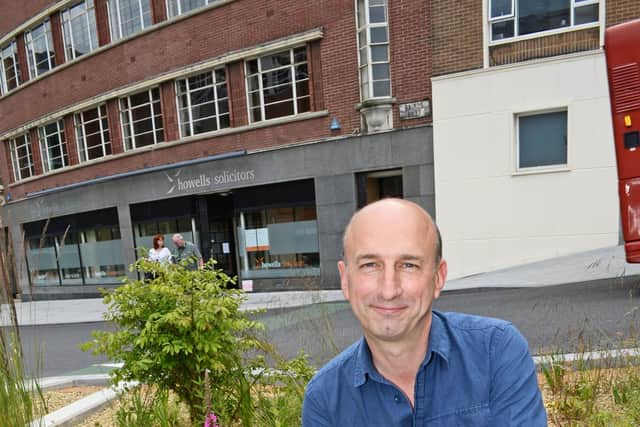
The organisation has since grown into an internationally recognised leader in urban meadow planting, supplying specialist seed mixes and delivering large-scale projects across the UK, Europe and beyond.
Through Pictorial Meadows, Dunnett helped pioneer what has been dubbed “meadowology” - the science of designing sustainable, long-lasting wildflower displays tailored to urban conditions.
These schemes not only reduced maintenance costs for councils but also supported biodiversity and improved mental wellbeing for residents.
As a lecturer at The University of Sheffield, Nigel inspired younger generations of students.
One graduate shared his heartbreak in a tribute online: “Never cried before for the death of a non-family member.
“I was so lucky to be supervised by him during my dissertation and final design project in the University of Sheffield. Attended all of his lectures during the uni years and was so much inspired by many of his ideas.
“He was a kind person, and a talented, hardworking designer. A great tragedy for all garden and landscape designers, gardeners and garden lovers across the world.”
A colleague of his Professor of Environmental Horticulture, Ross Cameron said: "Nigel was a much-valued colleague at the University of Sheffield – a source of inspiration and a popular lecturer with students.
“His ‘can do attitude’ was a motivation to others and there was no urban canvas that could not be greened and made more colourful through the ‘power of flowers’.
“With a strong intellect, he was first and foremost an applied researcher with an appetite for real world projects where he could utilise design to improve flood resilience, create a well-being haven for those in hospital, or bring nature back into the heart of the city.
“He leaves a legacy of many, many transformed beautiful spaces."
Beyond his design work, Dunnett authored books, appeared on television programmes including The Great Garden Revolution, and served as an RHS Ambassador from 2016.
His legacy lives on in the colourful, living landscapes he created - from Sheffield’s streets to some of the UK’s most iconic sites.