
New pothole traffic light system rates Sheffield's roads and repair progress
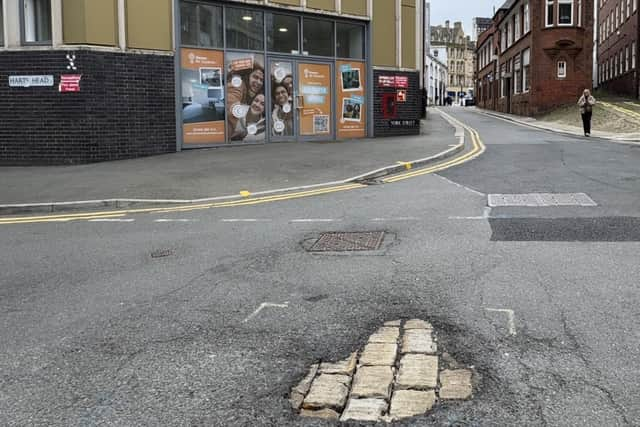
Sheffield’s rating has been revealed in a new pothole traffic light system, ranking the state of roads and effectiveness of repairs in every council area across England.
The new system from the Department of Transport (DoT) provides red, amber, green ratings to let the public see which local highway authorities (LHA) are fixing potholes effectively.
A DoT spokesperson said the system is based on current road conditions and how effectively they are spending the Government’s record £30million funding to fix potholes and invest in long term measures to maintain roads.

Three key areas are said to have been considered when arriving at a local authority’s rating. They are: the condition of local roads, how much LHAs are spending on road repairs, and whether they are following best practice in maintaining highways.
Sheffield has received an amber pothole rating.
Guidance from the DoT states that authorities that score ‘green’ are able to demonstrate they are following best practice such as investing in more long-term preventative measures rather than just patching up potholes, while also maintaining good road conditions and investing significantly into improving local roads.
‘Amber’ authorities show some of these qualities with room for improvement in individual areas, while those rated ‘red’ are not yet meeting the expected standards in one or several areas measured by the ratings such as the current state of the roads, their plans for preventing potholes or investment into maintaining their local roads more widely.
A spokesperson for Sheffield City Council said the authority is “disappointed” with the report that rates city’s roads as amber, because they “do not believe this gives a fair picture of either the condition of our roads or how they are maintained.”
They continued: “Sheffield’s highways are managed under a long‑standing PFI contract, which means the council does not receive extra Government funding linked to this rating.
“The amber rating was mainly due to a score in the “best practice” category, which was largely based on how much councils say they spend on preventative maintenance, such as surface dressing.
“We do not believe this score is accurate for Sheffield. Some of the information requested on best practice category is commercially sensitive under our PFI contract and cannot be shared in the same way as by councils without these arrangements,” the council spokesperson said.
The DoT said the first of its kind rating system shines a light on where local authorities are excelling and, crucially, where more needs to be done to deliver change people see in their communities.
Transport Secretary Heidi Alexander said: “For too long drivers in Yorkshire and the Humber have paid the price because our roads were left to deteriorate. I have heard time and again their frustration on footing the bill because they hit a pothole – money they should never have to spend in the first place.
“We’ve put our money where our mouth is, increasing the funding in Yorkshire and the Humber with £500 million to fix roads and given them the long-term certainty they have been asking for.
“Now it’s over to them to spend the money wisely, and for the first time we are making sure the public can see how well local highway authorities are doing in delivering the improvements they want to see in their local area.
“This Government’s record investment will save drivers money on repairs, make roads safer and help restore pride in our communities.”
The traffic light ratings, which are illustrated in an interactive map that can be viewed here, have been released ahead of National Pothole Day on January 15, 2026.

Rotherham and Leeds are amongst Yorkshire authorities which have achieved a ‘green’ rating, whilst Doncaster, Barnsley, Wakefield and Bradford have also received an ‘amber’ pothole rating.
Neighbouring authority area, Derbyshire, received a ‘red’ rating.
The Sheffield City Council spokesperson continued: “Our approach to road maintenance follows Government guidance and focuses on fixing potholes properly first time, rather than carrying out repeated temporary repairs. This reduces the need for repeat work and keeps disruption to road users to a minimum.
“Our PFI contractual framework sets rigorous performance standards that align with a preventative maintenance philosophy. These enhanced requirements ensure early intervention and proactive action, preventing issues before they materialise.
“We strongly disagree with any suggestion that Sheffield does not take a preventative approach. Our maintenance programme is based on evidence and long‑term planning, even where this does not fit neatly with expenditure‑based scoring systems.
“Importantly, the latest independent National Highways and Transport survey ranks Sheffield sixth best in the country for overall road condition, based on residents’ own experience. We believe this gives a much clearer picture of how Sheffield’s roads are performing.
“We will continue to work with Government, but it is important that national ratings properly reflect different contracts, funding models and data limitations. Our focus remains on keeping Sheffield’s roads safe and in good condition for residents.”