
Jonathan Sorsby: South Yorkshire cop deemed 'unfit for duty' after breathalyser resigned before he was sacked
A South Yorkshire Police officer would have been sacked - had he not resigned - after he was deemed “unfit for duty” after being breathalysed at work.
Sergeant Jonathan Sorsby was breathalysed while on duty on May 1, 2024, and provided a positive reading for alcohol.
The level in his system was recorded at 23 micrograms of alcohol per 100ml of breath.
The level was below the legal alcohol limit for driving in England, which is 35mg per 100ml.
However, he was deemed “unfit for duty” when he reported for work that day and a misconduct hearing was held this week.
“The outcome of the hearing was that, had the officer not already resigned from the organisation, they would have been dismissed without notice,” a South Yorkshire Police (SYP) spokesperson said, in documents publicising the misconduct panel’s findings.
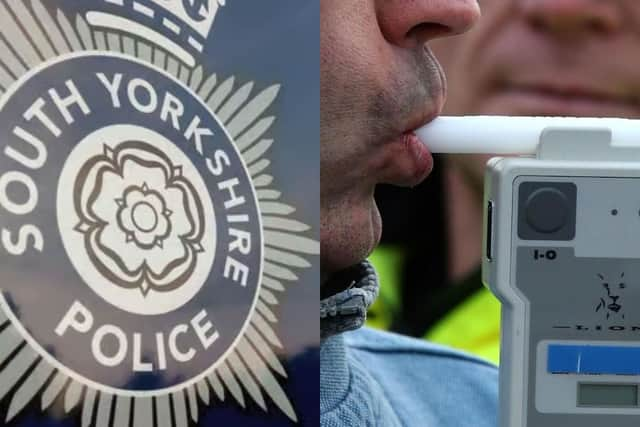

Mr Sorsby resigned from South Yorkshire Police after the breathalyser, but prior to the misconduct hearing taking place.
Detailing Mr Sorby’s conduct, the SYP spokesperson continued: “On 1st May 2024, in Wakefield, the officer was unfit for duty when attending a police centre and provided a reading of 23mg of alcohol per 100ml of breath when subjected to a breathalyser test.”
The spokesperson added: “This is a breach of the Standards of Professional Behaviour in respect of discreditable conduct and fitness for duty.
“The matters set out above are breaches of the Standards which are so serious as to justify dismissal and therefore constitute gross misconduct.
“The panel found that the former officer breached the Standards of Professional Behaviour and that the breaches amounted to gross misconduct.”
South Yorkshire Police’s guidance on misconduct hearings state they should be heard by a panel of three people, and should be chaired by an independent legally qualified person chosen from a pool held by the local policing body.
The other panel members should be an “officer of at least the rank of Superintendent and an independent lay person, selected from an approved list held by the local policing body.”