
How Upperthorpe got its name from Vikings and built Sheffield’s first reservoir
“This hidden gem is an area with a long history going back some 1,300 years to the age of the Vikings”
Upperthorpe is a popular residential suburb situated west of the city centre. Vibrant and varied, this hidden gem is an area with a long history going back some 1,300 years to the age of the Vikings. It was also the location of Sheffield’s first reservoir.
The exact date of the first settlement in the area of Upperthorpe is unknown, but it is believed to have been founded between the 9th or 10th century by a mixture of Viking and Old English settlers.
The name for the area is a combination of the Danish word ‘thorp’, which translates to ‘outlying farmstead’, and given the surname of the Middle English name for ‘Cooper’ (possibly spelled ‘Couper’ or perhaps even ‘Cowper’). A cooper is a craftsman who makes wooden vessels like barrels or troughs, and is thought to derive from the Middle Dutch word, kūper.
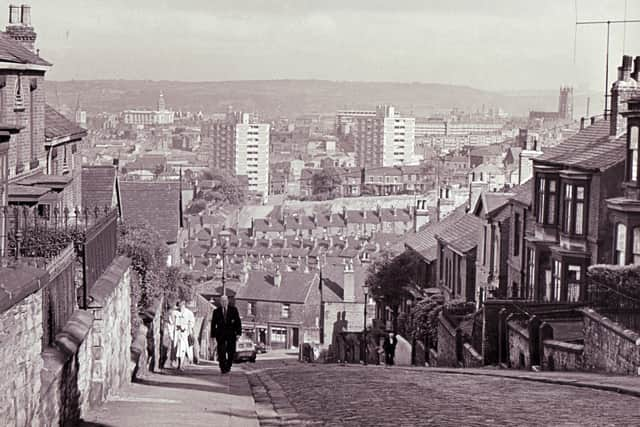

It was not until the 13th century, 1383 according to historical findings, that the name of this settlement evolved into Hoperthorpe, gradually changing over the centuries into what we now know as Upperthorpe today.
Later in the mid-1500s, Upperthorpe became a place synonymous with tanning, the process of turning animal skins into leather. It was around this time that the Rawson family, originally of the Hallamshire area, set up their tanning pits in the area – which were later served by water from Upperthorpe Dams.
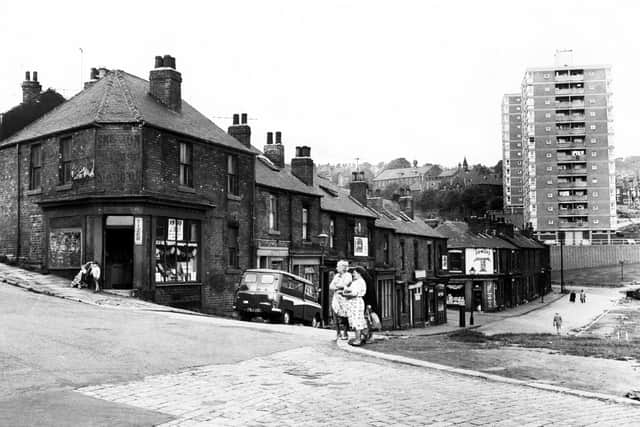
The production of leather and leather goods was, at the time, the second most important industry in England after textiles, while also being one of the largest employers outside agriculture. An industry historically synonymous with the area.
It was a hugely successful endeavour for the family, which expanded its tannery business to both Walkley and Philadelphia (around the Infirmary Road and Rutland Road, bordering Ponderosa park).
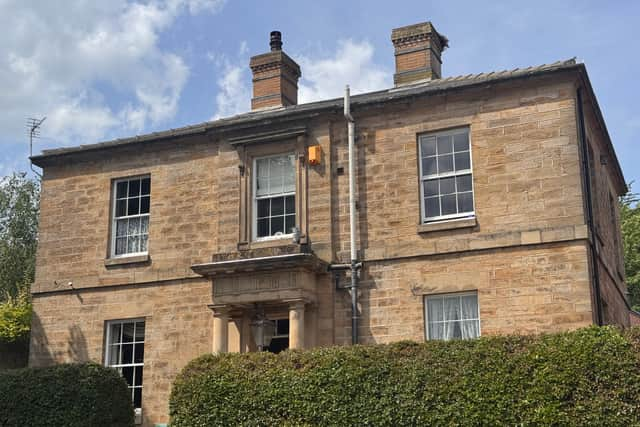
However in the 1800s the tanning industry began to struggle as other larger tanning areas in Leeds and Walsall expanded rapidly.
That wasn’t the end of Upperthorpe’s historical significance, for a long time it was predominantly a farming village but from the 17th century it became incredibly important to the water supply for Sheffield.
In 1712, water from springs was delivered by pipe lines to the centre of Sheffield. This reliance resulted in the construction of Sheffield’s first ever reservoir.
The Upperthorpe reservoirs, known as Upperthorpe Dams, were constructed in 1737 but as demand grew these were later replaced by a newer chain of reservoirs constructed in 1785 at Crookesmoor as the town began to rapidly expand.
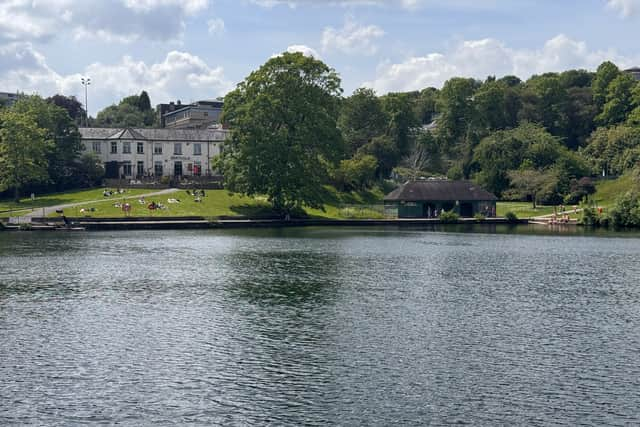
The Old Great Dam was one of these Crookesmoor reservoirs.
This large lake was located adjacent to what is now the Ponderosa park. Constructed in 1785, it was one of 10 reservoirs built across the Crookesmoor Valley to supply water to Sheffield before becoming obsolete in the 20th century.
While nine of the other reservoirs were eventually filled in, the Old Great Dam remains and is now the centrepiece of Crookes Valley Park.
It is still used for many activities by Sheffielders today.
Despite signage being put up stating ‘No Swimming’, people swim there almost every day – an act that has at times been fatal.
Much has changed in Upperthorpe over the years, it is now known for being a vibrant, thriving residential area, while also being home to the ‘Steepest street in Sheffield’ in Blake Street and for the unmistakable view of The Arts Tower, an iconic, 78-metre landmark at the University of Sheffield.