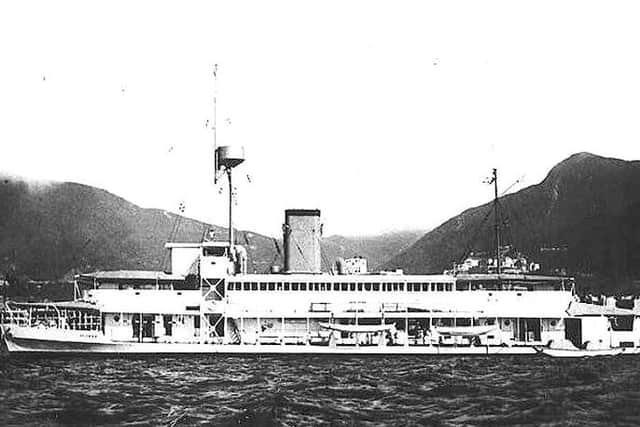
Heritage: An unsung Steel City war veteran who evaded capture
How Petty Officer Cuming turned master of disguise to keep one step ahead of the Japanese during World War II after his gunboat was sunk
I thought that it was an appropriate time for me to share the following story regarding an unsung hero of Sheffield that I fortuitously came across in the Sheffield Telegraph, January 2 – in a 1946 edition.
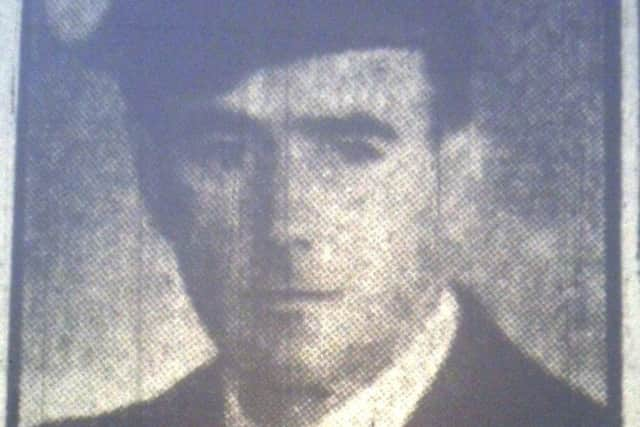

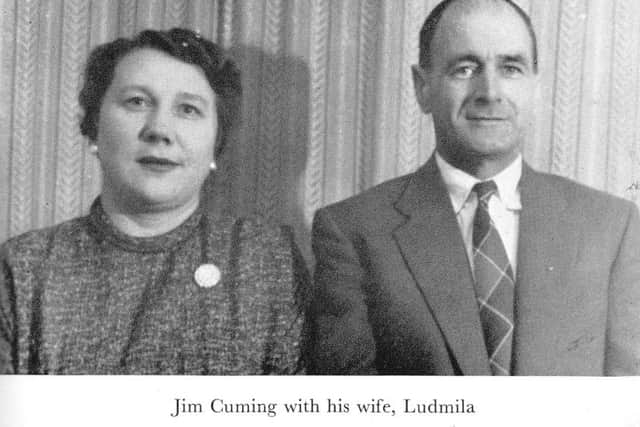
In the article it states that: “After three and a half years of strenuous ‘Hide and Seek’ in Japanese-occupied Shanghai, Petty Officer James Wilfred Cuming, of 19, Longley Avenue, Sheffield, has arrived home with his Russian wife, Mila and their three-year-old daughter.
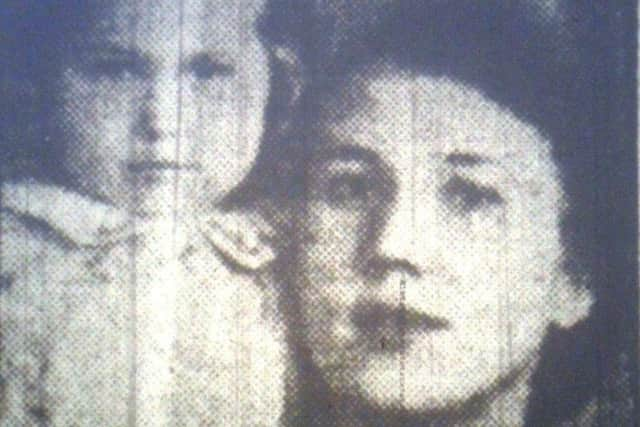
When Petty Officer Cuming’s ship, the gunboat HMS Peterel, was unfortunately sunk off Shanghai on December 8, 1941, he had managed to reach land, and from that time onwards he had laid himself open to a chance of being shot as a spy, by cleverly exchanging his uniform for some civilian clothing.
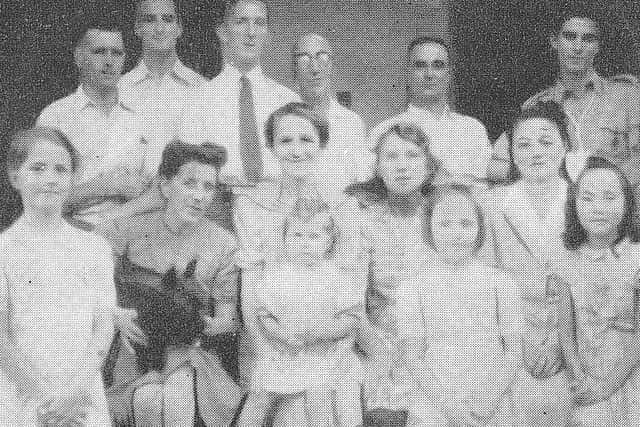
Shortly after this incident, he had met and married his Russian wife, Mila, and he had lived with her Russian family for most of the time until August, 1945, when the Americans marched [sic].
The Japanese nation knew that he was at large and they searched for him many times, but without any success. Once, when they entered the house, he had remained out of sight hidden in a cupboard.
Daily throughout the last three years Petty Officer Cuming received messages on a hidden radio, and he also ran a private news service for many of the internees in the five local camps.
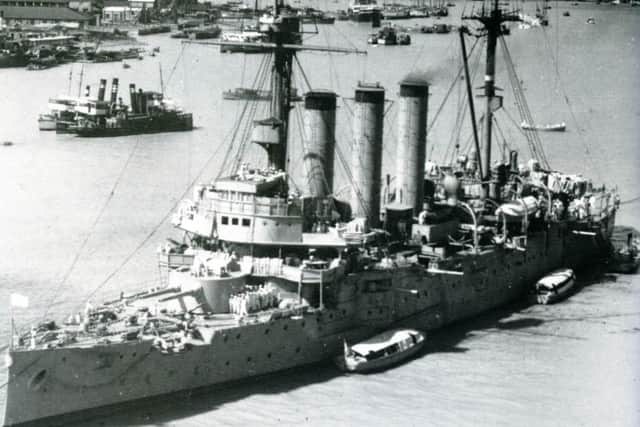
Although Mr Cuming speaks only a few words of Russian, he posed as a neutral citizen several times. His wife Mila, whom he says was his greatest help at this time, speaks three or four languages quite fluently, including English.
‘The hardest part of it all was getting food,’ he said, adding that it was obtainable ‘providing you had the money’. By the year of 1942 currency had become so debased that ‘millions’ of the currency were required to buy anything that was worthwhile.
Speaking to a Telegraph reporter yesterday, Petty Officer Cuming commented that it he found it rather amazing that the Japs had been unable to catch him as he had often been ‘careless’ about where he was hiding at the time.
‘If it had been the Germans, I should not have remained at liberty so long,’ he had said.
Petty Officer Cuming, who is 31, joined the Navy on leaving All Saints School, Pitsmoor, Sheffield, in 1930.
He arrived in the city of Sheffield, on three months’ leave last week – to spend his first Christmas at home since 1936 – and he intends to remain in the Navy.
His wife and his three-year-old daughter, Rita Margaret, have never been to England before. Petty Officer Cuming has four sisters and also four brothers, one of whom, Bernard, is also in the Navy.”
The more detailed story of Petty Officer Cuming’s wartime escapades is related in the book entitled The Lonely Battle by Desmond Wettern and there are also some Internet sources most of which are no longer available.
The former-mentioned source related that, contrary to the above report, Petty Officer Cuming (who was a telegraphist) and two others from the crew of his vesel were ashore at the time of the Peterel’s sinking, with the two others being captured by the Japanese.
James managed to evade the Japanese by obtaining false papers from his friends, which thereby enabled him to work for an American/Chinese spy ring which was operating in the Shanghai area throughout the duration of the war.
Wettern also stated that PO Cuming had soon left the Navy after his repatriation in late 1945 and by 1960 James Cuming and his wife Ludmila were living with their three children on an estate, which was on the outskirts of Sheffield.
James was working for a burglar alarm company, being called out at all hours of the day and night to reset automatic alarms in factories and warehouses, whilst his wife had settled down to life in Sheffield and she had even acquired a Yorkshire accent while in the city, though had not forgotten how to cook Russian dishes.
But I can’t find anything more about James and his family’s post-war experiences, other than he died sometime in 1973. As a consequence of which, it would be great if readers could fill in some of the post-war detail.