
Sheffield second worst in England for urgent cancer treatment, with half of patients waiting over two months
Sheffield is ranked the second worst place in England for getting urgent cancer patients into treatment on time, according to new NHS figures.
Sheffield Teaching Hospitals NHS Foundation Trust ranked second worst in England for starting cancer treatment within 62 days of urgent referral in 2025.
Data published for 2025 shows that just 50.1 per cent of patients treated by the trust began their first cancer treatment within 62 days of an urgent GP referral.
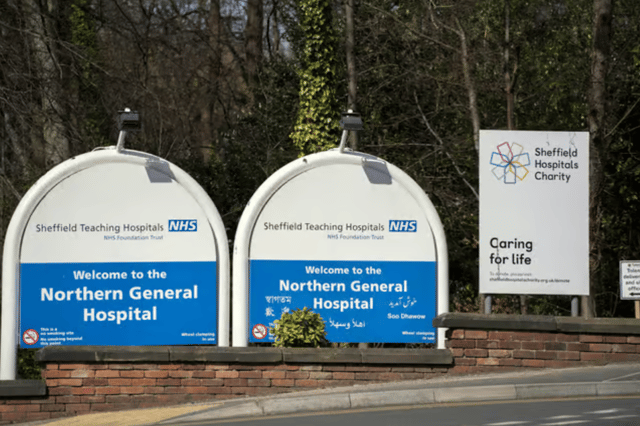

In some cases, the delays were far longer. In December alone, 14.9 per cent of Sheffield patients starting treatment had been waiting more than 104 days - over three months - since their urgent referral.
Out of 119 NHS trusts with comparable data, Sheffield ranks 118th - second from bottom.
Only Mid and South Essex recorded a lower figure.
The figure is also slightly worse than last year, when the trust recorded 50.7 per cent.

This is significantly longer than the NHS’ long-standing target for 85 per cent of patients to wait no more than 62 days from their cancer referral being received, to starting treatment.
In response to these figures, Kirsten Major, Chief Executive, Sheffield Teaching Hospitals NHS Foundation Trust said: “We previously had some of the best cancer waiting times, so we are concerned about the drop in performance and the impact on our patients.
“This is one of our top three priorities and as such we have already taken actions to turn this around including additional clinics and diagnostic capacity and changes to improve and speed up the care that we provide.
“Some of the reasons we have seen an increase in our wait times include a national shortage of oncologists in certain specialities and significant increase in demand.
“For example, across South Yorkshire, we are on course to see a 17 per cent increase in urology cancer referrals compared to two years ago. Last year saw a seven per cent annual increase in skin cancer referrals.
“We are now seeing a consistent improvement in cancer waiting times each month and we continue to look for every opportunity to reduce the time it takes to tell our patients if they do or don't have cancer and initiate treatment where needed.”
How does the rest of England compare?
Despite the NHS target of 85 per cent, this has not been met at a national level since 2014.
The Government has also set an interim target of March 2026 for this figure to reach 75 per cent, but the latest data shows:
- Just three trusts out of 119 trusts hit or exceeded the 85 per cent target in 2025
- Only around a quarter managed to get above 75 per cent
- Across England overall, 69.1 per cent of patients started treatment within 62 days - well below the official standard.
The three trusts meeting the 85 per cent benchmark were Calderdale and Huddersfield (89.2 per cet), Homerton Healthcare (85.8 per cent) and Maidstone and Tunbridge Wells (85.7 per cent).
At the other end of the table, the five worst-performing trusts were:
- Mid and South Essex (45.4 per cent)
- Sheffield Teaching Hospitals (50.1 per cent)
- Hull University Teaching Hospitals (53.1 per cent)
- Queen Elizabeth Hospital King’s Lynn (54.2 per cent)
- Guy’s and St Thomas’ (55.1 per cent)
Michelle Mitchell, chief executive of Cancer Research UK, said: “Although NHS staff are working hard to cope with increasing pressure on cancer services, far too many people still face unacceptable delays for vital treatment.
“The UK Government has set an important commitment to meet all cancer waiting times targets in England by 2029, but this can't be achieved at the current rate of progress.
“More investment in NHS workforce and equipment will be crucial to deliver genuine change for patients across the country.”