
Flies infest top floors of Sheffield tower block - just like residents predicted six months ago

An infestation of flies has returned to the top floors of an iconic Sheffield tower block - just as residents said they would six months ago.
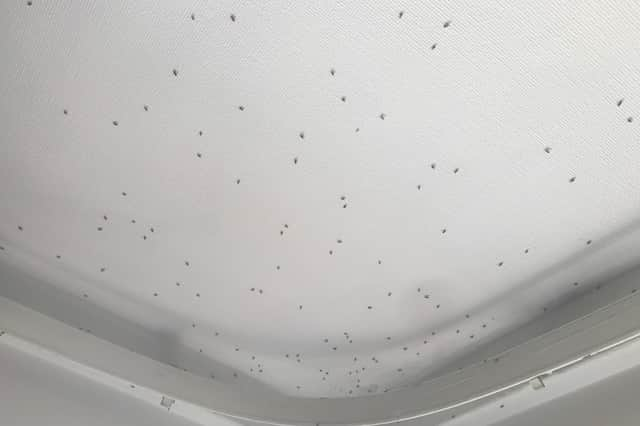
Videos show how the highest floors of the Robertshaw building in Netherthorpe are crawling with cluster flies once again.


The docile but swarming breed of fly gather in their thousands in autumn as they find warm, sheltered places to lay their eggs - such as in the gaps of cladding in tower blocks.
It led to skin-crawling footage last October - and now the flies are back after hatching this week (March 24).
One Robertshaw resident, Peter McLoughlin - a former Sheffield cabinet member for housing - said he has now been putting up with the yearly infestations for nearly two decades.
He spoke to The Star in October to demand action from the council. Six months later, the swarm is back.
In October 2025, a council spokesperson said common methods of exterminating the flies poses a risk to other wildlife, and said it had commissioned a second wildlife survey to investigate the issue.
This week, a spokesperson told The Star the survey yielded no new information.
“I’m fed up of it, to be honest,” Peter, 81, told The Star. “It’s become unbearable.
“You cannot open your windows at all or they will get inside, and with no fresh air you end up living in a stuffy flat where any mistake means flies getting into your home and into your food.
“I cannot use fly spray because of a medical condition. We left a window open by mistake last night and had to spend two hours squashing them with a damp cloth.
“It cannot carry on like this.”

Peter moved into Robertshaw in 1988 and says in that time he has been “forced” to become an expert on the seasonal pest.
He said the cluster fly infestations began in the late 1990s when the block’s cladding was refurbished by the North West Inner City Action Plan (NWICAP) Single Regeneration Budget1 (SRB).
However, the new aluminium cladding has gaps in many places - a perfect place for the swarming pest to shelter en masse in autumn after migrating into Sheffield from the Peak District.
Then, when the weather turns colder, they burrow into gaps and lay their eggs, which hatch in spring - which is what is happening now.
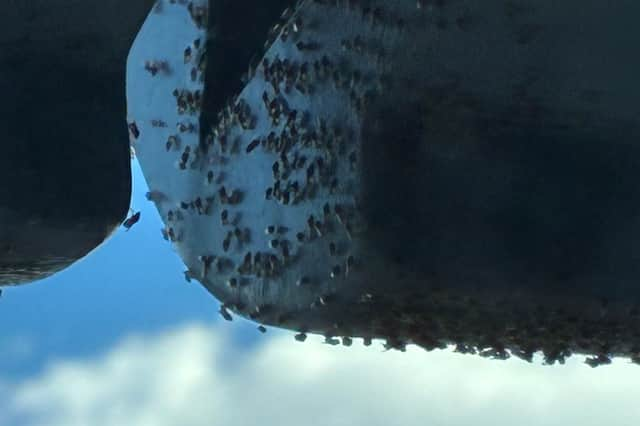
Peter said: “You think of the gaps from the cladding and the heat coming off the building, and you’ve got a lovely, warm home for them. Very cosy!”
Peter said he has been complaining to the city council for over five years.
He said: “The council has the audacity to complain about private sector landlords but are deaf to issues when it’s their own properties.
“The number of times I’ve complained about it only to be told it’s the job of another department, or told they can’t because of budget, or just passed from pillar to post.
“When I was cabinet member, I could show you newspaper articles of me slagging off my own department if it wasn’t good enough, because that’s what you’re there for. Today’s councils, today’s Sheffield City Council, are more interested in looking better than they actually are.
“I’m sorry but I’ve had enough of it.
“If I can’t get a response or action from the council, when I’m a former cabinet member who knows the system, what about all the vulnerable people in all these flats? What hope do they have?”
Peter says he was previously advised by council leader Tom Hunt in an email from SCC’s environment pest control team to “perhaps install window mesh to prevent the flies entering through the windows or to use fly strips.”
Peter said: “I believe this is passing off responsibility onto rent paying tenants, and it’s unsafe for top floor residents to do themselves.”
A spokesperson for Sheffield City Council said surveys have previously been conducted to address the flies, but that “usual treatments” pose a risk to other wildlife.
“Other actions have been suggested to tenants, which have been rejected,” said the spokesperson.
“Another environmental survey has been commissioned for this week which will at possible ways to clear the flies without harming other wildlife.”