
Spraying of a toxic weed killer down in Sheffield as council trials new technique
Sheffield City Council committed to reducing its glyphosate use in 2020
The spraying of a toxic weed killer has decreased this year as Sheffield City Council trials blasting unwanted plants with electricity.
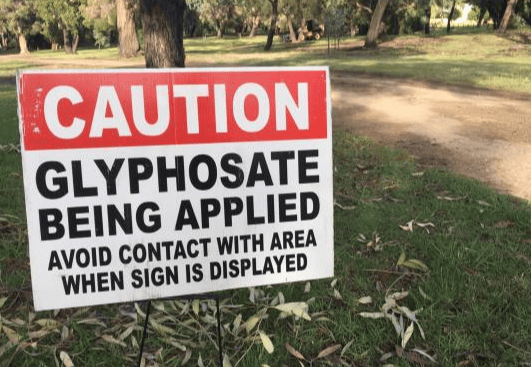

Glyphosate is a weed killer which campaigners say is toxic and poisonous for the environment and health.
1,605 litres of the chemical have been sprayed onto the Steel City streets so far this year, a council report says.
According to the House of Commons, research has shown: "Although glyphosate does break down relatively quickly in the environment, one of the resulting chemicals, aminomethylphosphonic acid, may be more persistent and could potentially be harmful to wildlife and ecosystems."
Some local authorities, such as East Devon District Council, have banned the use of glyphosate, and Sheffield residents are campaigning for their council to do the same.
The campaign group No Glyphosate Sheffield is concerned that the council contractor Amey spray it "liberally" which kills important pollinator plants as well as weeds.
They also claim it can be picked up from the ground on pets' paws and cause them harm, and that it has also been found in children's play equipment.
Sheffield City Council committed to reducing its glyphosate use in 2020. However, usage has actually risen in the years since.
A report to the environmental services and regulation policy committee saidrequests from the public for weed killing increased over the last five years from 597 in 2021 to 1,143 in 2024.
Usage of the controversial weed killer therefore rose from 3,570 litres in 2021, to 4,865 litres in 2025.
E-weeding, one of the new treatments being trialled by Sheffield council involves targeting weeds with electrical currents.
It has been trialled around the city centre and it's effectiveness is reported to be "on a par with glyphosate".
However, the report to the committee says the "novel" technology is expensive and slow, with risks of starting a fire if targeting dry plant material.
It also cannot be performed in rainy conditions, which according to the council report accounts for 133 days of the year in Sheffield.
The council is continuing to trial the e-weeding, along with other treatment options.
The weed killer will be discussed at the environmental services and regulation committee meeting on November 6, 2026.