
Doctors are baffled: "I’m one of only two people ever diagnosed with this rare bleeding disorder"
A Sheffield woman has become the first person in Europe to be diagnosed with an extremely rare blood disorder - so rare that doctors are now asking her to donate blood for further research at Cambridge University.
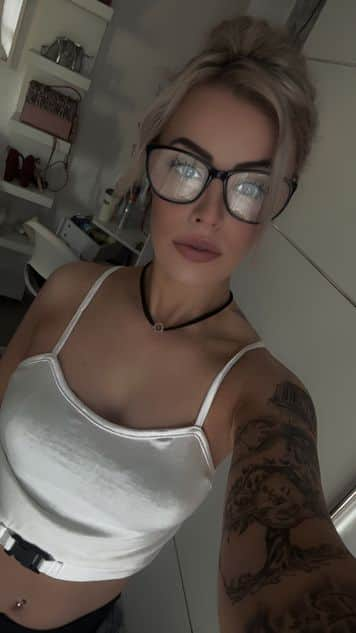
Kelly Stothard, a mum-of-four from Wincobank, who has spent much of her life under the care of medical specialists, was given the ground-breaking diagnosis on March 28.
The specialist who delivered the diagnosis revealed that her genetic blood report had left him astounded.
He confirmed that he had never encountered the condition in the UK before, and after further research, found that it had only ever been documented in one other person in Asia.
It is feared that at east one of Kelly’s children will have the rare disease.
“No one believes how sick I am,” she says.

The disorder affects the platelets, which play a crucial role in blood clotting. She needs to inject myself once a month.
Normally, platelets have two tiny arm-like structures that help them stick together and form a clot when a blood vessel is ruptured. However, in Kelly’s case, one of these “arms” is completely broken while the other is severely weakened.
This means her blood struggles to clot, causing excessive bleeding.
“I have had multiple blood transfusions and suffered from severe anaemia attacks,” Kelly says.
“During operations, I’ve lost half my blood volume at a time. I often experience heavy bleeding from my mouth and nose and was even scheduled to have my womb removed to prevent excessive menstruation.”
That procedure has now been postponed due to the life-threatening risks posed by her condition.
Instead, Kelly has been asked to donate 50ml of blood to a three-year genetic research project, which could provide vital insights into the disorder and help develop future treatments.
Doctors remain baffled by the case and are keen to investigate further.
Meanwhile, Kelly hopes that her diagnosis and participation in the study will contribute to a better understanding of this rare condition and potentially help others in the future.
Have you got a story you want to share with our readers? You can now send it to us online via YourWorld at https://www.yourworld.net/submit/ It's free to use and, once checked, your story will appear on our website and, space allowing, in our newspapers.