

Robbery is when someone steals something from a person or place by force or threat of force, for example threatening to assault them if they don’t hand valuables over. It could happen in the street or in a building, like a shop.
Some parts of Sheffield see more of this sort of crime than others, so we have looked at the figures, and have now used them to compile a list of the 21 Sheffield neighbourhoods were you are least likely to be robbed.
We have used figures taken from Sheffield Council statistics, based on official South Yorkshire Police numbers, which break down robberies in the city into specific neighbourhoods.
In each case, the ranking is based on the number of robberies per 1,000 residents in that neighbourhood.
The Star has taken those figures and created a gallery showing which parts of the city those figures suggest you are least likely to be robbed. The figures relate to a 12 month period from March 2023 to February 2024.
They are divided up into 70 neighbourhoods in the council figures. The figures are based on where the robberies occurred, not where they were reported from.
We have listed the 21 neighbourhoods in the city with the fewest reported robberies in the gallery below, with the largest number of robberies per person at top, and the area with the fewest number listed last.
The photos are for illustrative purposes only and figures do not refer to any individual buildings or streets.
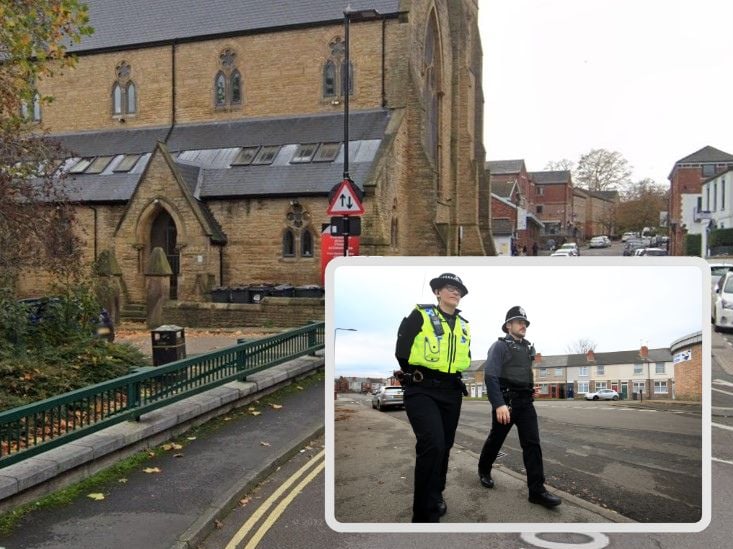
1. Sheffield places with fewest robberies
The 21 neighbourhoods in Sheffield were you are least likely to get robbed | Google Photo: Google
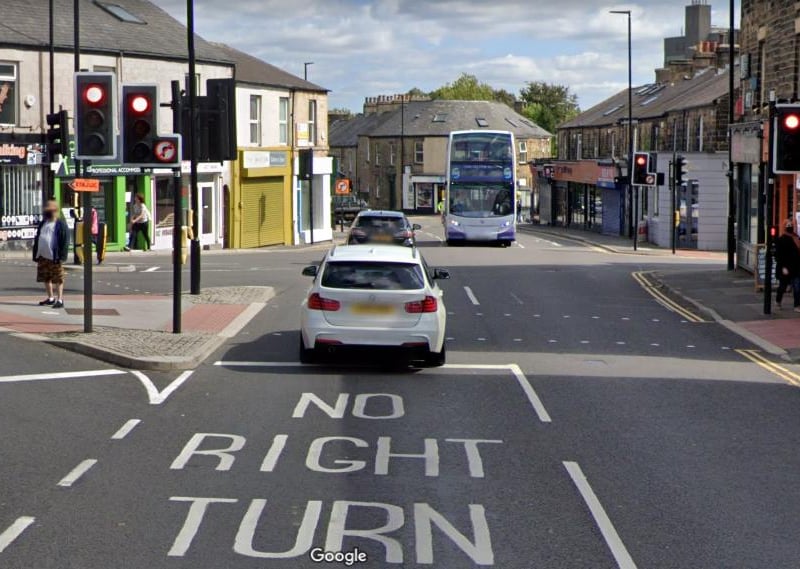
2. 21. Broomhill & Lower Crookesmoor
21. Broomhill & Lower Crookesmoor had 0.6 neighbourhood-level incidents of robbery per 1,000 residents and a total of five overall. Photo: Google | Google Photo: Google
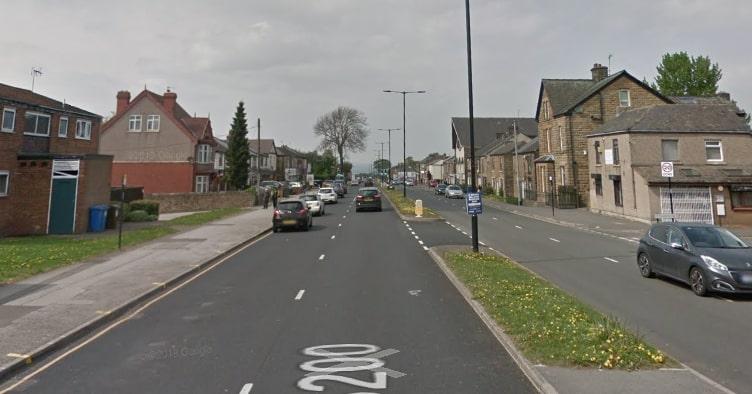
3. 20. Handsworth South
20. Handsworth South had 0.6 neighbourhood-level incidents of robbery per 1,000 residents and a total of four overall. Photo: Google | Google Photo: Google
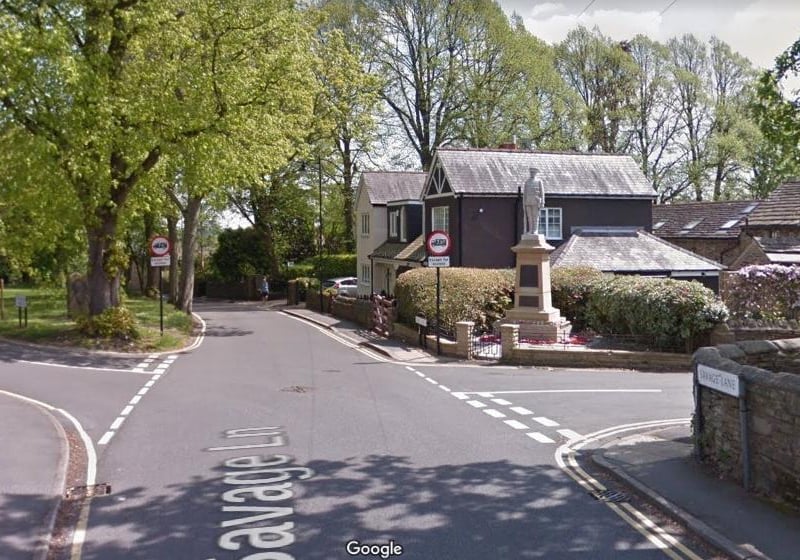
4. 19. Dore and Whirlow
19. Dore & Whirlow had 0.5 neighbourhood-level incidents of robbery per 1,000 residents and a total of five overall. Photo: Google Photo: Google