
'Indefinite' prison sentences once branded 'biggest regret' by Lord David Blunkett could be reviewed

They have been slammed by prison reform advocates and even the UN as “a serious human right violation”
A power to lock up prisoners indefinitely which Lord David Blunkett once called the “biggest regret” of his career could be reviewed.
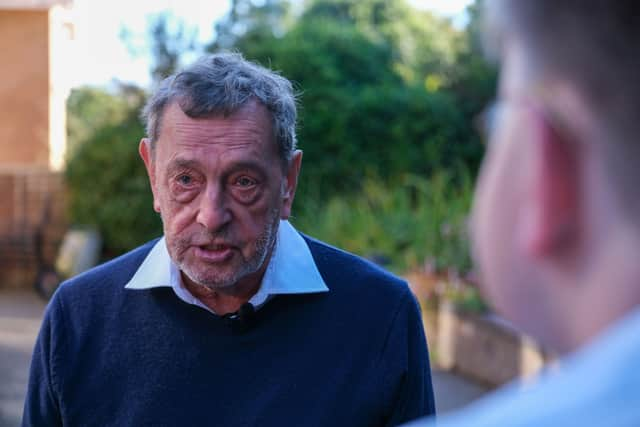
The former Labour Home Secretary, who introduced Imprisonment for Public Protection (IPP) 20 years ago, branded them “a mistake” in an interview with The Star in 2024, where he also called for reforms.
But despite being scrapped for new prisoners in 2012, almost 2,400 people are still serving IPP jail terms with no release date set.
Human rights experts, prison reform advocates and even the UN have slammed indeterminate sentences as not just a human rights violation but also a flaw taking up valuable space in overcrowded prisons.

What are IPPs?
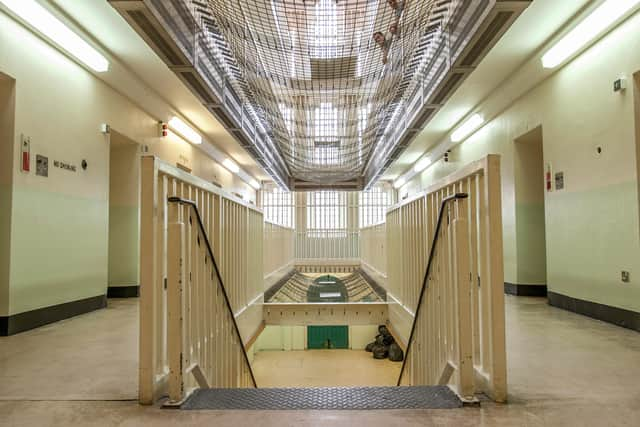
IPPs were designed for dangerous prisoners whose crimes did not qualify for life sentences.
After serving a minimum tariff behind bars, determined at their sentencing hearings, the idea was to retain offenders indefinitely until they could prove that they were longer a threat to the public.
It often led to inmates spending years locked up after their minimum tariff.
Prisoners on IPPs could also be recalled to prison for years after their release.
They were abolished in 2012 for new prisoners but not for those already serving them.
Former Home Secretary and MP for Sheffield Brightside, Lord David Blunkett, told The Star in 2024: “I made my mistakes.
“The judges who are the ones who sentenced and had this on the menu, they made their mistakes and those who advised us, including psychologists, made a mistake about what the likely impact is.”
Will there be a review of IPPs?
IPPs were referenced in a raft of prison reform announcements on Monday (August 4) at the same time the controversial early release scheme due in September was put on pause for an “urgent review.”
Amid the announcements, PM Andy Burnham said he had also asked Justice Secretary Alex Norris to look at reviewing Imprisonment for Public Protection.
It was one of a great number of other pledges, including claims the government would look at how the UK can removed more foreign offenders, free up space in women’s prisons, create a new national helpline, £10m in victim support, and a promise to deliver “the fastest prison building programme since the Victorian era”, aiming to create 14,000 new prison places by 2031.
IPPs were deemed unlawful by the European Court of Human Rights in 2012, but not retrospectively, which left 6,000 offenders languishing in UK prisons at the time.
Advocates want to see prisoners on IPP jail terms resentenced so that they can know their release date or be given life in prison.
IPPs were slammed in July by special rapporteurs for the United Nations, who said the open-ended jail terms left prisoners trapped in a cycle of “excessive punishment, repeated recall, deteriorating mental health, and diminishing hope”.
“These penalties involve prolonged uncertainty and cause serious psychological deterioration among prisoners, including an increased risk of self-harm and suicide. Such punishments may amount to psychological torture,” the experts said.