
The story of a dad saved from hanging over the death of his son in 1953 - thanks to fellow Sheffiielders
Had it not been for neighbours and local churchgoers Charles Hall could have easily been added to the list of the most appalling miscarriages of justice
On October 15, 1953, Charles Hall was found in a critical condition in the gas-filled front room of his Sheffield home along with the body of his son John Hall, aged 24.
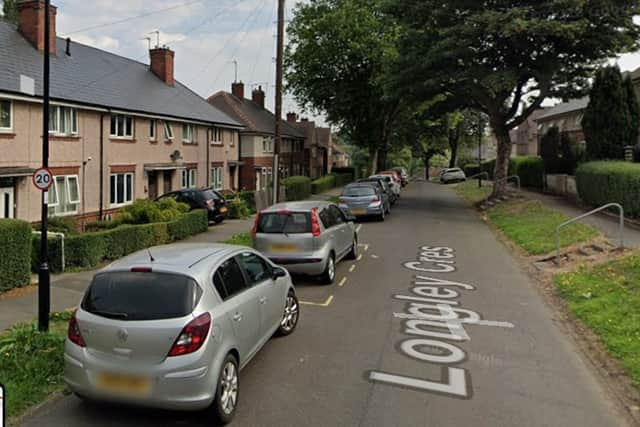

Retired steel worker Charles - then aged 64 - was struggling to cope as the sole carer for his severely intellectually-disabled son, whose mother had died of cancer three years prior.
Charles had become convinced that he too was suffering from cancer and had decided that the best thing to do was to end both of their lives by filling the front room of the Longley Crescent house with coal gas.
After recovering in hospital Charles confessed to killing his son and, pleading guilty in November at Leeds Assizes, was sentenced to death. Being over 70 years ago when courts were significantly different to those of today.
Despite testimony that Charles was an extremely caring and devoted father, he was essentially treated exactly the same as multiple murderer John Christie, who was executed the same year.
The judge in the case seemed to have had no other choice but to pass the death sentence as, under English Law at the time, that was the mandatory sentence for murder.
And because Charles had declined to put forward a diminished responsibility defence to the crime, he had essentially tied the knot around his own neck.
An appeal was lodged and, simultaneously, an appeal for clemency was made by the judge to the Home Office, which had the power to reduce the sentence to one of life imprisonment.
However, reports from the time appear to show Government officials were more concerned with setting the date of execution.
On November 27, 1953, the Sheffield Telegraph reported that Charles would be hanged at Durham Prison on December 15.
However Sheffield residents rallied and a petition with more than 4,000 signatures was sent to the Home Secretary, calling for mercy.
On December 2 Charles was reprieved and the council also said they would keep his home open to return from on his release.
Under normal circumstances anyone who had the death sentence commuted would serve at least 15 years in prison, meaning Charles would almost surely have died in jail.
However, within a year there were reports of his release and he returned to his home on Longley Crescent. Records also show that he remarried in 1957 and seemingly died in 1963, aged 74.
But had it not been for neighbours and local churchgoers who first launched the petition, Charles Hall could have easily been added to the list of the most appalling miscarriages of justice, alongside Ruth Ellis and Derek Bentley.