
20 deaths involving South Yorkshire Police, including 4 last year
Almost two dozen people died during or following contact with South Yorkshire Police in the past five years, new figures show.
It comes as a recent report from the Independent Office for Police Conduct found a significant number of deaths involving police in England and Wales relate to mental health, drugs, and alcohol.
According to the report, there were 186 deaths involving police across the two nations in the year to March – down slightly from 199 the year before.
Over the past five years there have been 20 deaths involving South Yorkshire Police, including four last year.
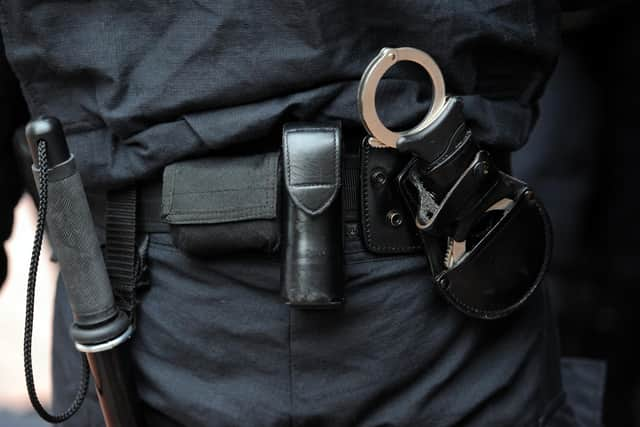

Of the deaths involving the police force in recent years, two were road traffic incidents. Another two were during or following police custody and eight were apparent suicides after custody.
The IOPC also investigated eight deaths which were due to a range of other possible circumstances after contact with the force.
The figures also showed the number of deaths during or after police custody nationally hit a record high, with 24 fatalities last year. The IOPC said 19 of the people who died during or after custody had "mental health concerns".
‘No one should be dying at the hands of police’
Deborah Coles, director of the charity Inquest, said: "No one should be dying at the hands of police. Yet every year, more people are dying in and following police custody."
She added: "The fact that the majority of these deaths relate to mental ill health and drugs and alcohol reiterates the urgent need for a community health and not a policing response.
"Ultimately to prevent further deaths and harm, we must look beyond policing and redirect resources into community, health, welfare and specialist drug and alcohol services."
Mental ill health a ‘consistent factor’
IOPC director general Rachel Watson said: "Past figures show mental ill health to be a consistent factor among those who die in or following custody, but it features even more starkly this year.
"Furthermore, in 48 of the 68 apparent suicides, and in just under half of the 60 other deaths we investigated, mental health was identified as a relevant factor."
While not all deaths where police have been in contact with someone will be preventable, she said it was "disappointing" to see increases this year among deaths in or following custody, road traffic fatalities and post-custody apparent suicides.
She added: "It is important that any learning from investigations is acted on and fed into improvements to help police officers better manage risk."
Ivan Balhatchet, National Police Chiefs' Council’s lead on custody and acting chief constable for Northamptonshire Polices, said police custody "plays a pivotal role in keeping the public safe and supporting the criminal justice process".
He added it is a challenging and high-risk environment in which staff "care for some of the most vulnerable and challenging people in society".
"We are acutely aware of the huge responsibility policing has to protect the physical and mental welfare of the people we come into contact with," he said.
"It is right that every death is independently scrutinised and fully investigated to ensure that any learning is taken forward and acted upon."
Chief Inspector Helen Lewis, from South Yorkshire Police’s Professional Standards team, said: “Whenever a person dies following contact with the police, we make a mandatory referral to the Independent Office of Police Conduct (IOPC) if appropriate and a local or independent investigation is undertaken.
“Through the referral process the IOPC shares an independent review, from which we can assess what lessons can be learnt to improve and shape our policing for the future.
“The number of deaths in police custody or following police contact has remained consistently low over the last five years, however, one death is still one too many.
“Our officers and staff across the force come to work every day with the primary aim of protecting our communities, and keeping people safe, and will continue to do so going forward.
“Our thoughts remain with the family and friends of those who have passed away and anyone affected by the deaths.”