
City centre HS2 link is '˜right solution' to save £1bn
Sir David Higgins says plans to run HS2 into Sheffield city centre are the '˜right solution' due to demand, costs, connectivity, the landscape and the environment.
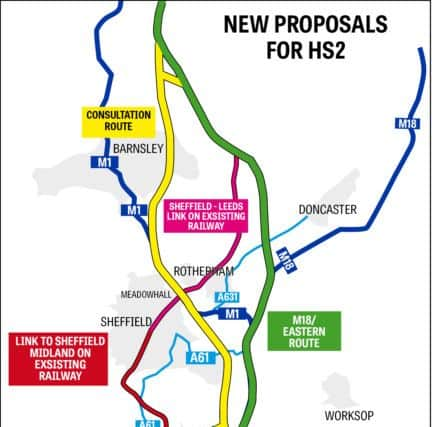
Plans to run high speed trains on existing tracks through Chesterfield, into the city centre and out through Rotherham will save HS2 Ltd at least £1 billion compared to Meadowhall.

The company was proposing to build a colossal two-mile, six-track viaduct with a ‘station in the air’ at the shopping centre.
Sir David said it was so large the viaduct would overhang a car park if it had gone ahead. He also said constructing it was a ‘daunting’ prospect due to the fractured underground rocks and mine workings.
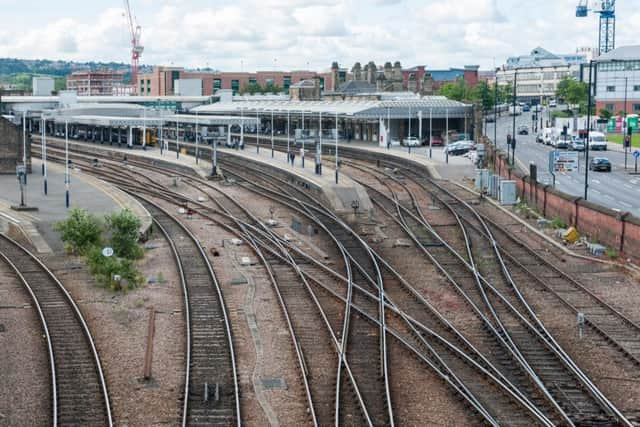
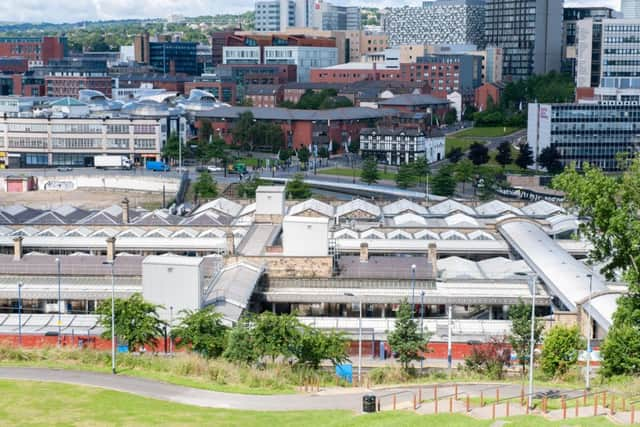
Under the new plans, there will be some upgrading work at Midland station to accommodate the 200-metre HS2 trains. They will come into the city from the south on the existing Midland Mainline which runs through Bradway tunnel, Dore and Heeley.
But there would be no need for new tunnels, vastly reducing the potential costs, Sir David said.
The track is already used by a wide range of local and national passenger trains and goods trains.
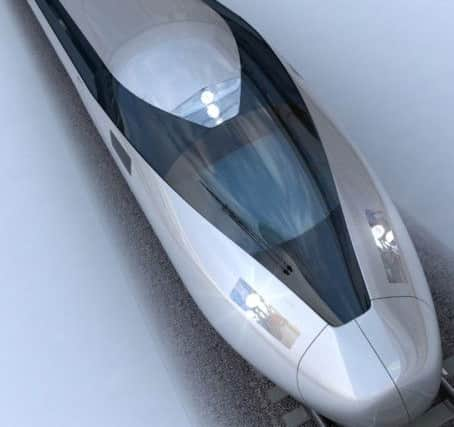
But Sir David insisted two HS2 trains an hour into the city centre could be squeezed in and would not result in a downgrade to any other service.
The new proposals also accommodate Transport for the North’s calls for a frequent shuttle service taking just half an hour to Leeds, called ‘HS3’.
HS2 trains will leave Sheffield on the Cross Country line to Pontefract before rejoining the main high speed HS2 line south of Grimethorpe.
In a report published today he is expected to say: “The decision as to where to locate the HS2 station South Yorkshire has proved one of the most difficult we have faced.
“That difficulty, in part, is due to topography. The hills on which Sheffield is built, the rivers, and the legacy of mine workings and heavy industry make building a reliable high speed line and station there complex and costly.
“On top of that are the different political and economic perspectives of the city and the region which have produced different and conflicting, views on where a station should be placed.
“Each of those perspectives are entirely valid from the viewpoint of those who hold them, but they have tended to be incompatible.”
In the end, he is expected to state, he had to make a decision without a consensus.

He adds: “I believe the time has now come to make a recommendation on which the Secretary of State can make a decision and to explain the thinking behind it to him, the local communities and their representatives.”