
Sheffield homes may become "uninsurable" as flood risk rises, says top Aviva boss
Homes being built today could become uninsurable in the future due to flooding, increased by climate change
Speaking to the BBC, Aviva boss Amanda Blanc said homes are being built today that could become uninsurable in the future due to flooding, which will be increased by climate change.
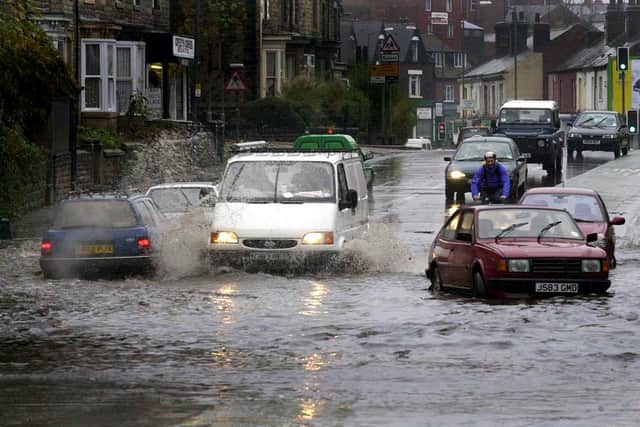

Dozens of homes built in Sheffield in 2024 are projected to face medium or high flood risk by 2050, according to analysis by insurer Aviva.
The figures are based on Aviva’s analysis of new-build addresses and Environment Agency flood-risk data.
| Area | % of of homes built in 2024 projected to face medium or high flood risk by 2050 | Homes built in 2024 projected to face some flood risk |
| Sheffield Brightside and Hillsborough | 38.24% | 73 |
| Sheffield Heeley | 11.76% | 2 |
| Sheffield Central | 21.84% | 80 |
| Sheffield South East | 18.58% | 34 |
| Sheffield Hallam | 1.49% | 3 |
| Rother Valley | 11.58% | 11 |
Aviva chief executive Ms Blanc has warned that homes built in areas vulnerable to flooding could become harder and more expensive to insure as the climate changes.
Nationally, Aviva says one in nine homes built between 2022 and 2024 were in areas of medium or high flood risk.
It estimates that almost a third of homes built in 2024 could face some form of flooding by 2050.
Sheffield already has flood-risk areas
That includes:
- 5,589 at high risk
- 6,236 at medium risk
- 24,527 at low risk
River and sea flooding affects around 6.36 per cent of properties.
Areas identified on Sheffield City Council’s flood-risk maps include parts of Attercliffe, the Wicker, Carbrook, Tinsley, Castlegate, Kelham Island, Neepsend, Hillsborough, Middlewood, Oughtibridge, plus Catcliffe and Treeton in Rotherham, and Eckington and Renishaw in Derbyshire.
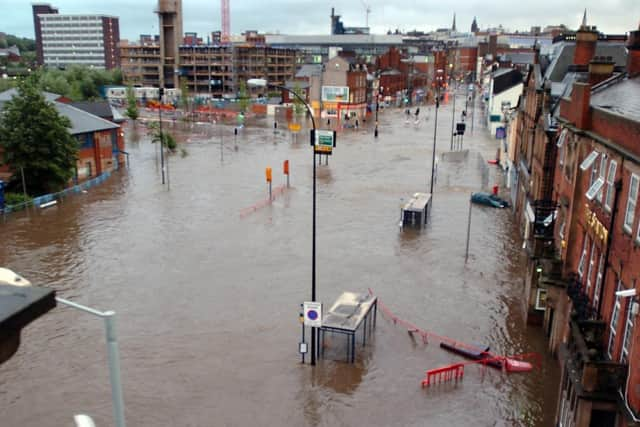
Will Shepherd, a post-doctoral research associate at the University of Sheffield’s School of Mechanical, Aerospace and Civil Engineering, said the risks associated with new developments were not a new concern.
He said: "It's far from a new concern that many new developments seem to be being built in areas where flood risk will increase in the future.
"Climate change is changing rainfall patterns that can increase flood risk. The increase in areas covered by buildings, roads and driveways also increases runoff volumes and increases the rate at which runoff occurs, thus increasing flood risk."
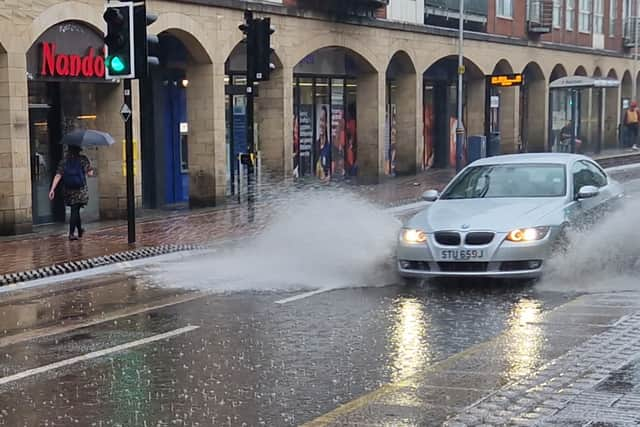
Could Sheffield become harder to insure?
Hannah Davidson, senior home insurance underwriter at Aviva, said insurers consider a range of factors when assessing flood risk, including flood models, existing defences and other features that could affect the risk to an individual property.
She said the ‘Flood Re’ scheme, introduced in 2016, had helped improve the affordability and availability of insurance for homes in high-risk areas. However, properties built after 2009 are excluded from the scheme, which was designed partly to discourage new homes from being built in areas at high risk of flooding.
Flood Re is a flood reinsurance scheme that helps insurance companies cover the cost of flood-related claims. It works by allowing insurers to pass some of the financial risk of flooding to Flood Re, making it easier for them to offer affordable home insurance to people living in areas at high risk of flooding.
Ms Davidson said: "When the Flood Re scheme was set up, it excluded properties built after 2009 to discourage new homes from being built in high-risk areas. However, as our analysis shows, many homes continue to be built in areas prone to flooding.
"Strengthening planning rules and building regulations is crucial, therefore, to protect house values and ensure homes are insurable in future."
She added: “Building new homes and locating them in lower risk areas are not mutually exclusive objectives.
"We believe the government needs to use its planning and building regulation levers to good effect to help prevent homes becoming uninsurable in future."
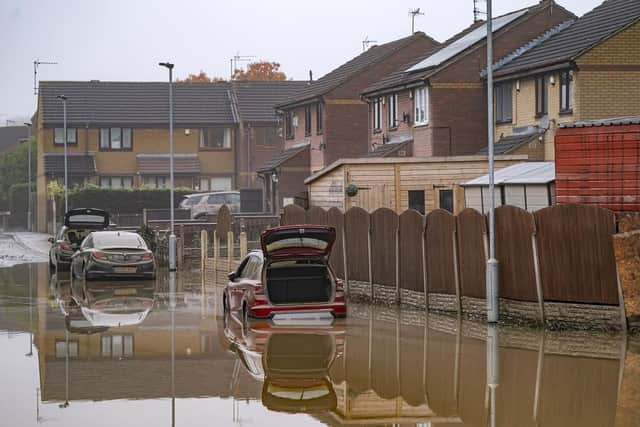
Flood Assist, which helps people find insurance for properties at risk of flooding, said insurers were becoming more cautious about covering flood-prone homes as flooding became more common.
The spokesperson said: "As flooding becomes increasingly more common, insurers are tightening their risk appetite for flood risk."
They added that Flood Assist had seen significant changes during its time operating and could no longer help some customers it had previously been able to support.
The spokesperson also warned that properties not eligible for Flood Re could become increasingly difficult or expensive to insure.
The Flood Assist spokesperson said: "Flood Re premiums have increased twice in the past 12 months."
The scheme is currently scheduled to end in 2039.
However, the spokesperson suggested it could continue in a different form, saying: "The reality being I don't think it will, but the scheme will probably exist in a different flavour."
The spokesperson warned that homes outside the scheme could face greater difficulties securing affordable cover as flood risk increases.
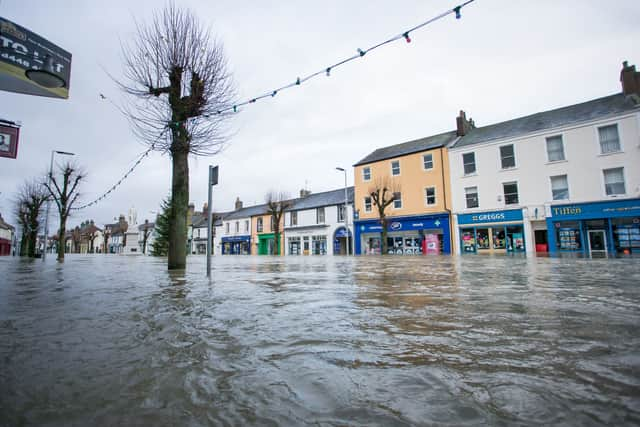
What should homebuyers do?
Aviva advised people buying homes in areas at risk of flooding to check the property's long-term flood risk through the Environment Agency and make sure their insurance policy covers flooding.
The company also recommended asking sellers or developers about flood-resilience measures, such as raised electrical sockets, non-return valves on toilets and self-closing airbricks.
Flood Assist advised buyers not to leave checking insurance until the final stages of a property purchase.
Its spokesperson said buyers should not assume a property would be insurable simply because planning permission had been granted, particularly when considering a new-build home.
The spokesperson also urged buyers to read policy documents carefully to check that flood damage was covered.
Aviva said the financial impact of extreme weather was continuing to rise. Citing Association of British Insurers figures, it said the average cost of claims relating to flooding, storms and burst pipes reached £8,548 in the second quarter of 2026, up 12 per cent on the same period in 2025.
Sheffield is already investing in flood defences.
This month, a scheme to prevent flooding along two of Sheffield's rivers and safeguard hundreds of properties and commercial premises was awarded £4m in funding.
A report to the committee stated: "There is currently a significant risk of flooding to areas of the city which this project aims to address.
"The impact of climate change means that this risk is likely to increase year on year."
The warnings raise questions about whether new homes will remain affordable to insure as flood risk increases, and whether current planning safeguards are sufficient to protect residents by 2050.