
Everything Sheffield tenants need to know as new renters’ rights coming into force
This is everything you need to know if you are a renter in England after renters rights changed
Major changes to renting have come into force today (May 1, 2026), marking one of the biggest overhauls of the private housing system in decades.
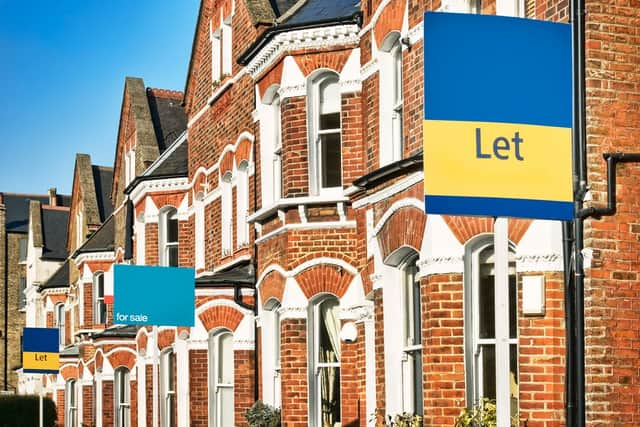

The new Renters’ Rights Act introduces sweeping reforms that will affect millions of tenants across England - changing how evictions, rent increases and tenancy agreements work.
No more fixed term contracts
Anyone who has ever felt stuck living with an ex or a difficult housemate could now find it much easier to leave.
Fixed-term contracts - which previously locked renters into agreements for six or 12 months - have been scrapped.
Now, all tenancies are rolling, meaning they continue month-to-month rather than tying tenants long-term.
It means renters are no longer forced to stay in situations like living with a partner after a breakup, being stuck in a tense house share, or remaining in a property they can’t afford - simply because their contract hasn't ended.
Instead, tenants can now leave at any point by giving two months’ notice in writing.

End of “no-fault” evictions
Another huge change is the abolition of Section 21 evictions, often called “no-fault” evictions.
Landlords can no longer evict tenants without giving a reason. Until now, this was done using a Section 21 notice.
This means a landlord will not be able to sell or move into a property in the first 12 months after a tenancy begins.
After this, they will need to give four months' notice.
To remove a tenant a landlord must now use a Section 8 notice, which means they must give a valid legal reason for eviction.
Common reasons include rent arrears, antisocial behaviour, or damage to the property.
If a tenant does not leave, the landlord must apply to court. A judge will then decide whether the eviction is justified.
In simple terms, tenants can no longer be asked to leave without explanation - and landlords must be able to back up their case.

Rent increases are limited
There are now tighter controls on rent rises.
Landlords can only increase the rent once a year - and must give two months’ notice if doing so.
This increase must also reflect market rates, meaning the price remains similar to other properties of the same size, and amenities, in the area.

New rights to request a pet
Landlords are no longer able to rely on blanket “no pets” policies in the same way.
While listings may still state preferences, landlords cannot automatically refuse a tenant simply for having a pet without considering the request properly.
If a landlord does refuse, they must give a valid reason in writing: like lease restrictions, property size, or suitability.
Tenants can also challenge refusals, including through the courts, if necessary.

What it means for students
In a city like Sheffield, where large numbers of people rent as students, the changes are likely to have a significant impact on how the housing market works.
Under the new system, student tenants renting privately will no longer be tied into fixed-term contracts and will also transfer to rolling tenancies.
However, there is an important exception designed to keep the traditional student rental cycle in place.
Landlords of larger shared student houses (typically HMOs) can still take back possession of a property at the end of the academic year using a specific legal ground.
To do this, they must give at least four months’ notice, and time it so the tenancy ends between 1 June and 30 September.
This is intended to allow landlords to prepare properties for new groups of students each academic year.
In practice, this means many students will still be expected to move out over the summer - but with more notice and clearer legal protection than before.
The situation is different for smaller properties, such as one- or two-bed flats.
In these cases, landlords cannot rely on the same student-specific rule. This means tenants in these homes may be able to stay beyond the academic year unless they choose to leave.