
Map shows Japanese knotweed hotspots in Sheffield - and how to spot early signs

There have been more sightings of Japanese Knotweed in Sheffield than any other area of Yorkshire
When it comes to buying a property, potential new homeowners are almost always advised to check for Japanese Knotweed.
Introduced in the 19th century as an ornamental garden plant, Japanese Knotweed is a highly invasive, fast-growing perennial weed native to East Asia, which is a huge problem due to its aggressive underground root system and its ability to grow through asphalt, concrete, mortar, and drainage pipes.
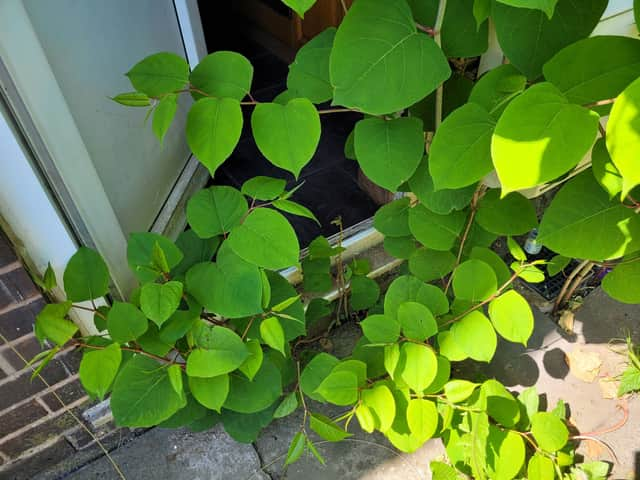

While not illegal, Japanese Knotweed is notoriously difficult to eradicate and is often hugely detrimental to the value of a property.
Here in Yorkshire, there are hundreds of cases of Japanese Knotweed, and alarmingly, according to new data from Environet, Sheffield is Yorkshire’s hotspot with as many as 701 verified sightings.
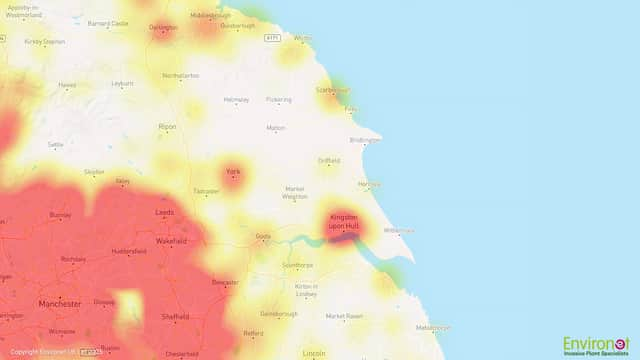
Exposed: The Japanese Knotweed Heatmap, highlights which areas your are most likely to encounter the invasive plant, while the experts at Environet have also identified how you can detect the early signs of it in your property and deal with it before it becomes a problem.
Environet Director Emily Grant said: “Japanese knotweed is now firmly established right across the country, which means homeowners everywhere should know what to look for.
“My advice to anyone living or buying a home in a Japanese knotweed hotspot is to check your garden regularly during the growing season. At this time of year, an established knotweed plant can be identified quite easily by its hard bamboo-like canes and distinctive bright green shield-shaped leaves which grow in a zig-zag pattern along the stem.
“The earlier it’s spotted, the easier and cheaper it is to deal with. Acting quickly with professional advice will prevent it spreading further and help protect both your property and its value.”
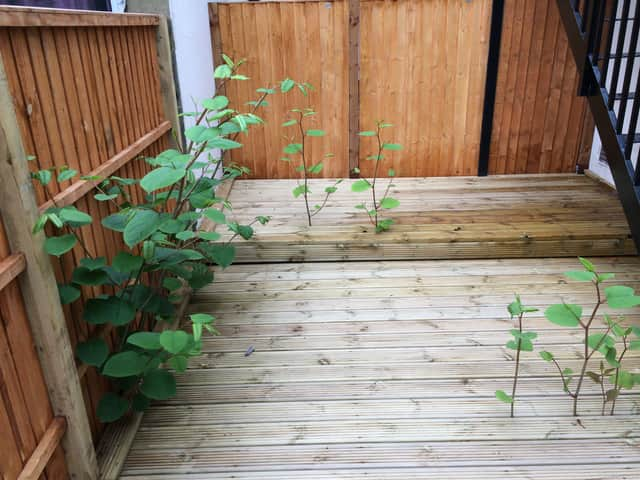
Anyone who suspects they may have knotweed on or near their property can email a photo to Environet at [email protected] for free identification. If confirmed, a survey will determine the extent of the infestation, the risk of damage or encroachment and the most effective way to treat it.
Here’s a full list of the sightings of Japanese Knightweed in South Yorkshire
- Sheffield — 701 verified sightings
- Rotherham — 670 verified sightings
- Leeds — 311 verified sightings
- Wakefield — 223 verified sightings
- Bradford — 212 verified sightings
- Barnsley — 158 verified sightings
- Doncaster — 124 verified sightings
- Hull — 116 verified sightings
- Todmorden — 104 verified sightings
- Hebden Bridge — 95 verified sightings