
How to strengthen your Sheffield lawn this time of year
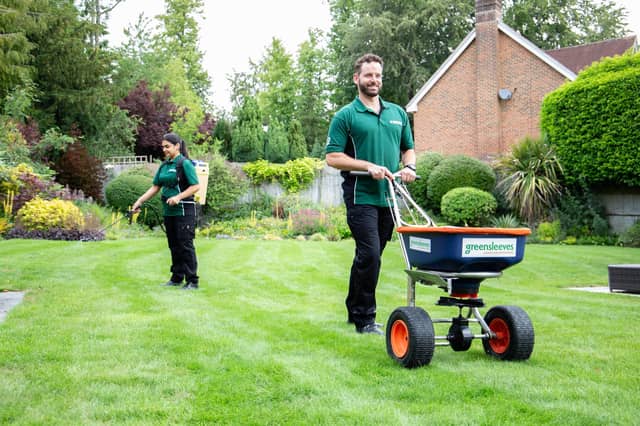

It might not look like much is happening in Sheffield gardens just yet, but this time of year is a crucial period for your lawn.
Beneath the impact of frosts, persistent rain and plenty of muddy footfall, grass is beginning to stir. The steps you take now can make the difference between a lawn that struggles through spring and one that thrives throughout the year.
Here, Joe Bailey, owner of Greensleeves Lawn Care South Sheffield & Chesterfield, explains which simple jobs are worth tackling at this time of year to help your lawn wake up gently, recover from winter and build strength for the months ahead.
Start by clearing and assessing
Winter can leave lawns looking tired and cluttered, with fallen leaves, twigs and moss blocking light and airflow. Clearing the surface is one of the simplest yet most effective first steps you can take. It allows sunlight and air to reach the grass and gives you a clearer view of how your lawn has coped over winter.
This is also a good moment to look out for waterlogged patches or areas that feel compacted underfoot, which can signal drainage issues that need addressing as spring approaches.
Did you know? Even a thin layer of leaves can reduce the amount of light reaching grass by more than half, slowing spring growth before it’s even begun.
Feed gently to support healthy growth
As soil temperatures slowly rise, grass begins to use more energy. Feeding your lawn at this stage helps replace nutrients lost over winter and supports steady, balanced growth rather than sudden surges that can weaken young grass.
A spring lawn feed encourages stronger root development, which improves resilience and helps lawns cope better with dry spells and regular use later in the year. Starting early also means healthier colour and thickness as the growing season gets underway.
Tackle moss and thatch before spring takes hold
Moss thrives during winter, thanks to damp conditions and low light levels, and if left untreated, it can quickly dominate a lawn. February is an ideal time to start reducing moss and thinning out thatch – the layer of dead material that builds up between grass and soil.
Removing these barriers allows water, air and nutrients to reach the roots more easily, giving grass the space it needs to grow strongly as temperatures increase.
Did you know? Moss holds moisture at the surface of the lawn, which can increase the risk of disease and make grass more vulnerable as spring arrives.
Scarification
Scarification is one of the most effective ways to refresh a lawn after winter. By removing moss and excess thatch using a spring-tine rake or electric scarifier, it improves airflow and encourages new shoots to grow more freely.
Although lawns can look a little sparse immediately afterwards, this process creates the right conditions for thicker, healthier growth. As spring progresses, grass fills in more evenly and responds better to feeding and mowing.
Aeration for healthier roots
Winter rain and foot traffic can leave soil compacted, particularly in high-use areas. Aeration helps relieve this by creating small openings in the soil, allowing air, water and nutrients to penetrate deeper.
This encourages roots to grow stronger and deeper, improving drainage and helping lawns become more resilient to both wet and dry conditions later in the year.
Did you know? Compacted soil can significantly restrict root growth, limiting how well grass absorbs nutrients and moisture.
Ease into mowing
While mowing has continued through the winter months, it is still important to approach early-season mowing with care. As grass begins to grow more actively, keep mower blades set high and avoid removing too much growth in a single cut.
Early-season cuts should remain light and gentle, helping to maintain a tidy appearance without placing unnecessary stress on grass as it transitions out of winter.
For further information about Greensleeves and how they can help you with your lawn care, visit www.greensleeves-uk.com/location/south-sheffield-chesterfield