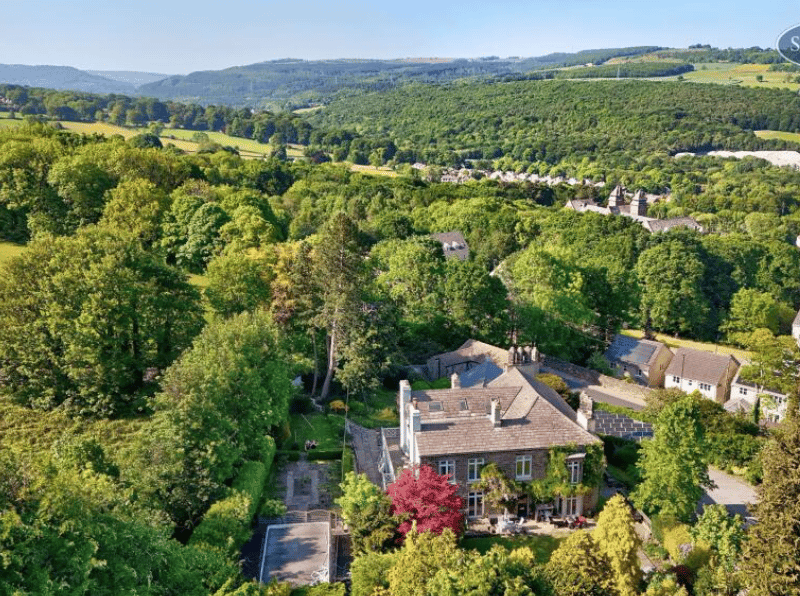
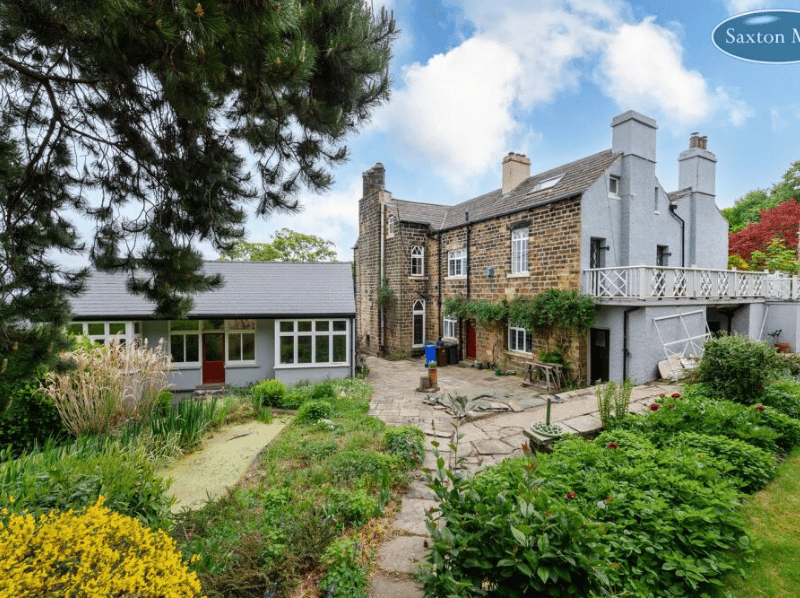
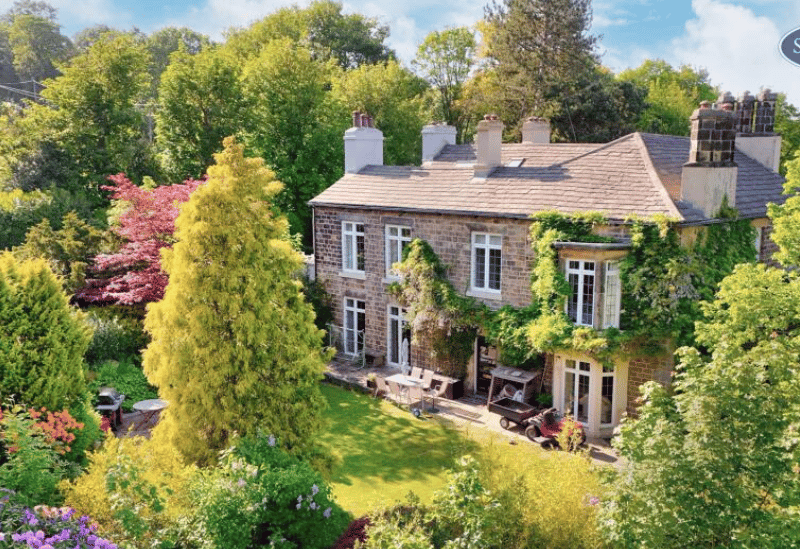
Wadsley Grove, a stone-built home dating back to the mid-18th century, sits within approximately two acres of landscaped grounds, including lawns, flowerbeds and sections of natural woodland.
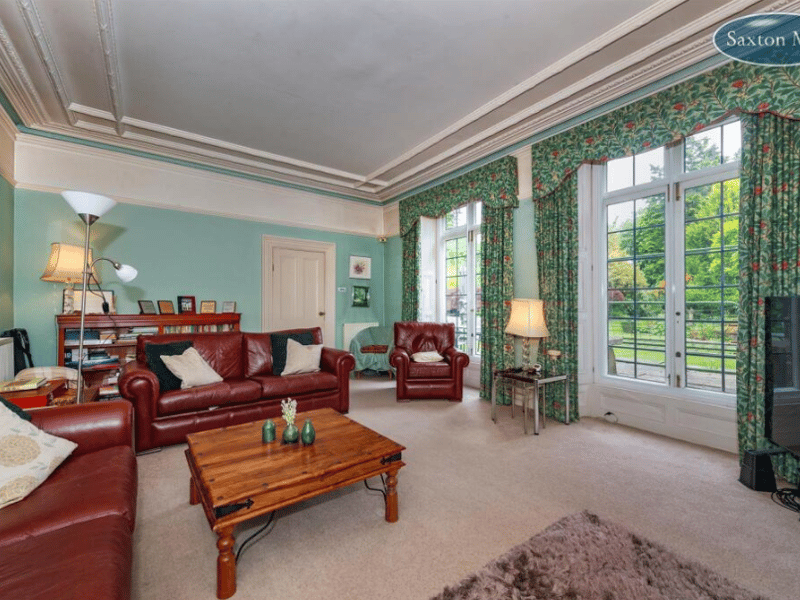
The six-bedroom, two-bathroom property combines period character with flexible living space.
The property’s story begins in the mid-18th century when it was built as a modest stone cottage called Olday.
In 1862, Rev. John Livesey, vicar of St Philip’s Church, became the tenant.
Known as a genial man, he made headlines when he was charged with selling bodies to the Infirmary for dissection - a scandal that led to public riots, including the burning of the sexton’s house.
Queen Victoria soon pardoned him, and life at Wadsley Grove returned to its quiet rhythm.
Later in the 19th century, Wadsley Grove was sold to John Marples, a wine merchant who also ran a hotel that was bombed in the Sheffield Blitz.
It was Ann Eliza Longdon, Sheffield’s first female Lord Mayor in 1936, who added the property’s ballroom, intended for entertaining guests, giving Wadsley Grove one of its most unique features.
Today, Wadsley Grove retains all the character of its past while offering modern potential.
The ballroom, which could be used as a separate annexe or office hints at the grandeur of past entertaining, while the main house spans three floors with six bedrooms, two bathrooms, extensive cellars and multiple reception rooms.
The grounds are equally impressive, creating tranquil views and a private haven just minutes from Sheffield city centre.
Electric gates open onto a sweeping driveway, leading to a double garage and the main house.
The property adjoins open countryside and Hillsborough Golf Club and is in the catchment for Bradfield Secondary School.